Even the best things come to an end

And just like that, the summer draws to a close… I cannot believe how fast time flew! I’m back in the States, and I already miss Moscow!

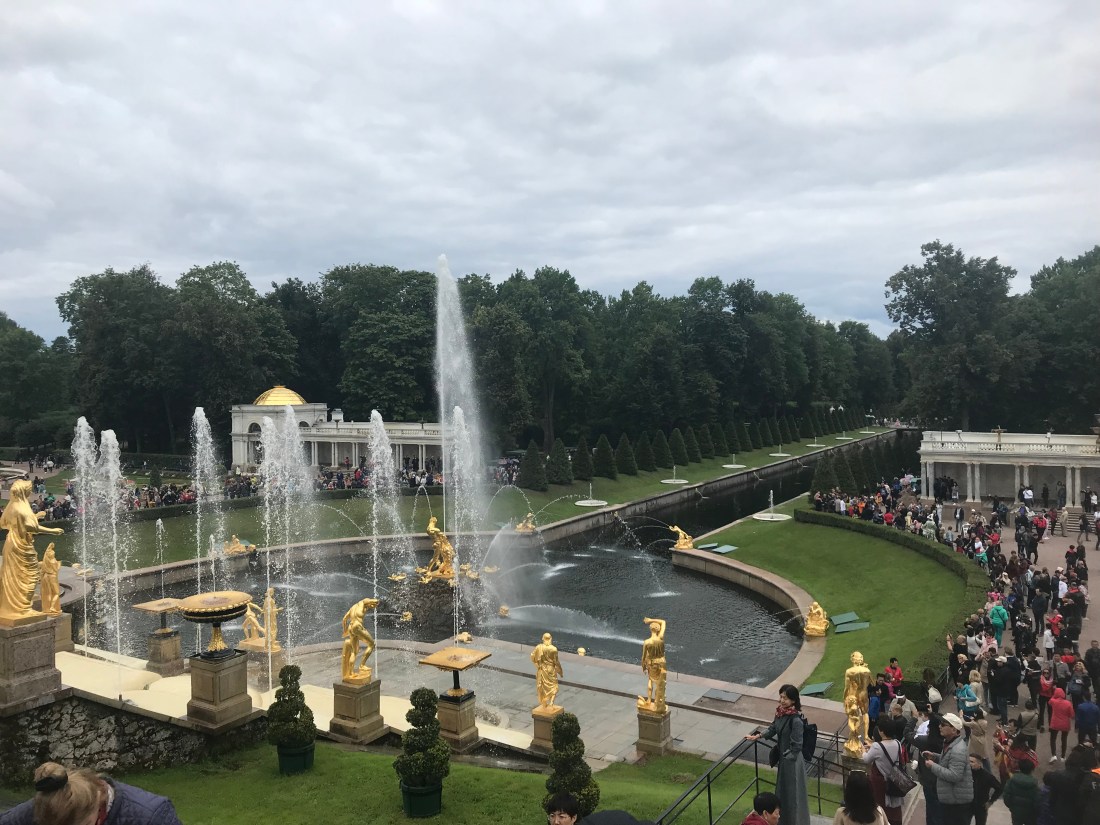
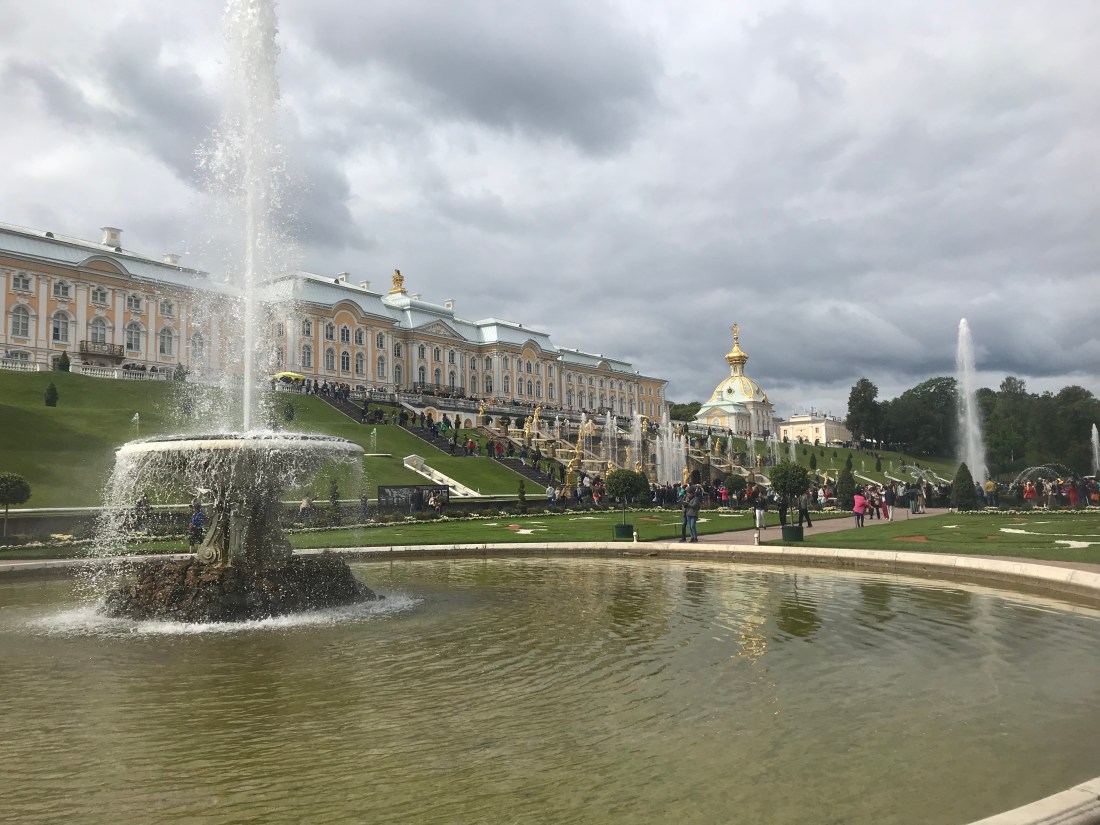
The week in Saint Petersburg ended great. We spent Sunday in Peterhof, a beautiful palace inland (and south) of Saint Petersburg, famous for its gorgeous gardens and fountains. In fact, we didn’t even go in the palace, and spent the whole day admiring the beautiful grounds. In the evening, I went to the Faberge museum, and admired the traditional Russian art there (Imperial Faberge eggs, silver, enamel, etc.)

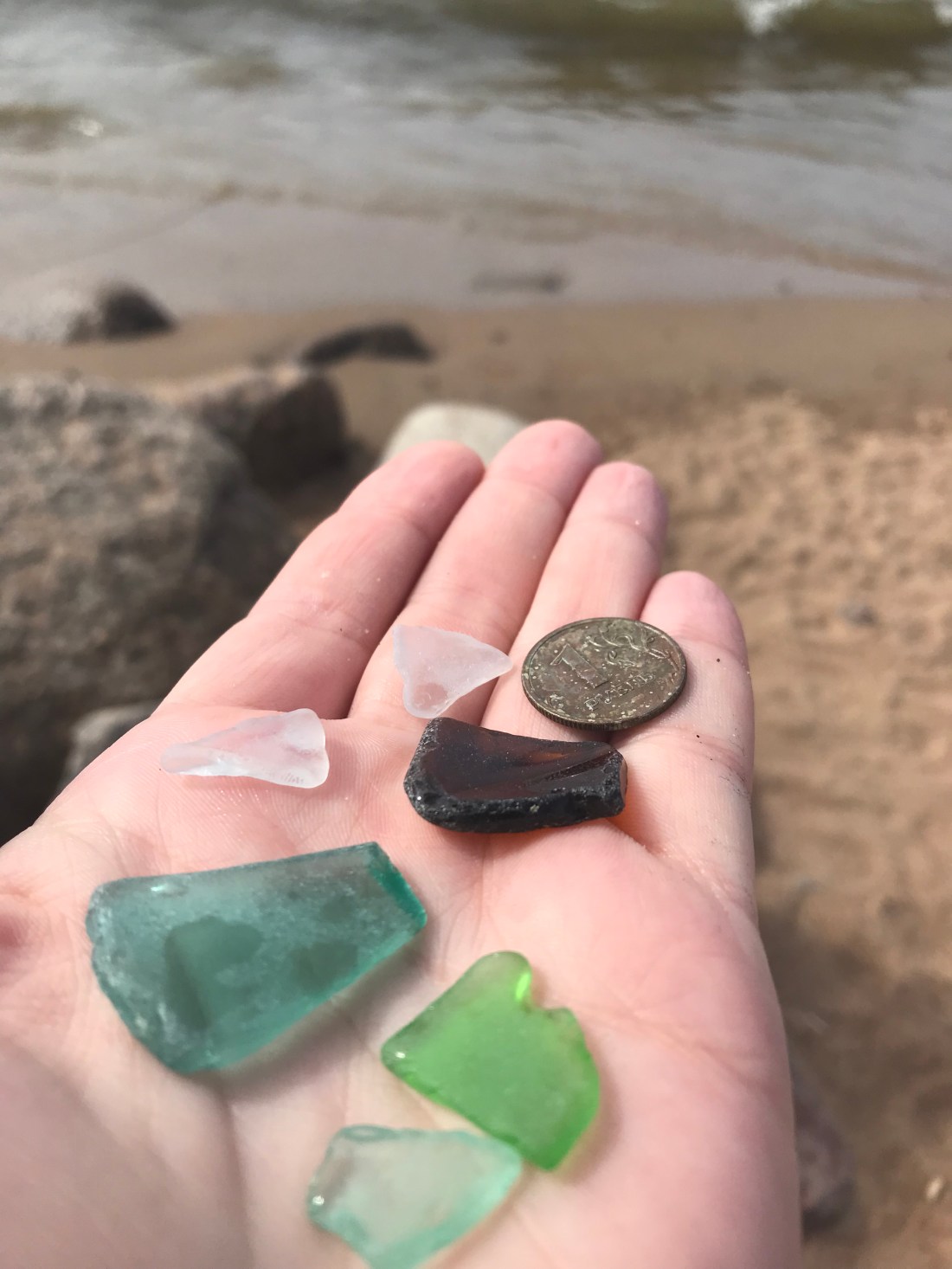
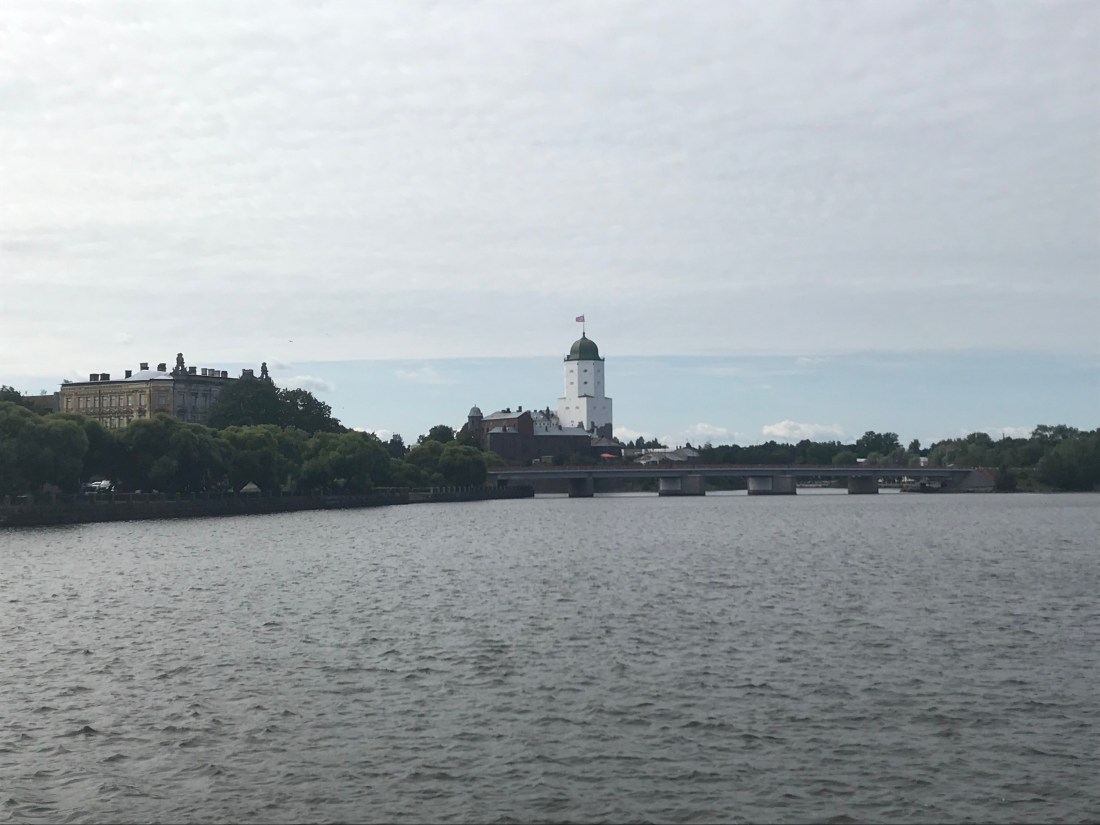
The next day, we travelled to Vyborg, a small town about 40 km away from the border of Finland. This town is known for changing hands between Finland, Sweden, and the Soviet Union/Russia many times throughout history, and played a role in the Winter War between Russia and Finland. I loved seeing the nature on the drive up, and even stopping by the Gulf of Finland. Vyborg itself was beautiful and quaint, with an eclectic mix of architecture. I especially enjoyed visiting the museum of the Winter War. I learned a lot, and they had a fantastic exhibit on women’s role in WWII (the Great Patriotic War).

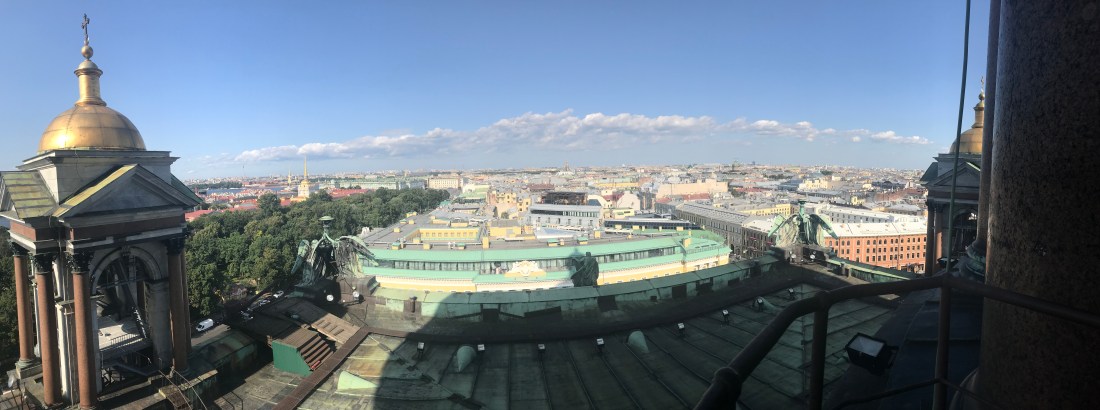
For my last day in Piter, I visited the apartment museum of Anna Akhmatova, a famous Russian poet. Then, I climbed to the top of Saint Isaac’s Cathedral to take in the beautiful view of the city! We met that night and took an overnight train back to Moscow.

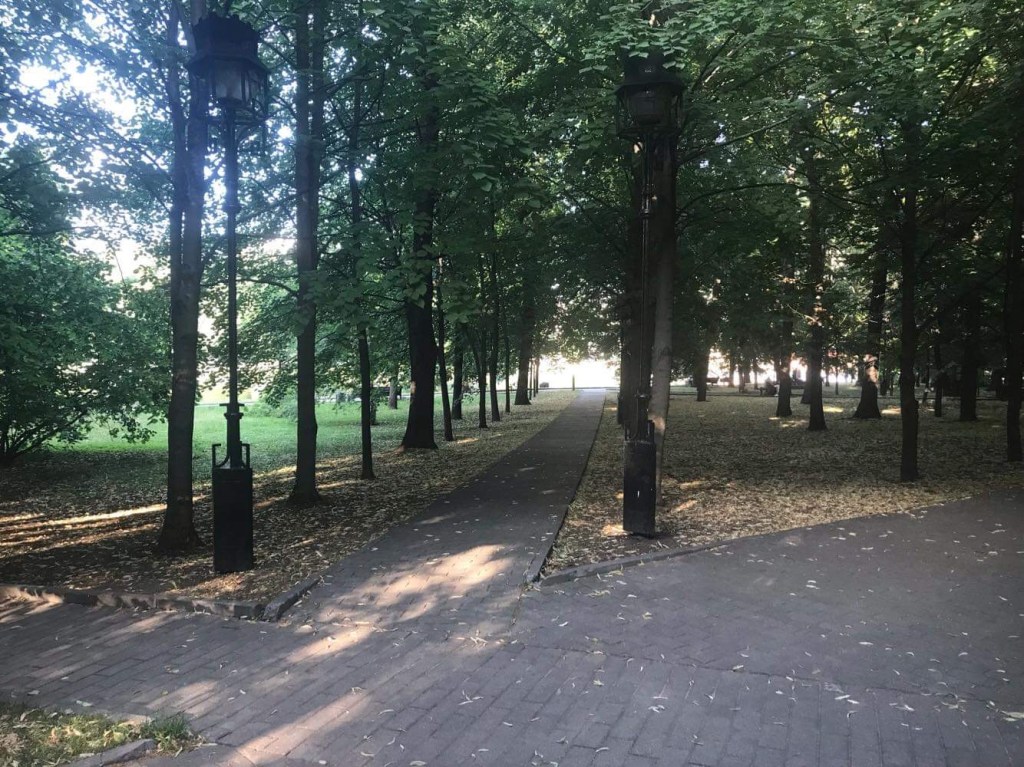
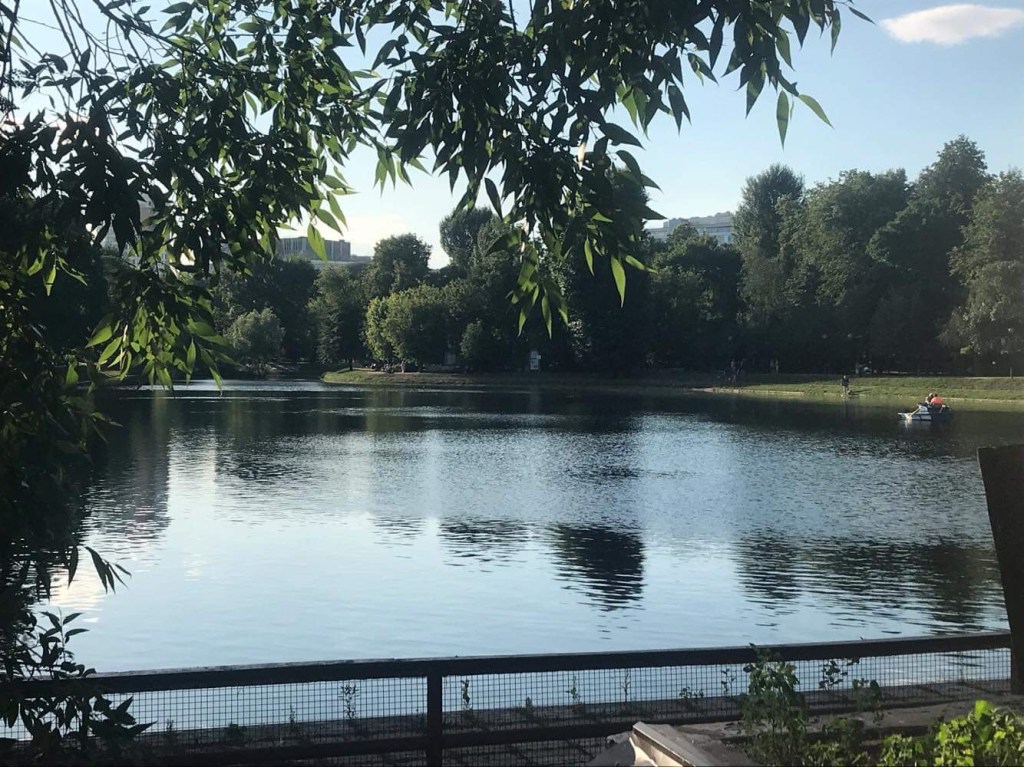
Overall, I really enjoyed being a tourist in Piter, but I don’t think I could live there for a very long time! It was absolutely beautiful, but a bit too crowded. I definitely missed Moscow! On my last day in Moscow, I walked around my two favorite parks: Patriarch’s Pond and Gorky Park. It was a very calm and relaxing way to say goodbye to Moscow!

I’m definitely going to miss living and studying in Moscow. I have learned so much this summer about Russian language and culture, and really feel like I’ve become more comfortable and adept in speaking and understanding the Russian language. The highlights of the summer were definitely living with a host family and volunteering at the Museum of Cosmonautics. I think they were the most culturally and linguistically helpful, and very unique and special experiences. My goal this summer was to improve my conversational Russian and comprehension, and I think I’ve definitely reached that goal! I also really feel like I was able to expand my technical aerospace vocabulary, and learn about the past and present Russian space program. It will be great to have this knowledge to draw from later in my career!

The challenge now is to maintain my language gain. I have several strategies to help with this. First, I have pages upon pages of vocabulary words to convert into flash cards over the next few days. I’ll review these for a few minutes each day to keep my vocabulary sharp. I’ll also try to watch cartoons in Russian, and of course keep attending conversation groups at school.

Thank you all so much for following along my adventures this summer. I hope you’ve learned a bit about Russian language and culture, and glimpsed at least a sliver of Russian life! Russian language and culture is rich, beautiful, and rewarding to study. I’m so thankful for this trip, and the opportunity to share it with you through this blog!

Since one of my main motivations in studying Russian is my dream of becoming an astronaut, I’ll close with a beautiful quote from Tsiolkovskiy I found at the Cosmonautics museum in Piter:

“Земля есть колыбель разума, но нельзя вечно жить в колыбели.”

– Циолковский

“Earth is the cradle of wisdom, but one cannot live in their cradle forever.”

– Tsiolkovskiy

This trip has taken me far from the cradle, both figuratively and literally, and I’m excited to see where my studies take me next!

Za posledniy raz, (for the final time),

Piper
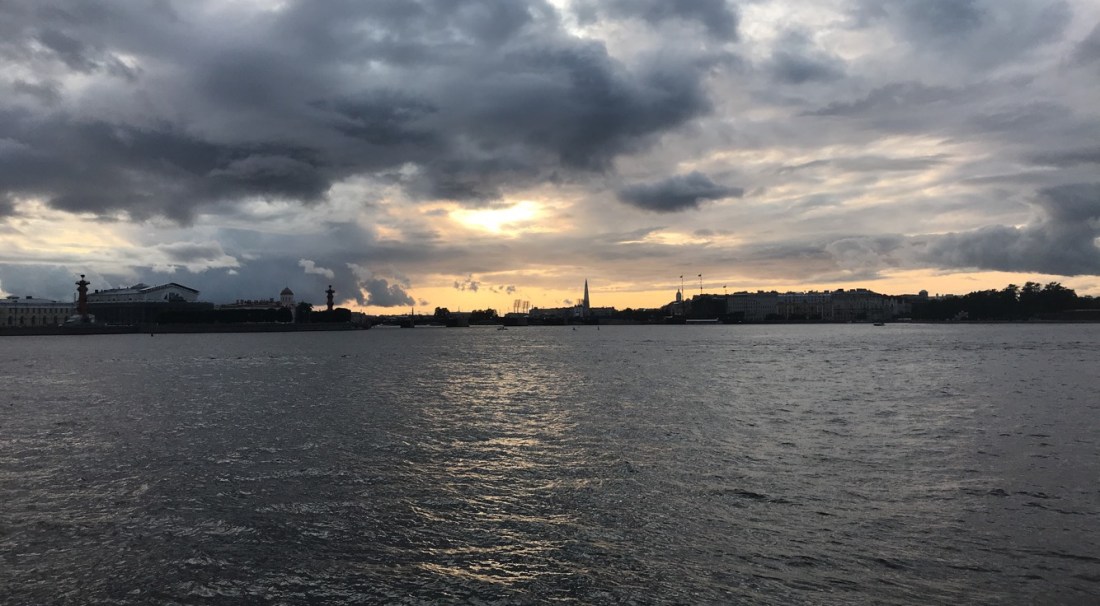
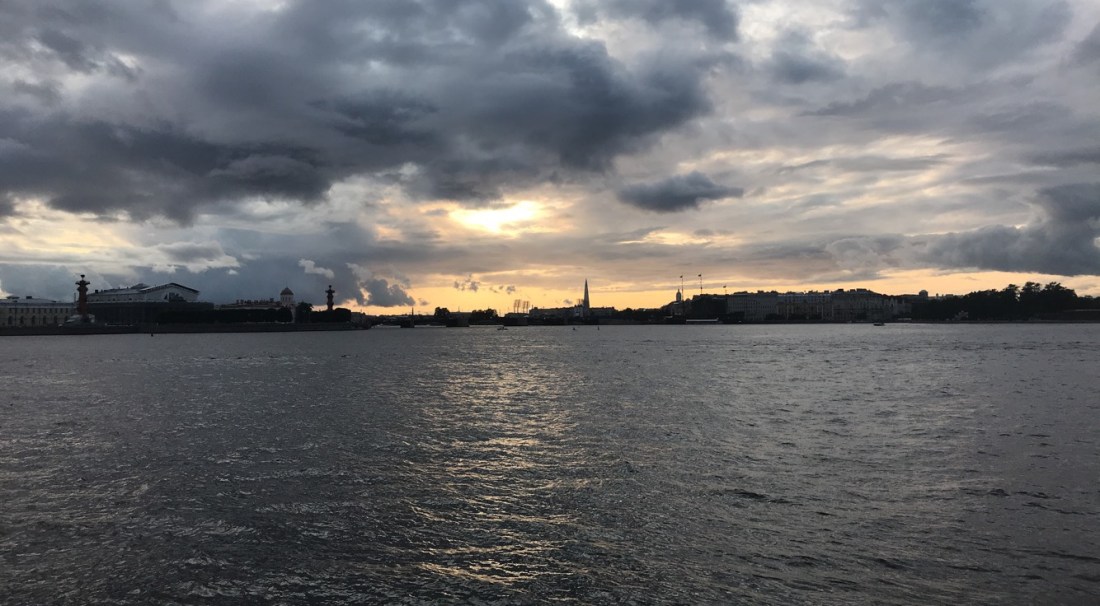
A beautiful sunset in Saint Petersburg!
The fountains at Peterhof
Looking back at the Peterhof palace from the fountains
Seaglass at the Gulf of Finland
The old Swedish fort at Vyborg
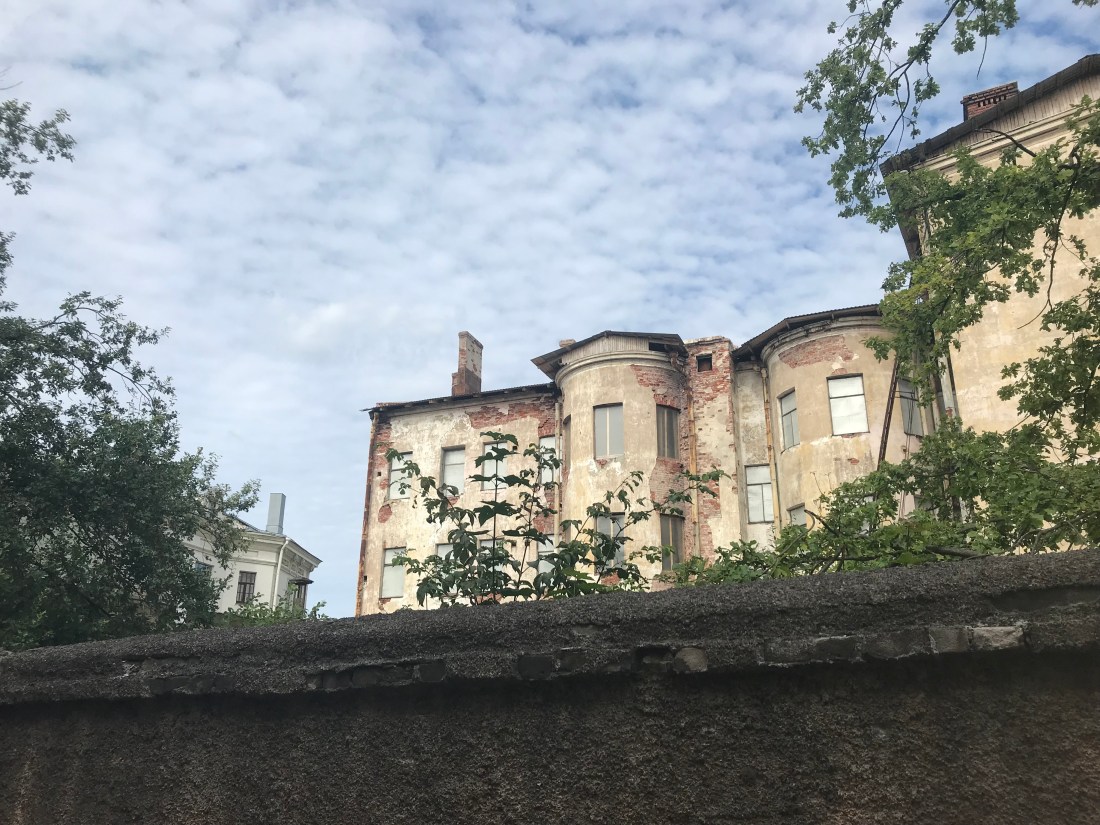
Old but beautiful architecture in Vyborg
The view of Piter from Saint Isaac’s Cathedral.
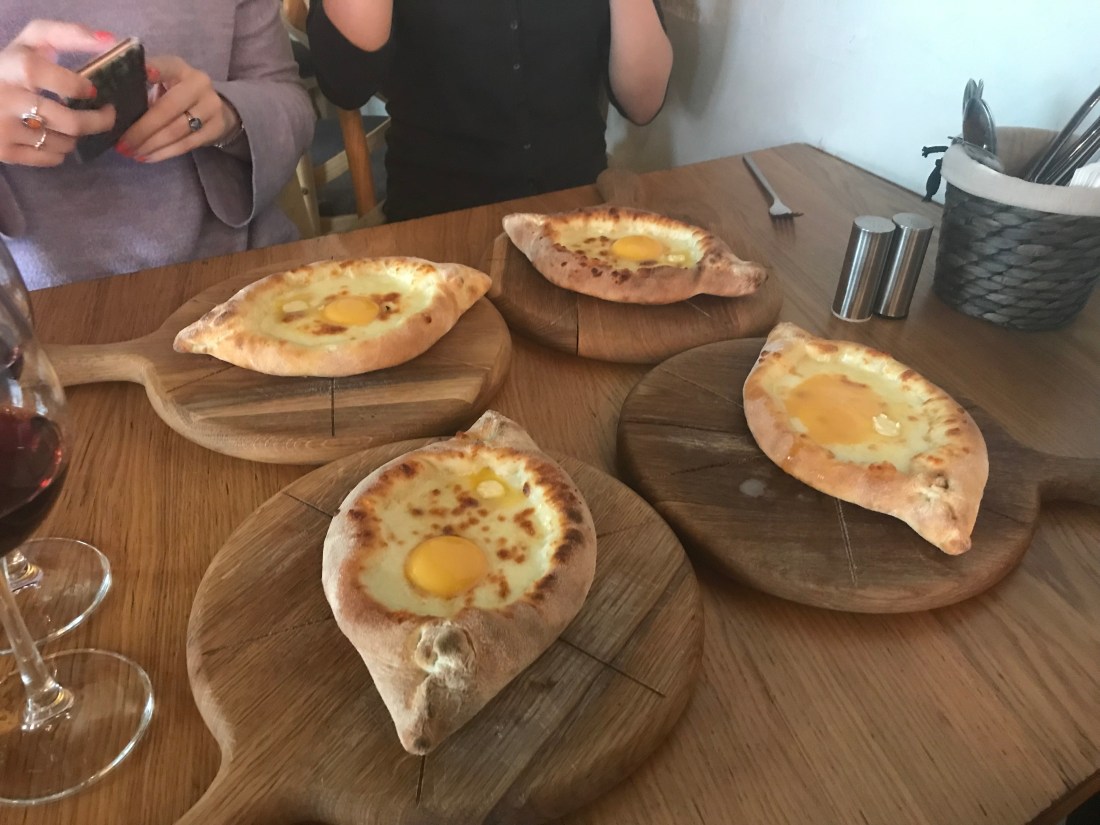
Hachipuri (Georgian dish with bread, cheese, and egg) in Piter!

Bittersweet Travels

And just like that- classes are over! Our professors seemed very happy with my group’s progress. I was particularly proud of my group’s performance on our Speech Development final exam: for the exam, we had an hour and a half long conversation in front of the professor, about the effect of participation awards on children’s mentality. We then had a small goodbye-party with our profs on Tuesday afternoon after class, and enjoyed kvass and pizza with the teachers. Per my tradition, I gave my teachers some simple hand-crocheted birds as a parting gift, and they all really appreciated the hand-made gesture!

On Wednesday, I went to the Museum of Cosmonautics for the last time. I helped transcribe an article about the first chess match in space, wrote up some questions for a Q&A with astronaut Kate Rubins, and enjoyed some tea and snacks with my coworkers. Normally someone brings a small snack each day- fruit, chocolate, cookies- so I brought in some goodies to share. I also brought a small thank-you gift, including a hand-drawn card, and I was so flattered that my coworkers posted about it on the museum’s Facebook page! I’m definitely going to miss that museum and my coworkers. Volunteering there was one of my favorite parts of the summer!

Afterwards, I walked through Gorky Park one last time, enjoying the beautiful greenery, ponds, and Russian conversation all around. Then, our group met at the train station, and we hopped on an overnight train to Saint Petersburg! We were in coupes (cabins) of four, and it was very cozy. I had no problems sleeping at all, and found the rocking of the train and the noises really relaxing.

We got into Petersburg (Piter) at about 6am, and immediately hopped on a tour bus to drive around the city. It was really tough to focus, since we were all really tired, but it was a good way to see the city. After checking into our dorm, we had free time to explore. I walked around with some folks who had spent time in Piter before, and they showed me all their favorite spots- the summer garden, cute coffee shops, little stores, etc.

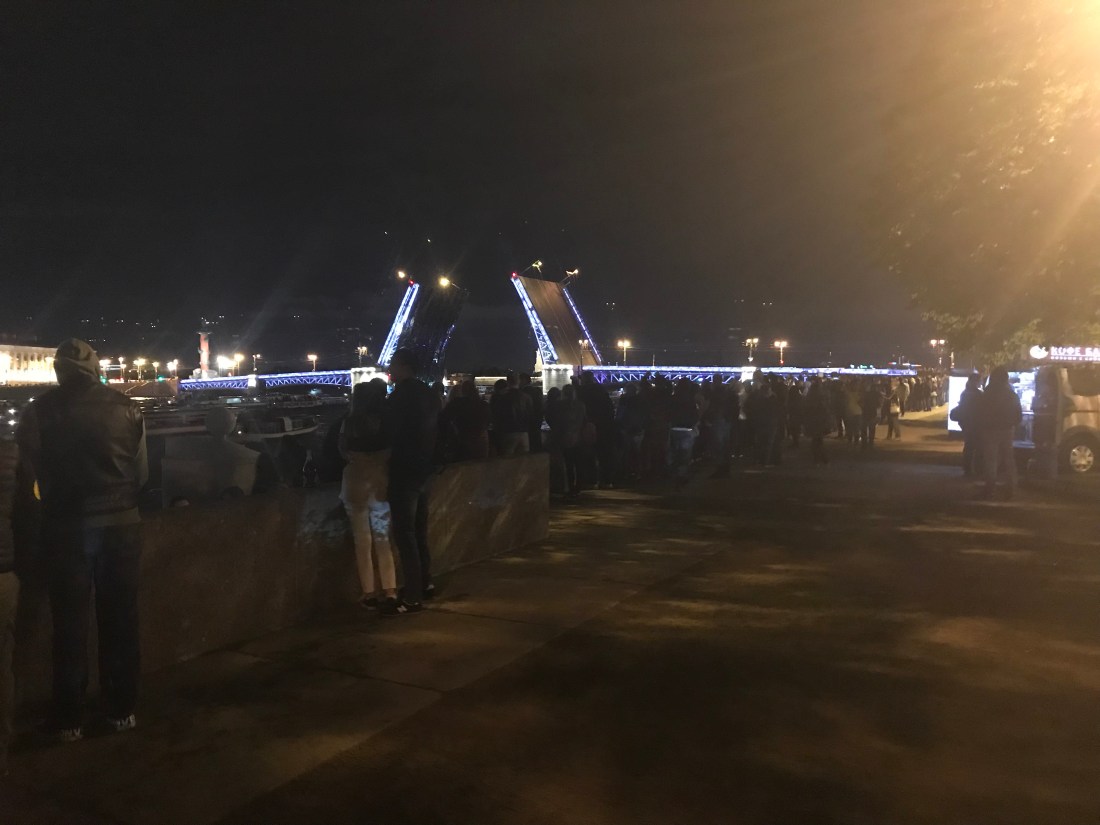
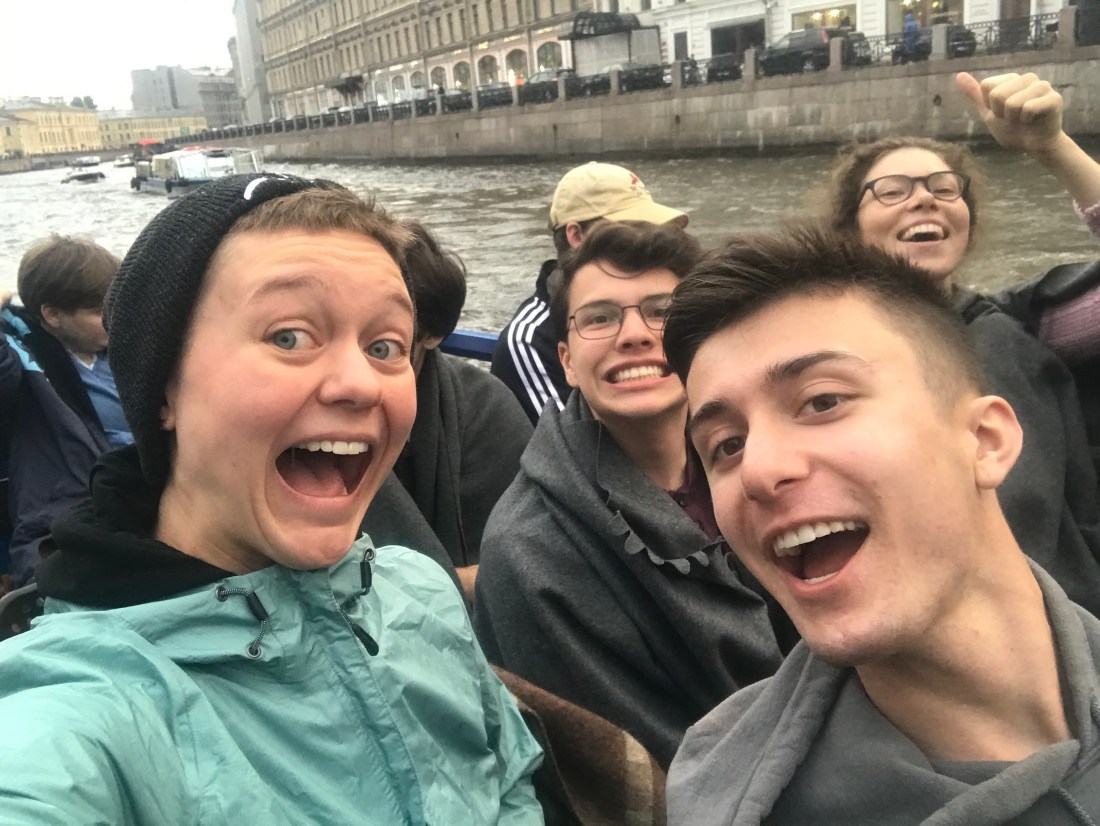
The next day, we went to the Peter and Paul Fortress, and the nearby Cosmonautics museum. The museum was pretty cool, but I must admit that I prefer the museum in Moscow! Later, we visited the Hermitage – the winter palace of the Tsar’s family, now converted into a huge art gallery. It was absolutely gorgeous, and the luxury of the palace was astonishing. We even managed to go on a day when it wasn’t too terribly crowded with tourists. In the evening, we went on a boat tour of the canals. It rained the whole time, so we were a bit cold and damp afterwards, but I loved seeing the city from the water. Later that night, I stayed up and watched the raising of the Palace Bridge. Piter is famous for its hundreds of bridges, and the ones crossing the Neva River are all draw bridges that raise sometime between 1 and 5am.

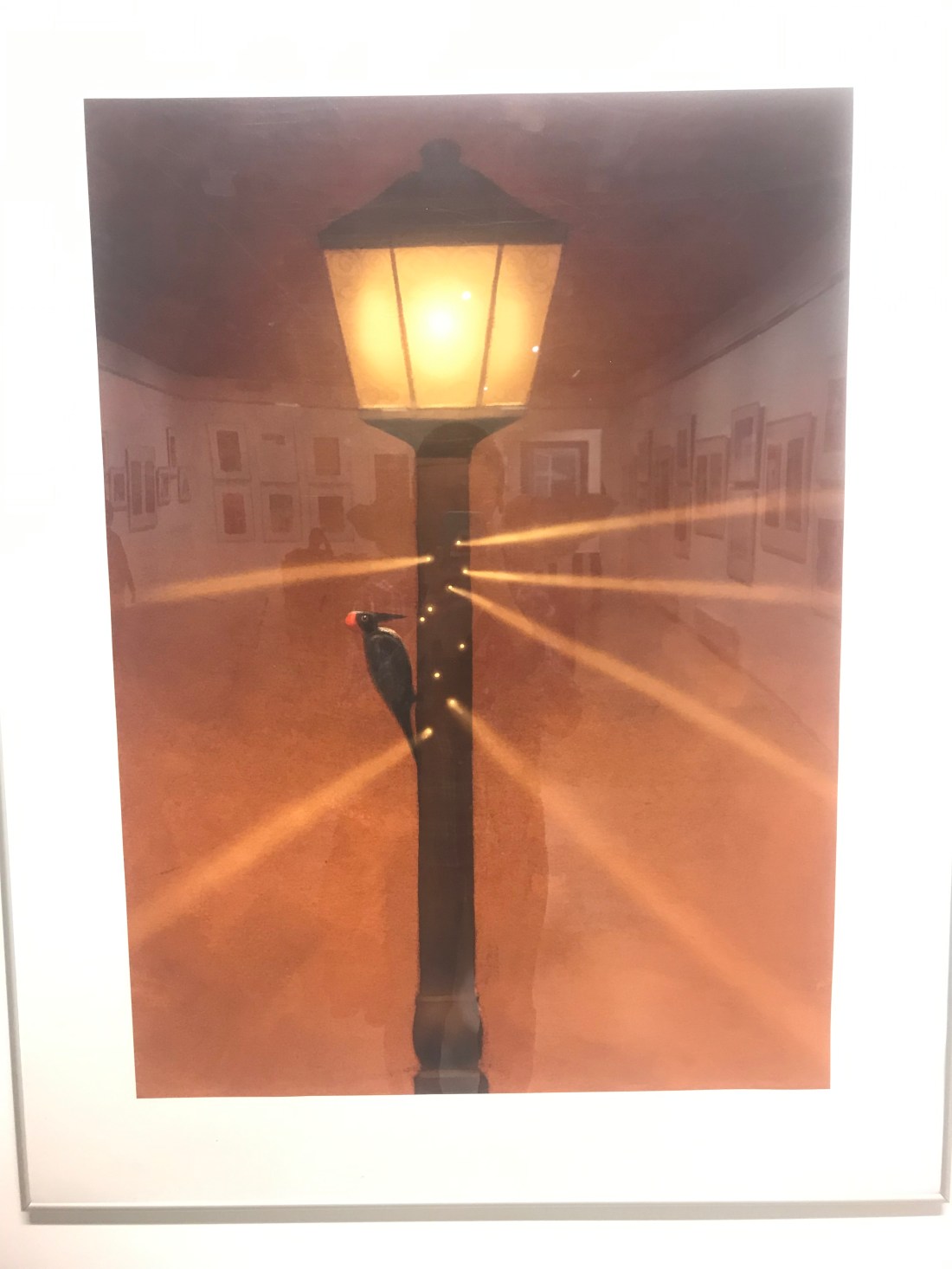
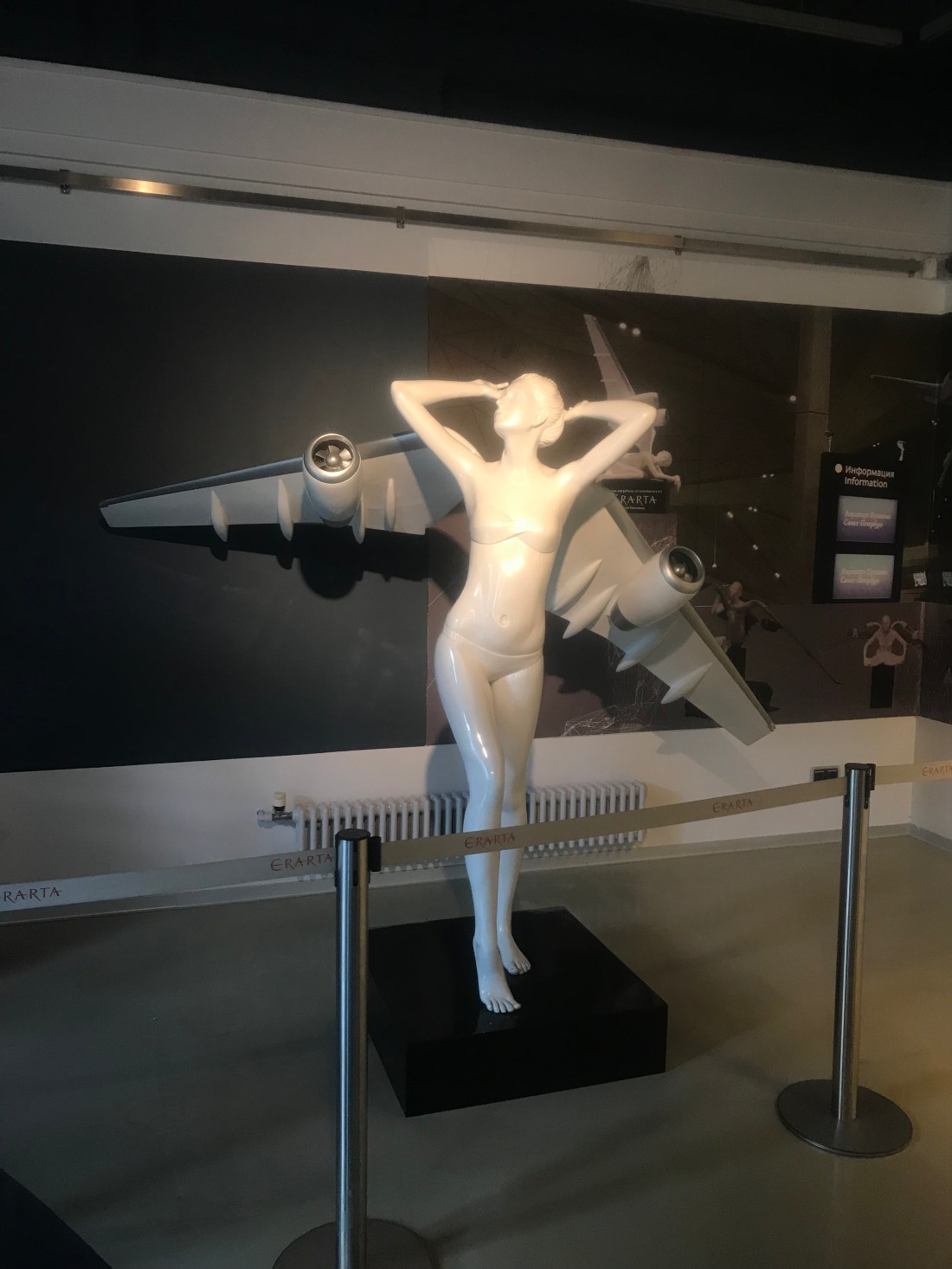
Today, we went to the Erarta Museum of Contemporary Art. I absolutely loved it! It’s been one of my favorite excursions so far. There was a great variety of art in the gallery. I especially enjoyed an exhibit of work by Andrey Popov, an aerospace-engineer turned cartoonist. His work was incredible, accessible, and captured a fantastic sense of wonderment and humor.

Overall, I’m really enjoying Piter! Our dorm is in the center of town- literally a 15 minute walk away from the Hermitage and other incredible city sites. I really like being in the center of the action, but it’s also a very crowded and touristy part of town. Piter itself is beautiful and reminiscent of a European city. It’s much more walkable than Moscow! We’ve only taken the metro here once. But it is also very cold- usually less than 60 degrees and windy/rainy.

So far, I feel very different in Moscow than in Piter. In Moscow, I felt almost like a local by the end of the summer. Here, I’m definitely a tourist. Nevertheless, I’m enjoying my time in Piter, and I’m so thankful for the chance to see this beautiful city and compare and contrast it with Moscow. My favorite part of Piter right now is all of the beautiful canals! I love being on the water, so I like to just grab a hot cup of coffee and stroll along the canals and bridges. I can’t wait to see what else the city holds!

Do Vstrecha,

Piper
(Captions on the photos pending access to WiFi in Piter…)

Andrey Popov Surrealism
A “modern angel” at Erarta. Loved the wings!
The Palace Bridge raised!
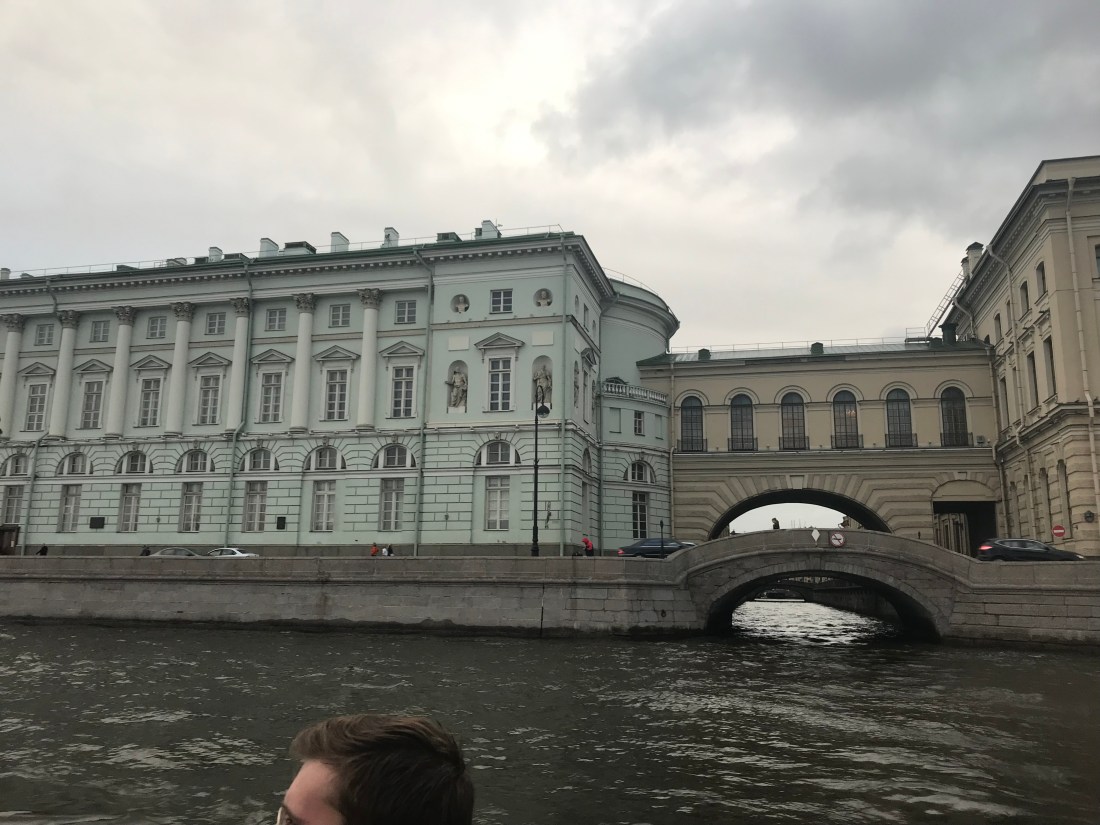
Enjoying Piter from the Canals.
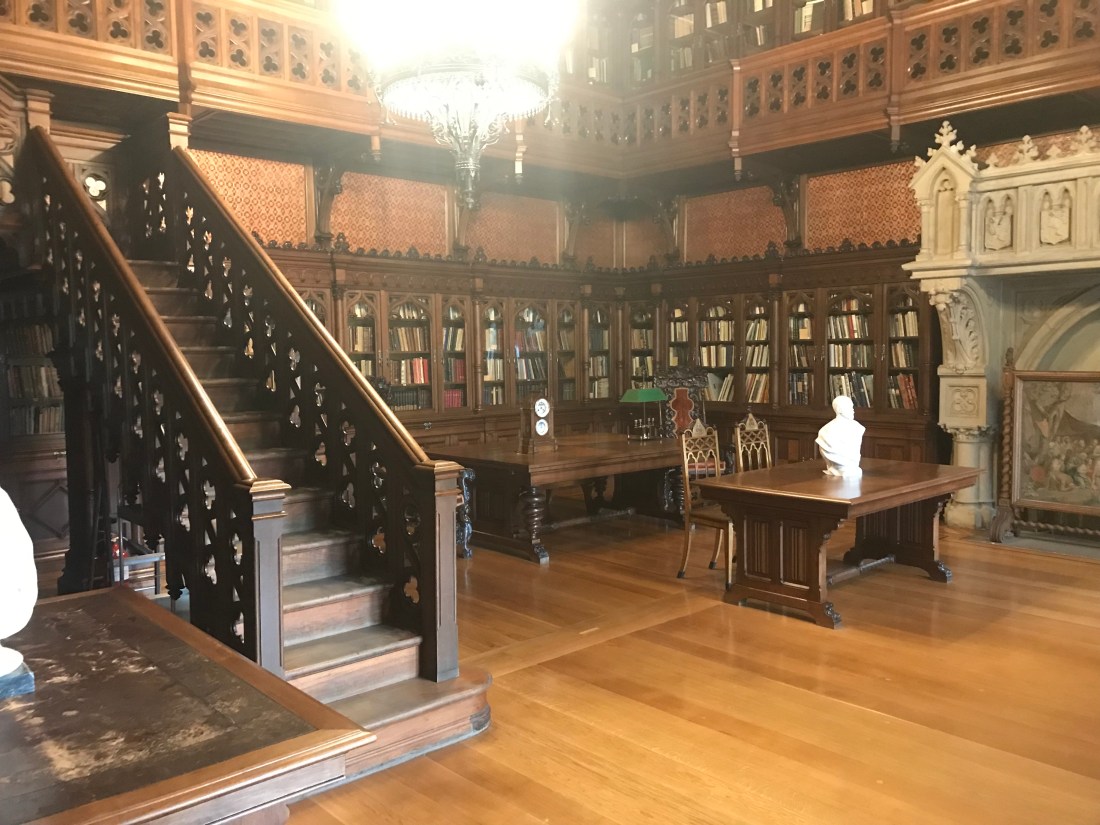
A library in Hermitage.
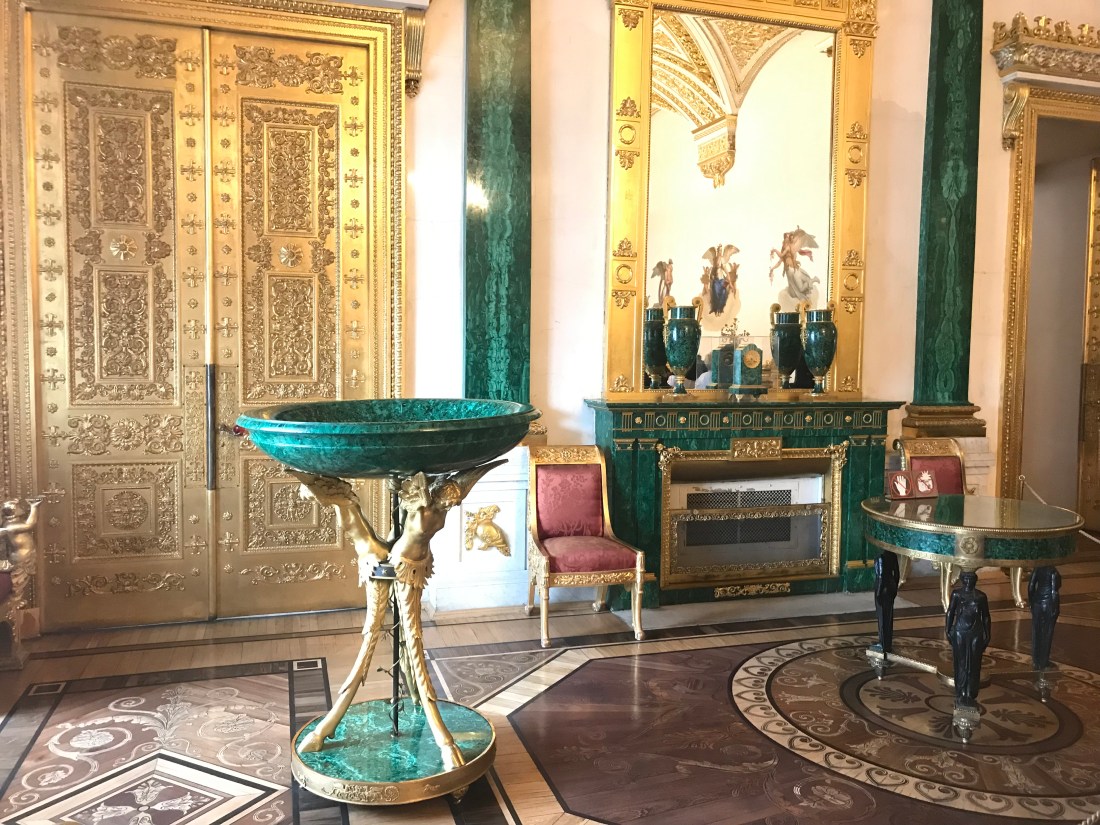
The famous Malachite Room in the Hermitage.
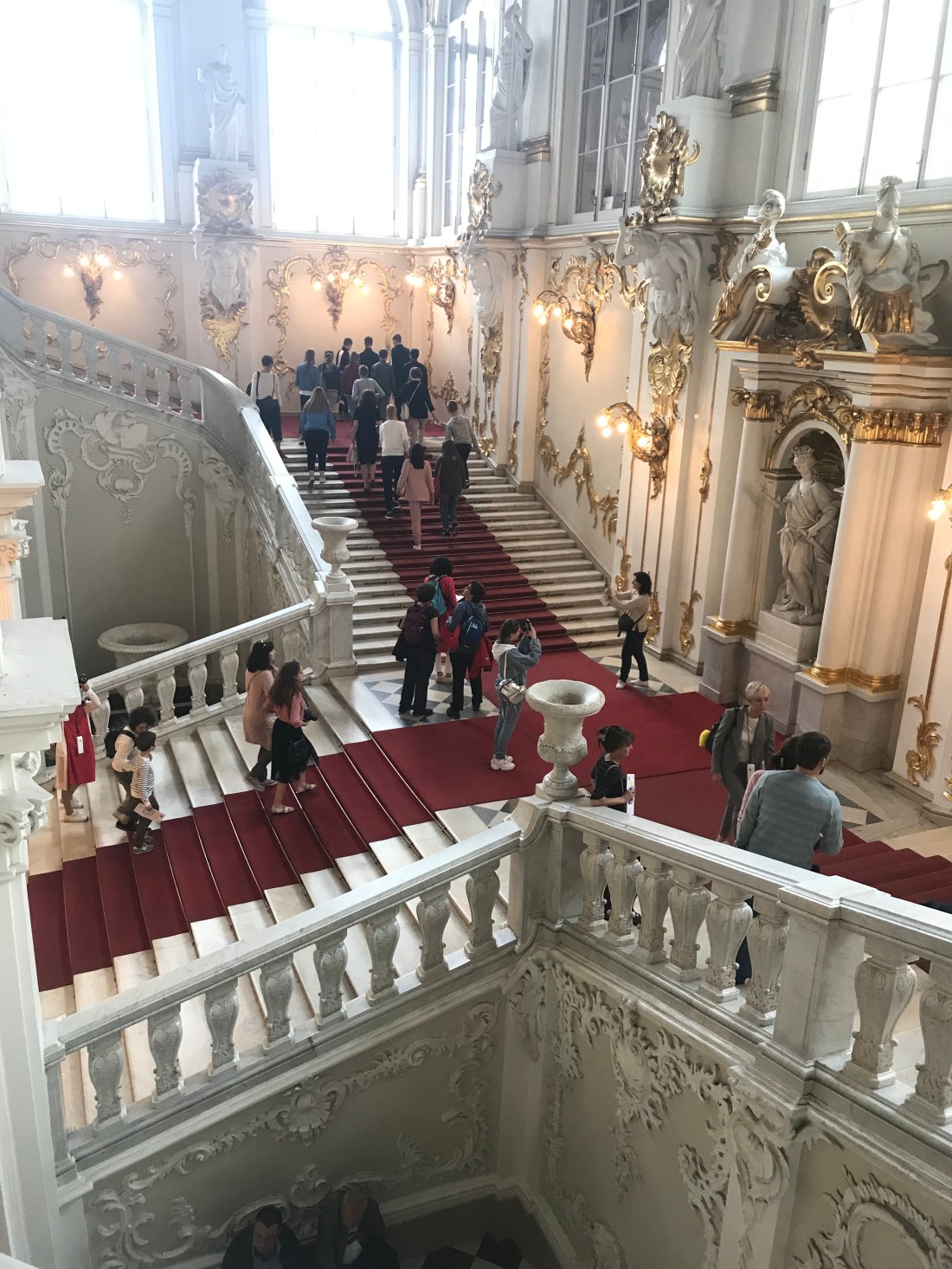
Can you imagine a main staircase like this in your house?
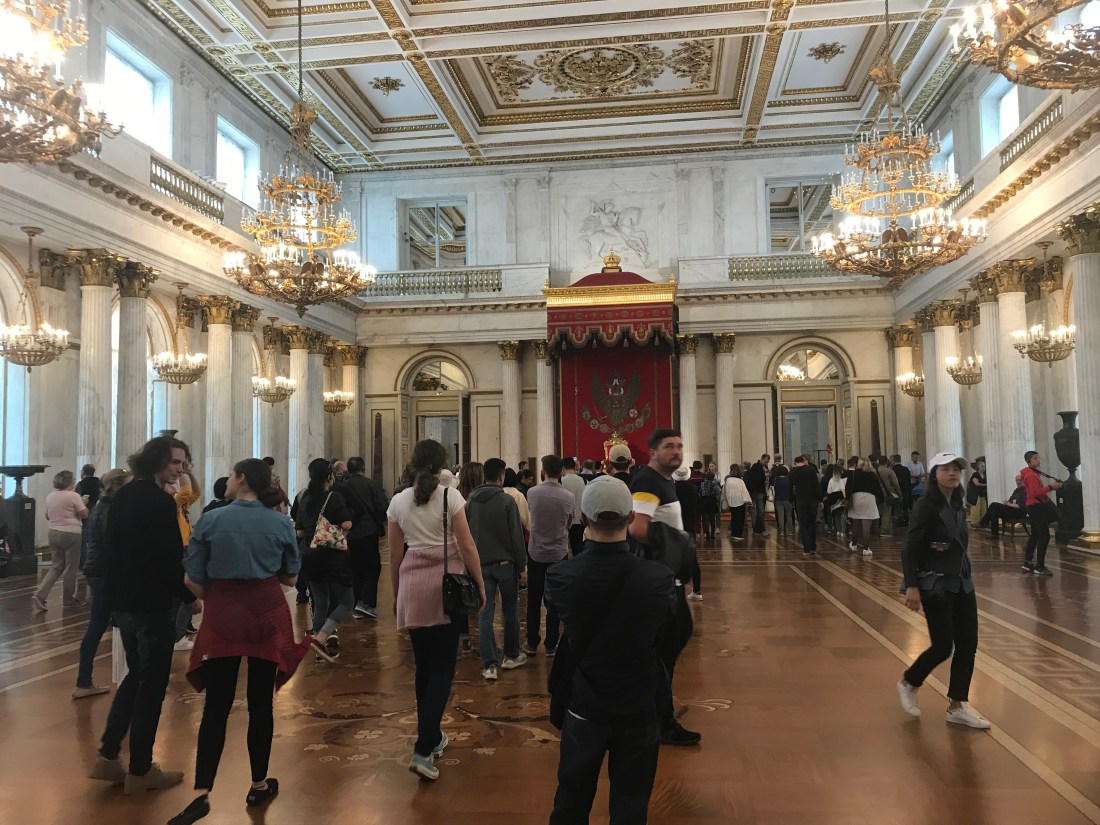
A main hall in Hermitage.
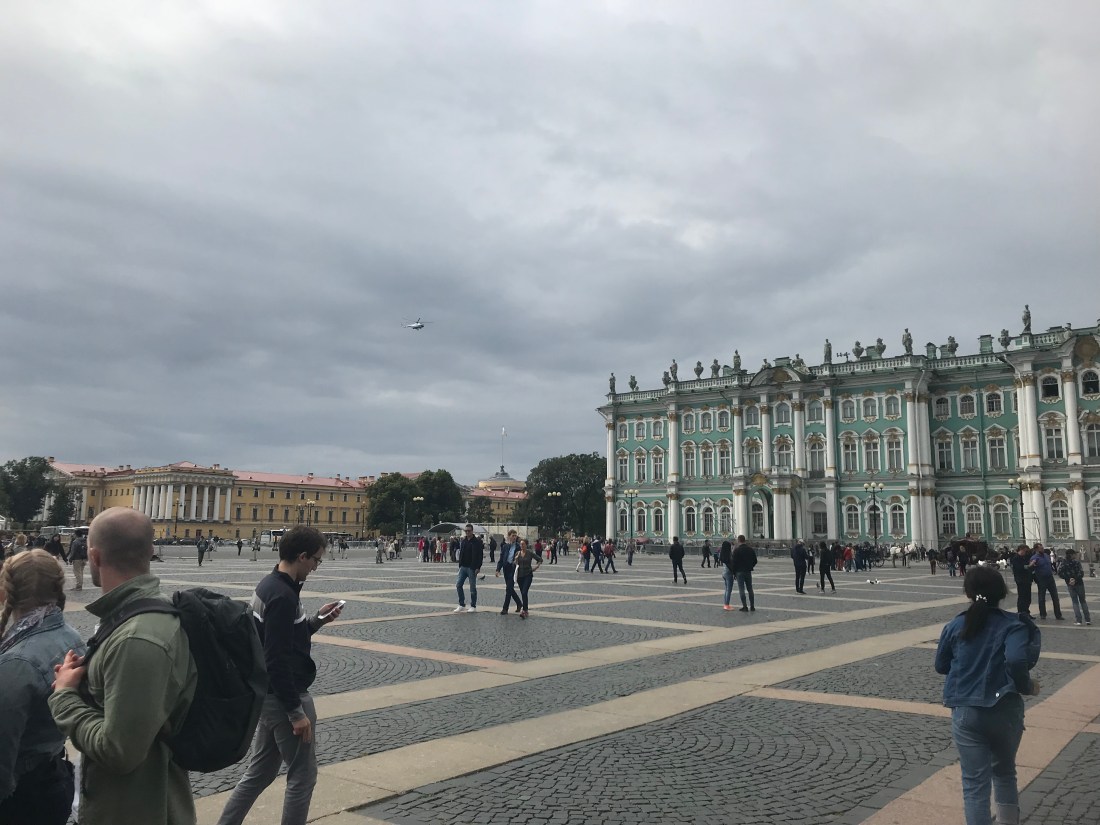
Just a small portion of the exterior of the Hermitage.
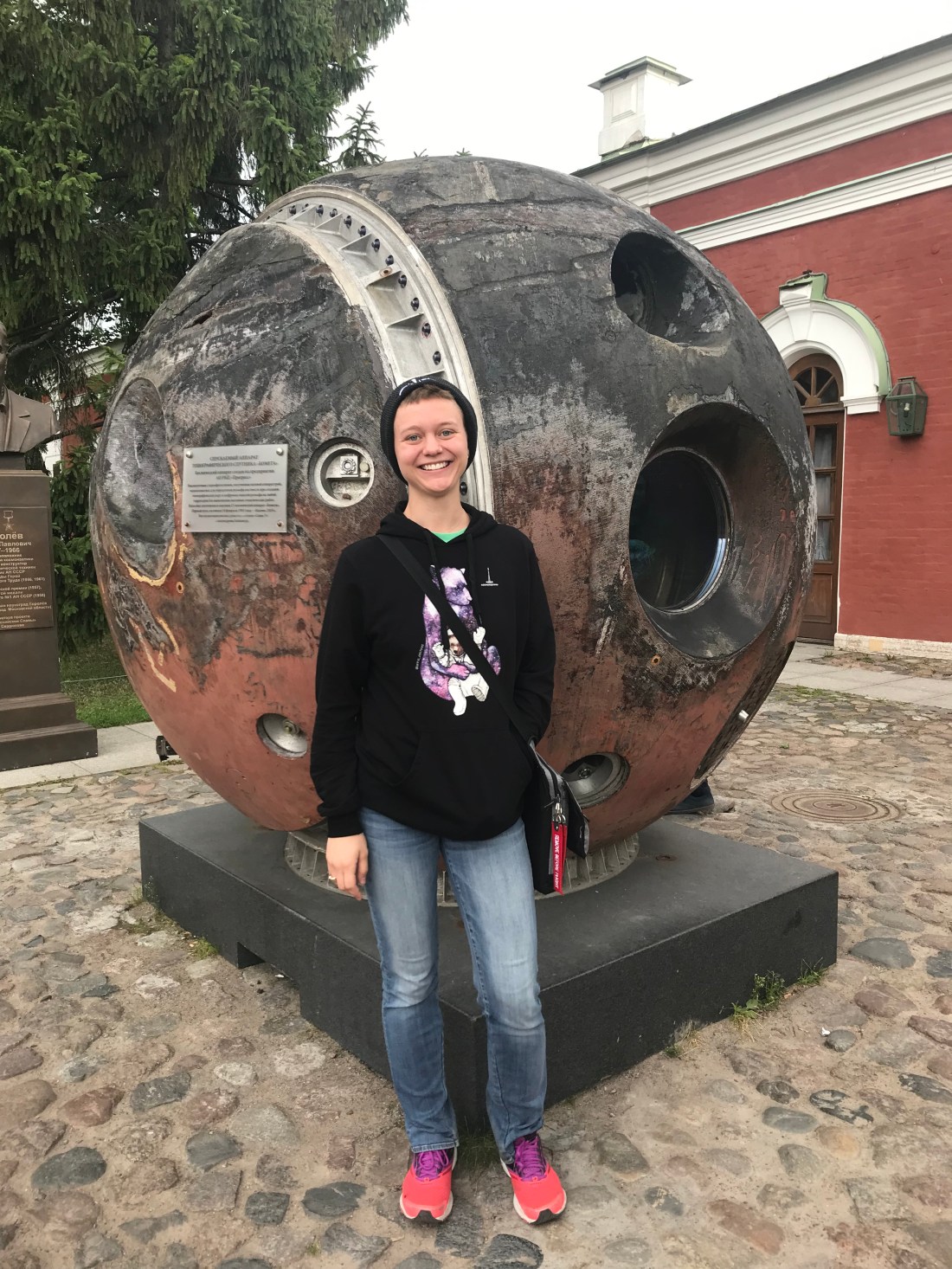
I found a space capsule!
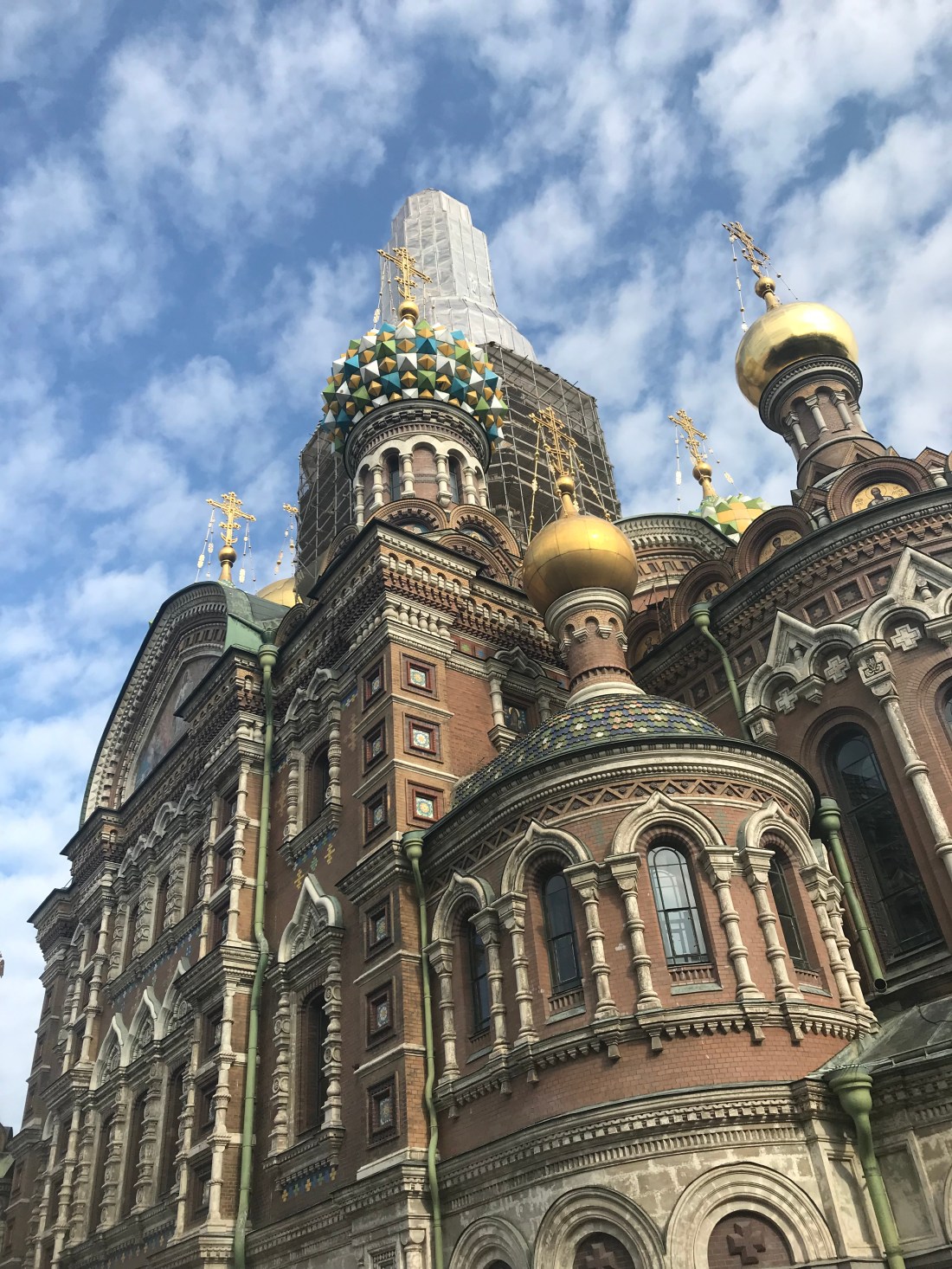
The Cathedral on Spilled Blood is a striking example of classic Russian architecture.
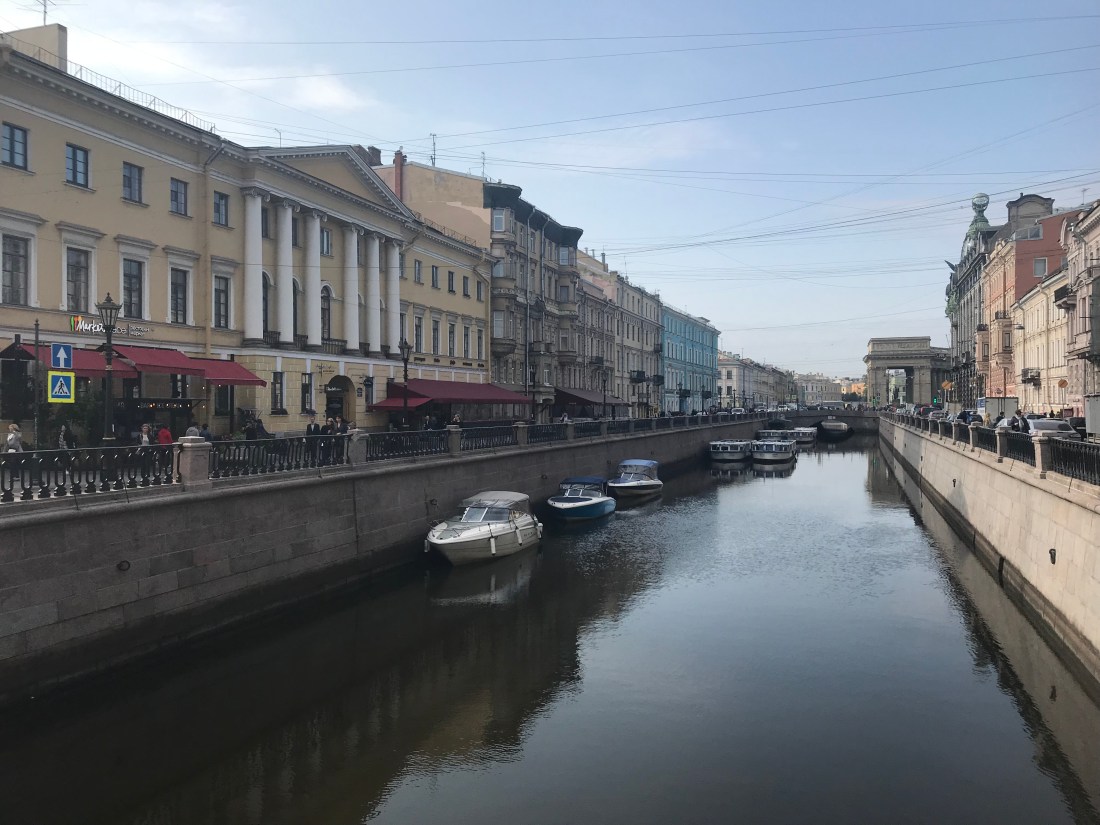
A “typical” canal in Saint Pete’s.
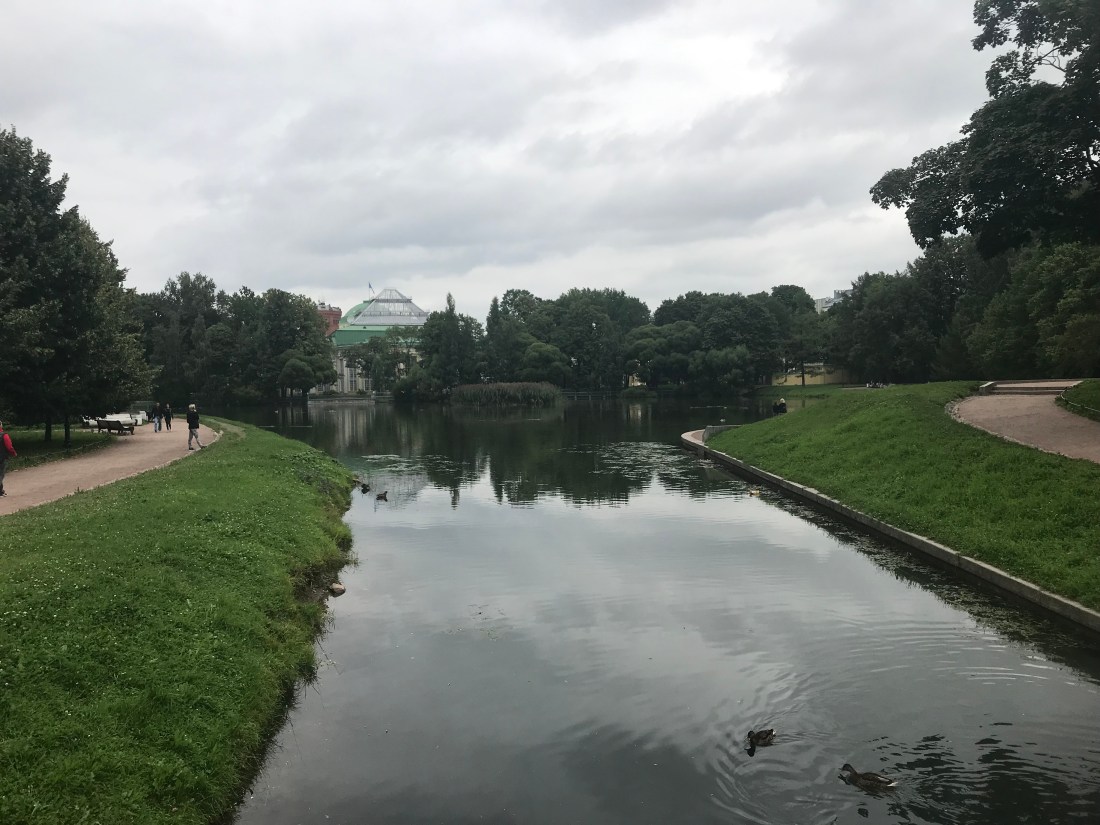
A beautiful park in Piter.

Sunset over the Neva River.

An example of classic Piter architecture.

A break from the bustle

I had a fantastic last weekend in Moscow! I actually spent most of it enjoying the beautiful parks and nature in and around the city.

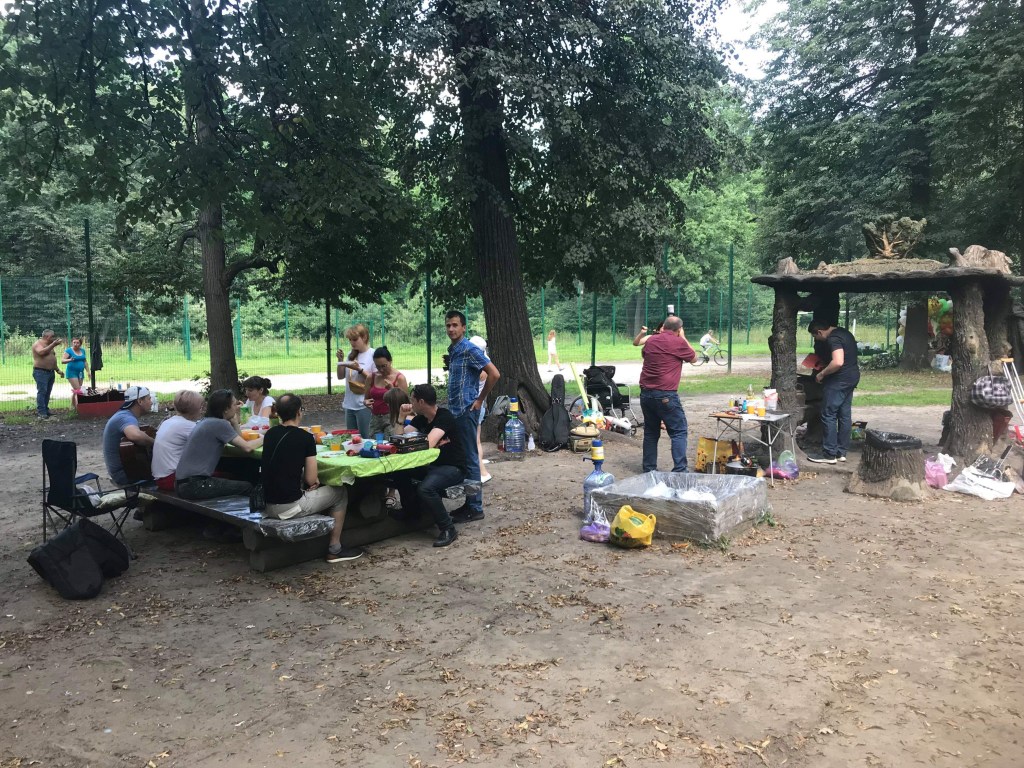
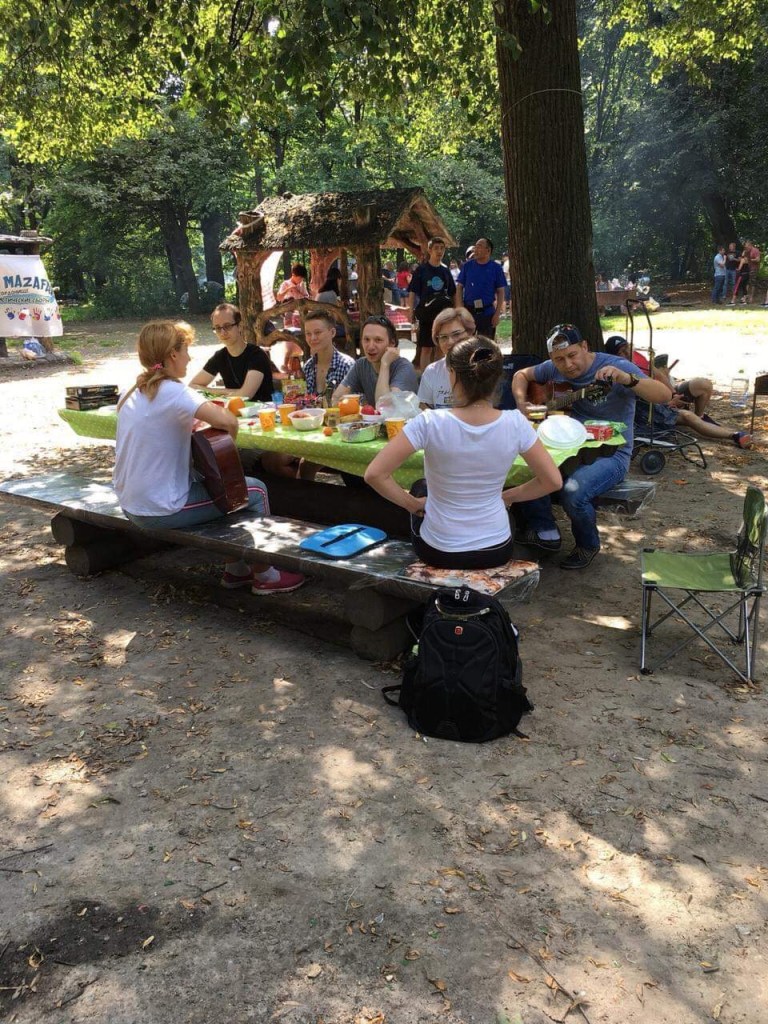
On Saturday, I went to a park on the eastern edge of Moscow with some Russian friends “na shashlike” (for a Russian BBQ; “Shashlik” is a type of Eastern European kabob). We spent the whole day enjoying the beautiful (finally warm and sunny) weather, the atmosphere of the park, amazing food, and good music. We grilled meat, chicken, mushrooms, and vegetables, and snacked on apricots, cherries, apples, cucumbers, tomatoes, cookies, cake, and kvass (a traditional Russian drink). At one point, a few folks broke out their guitars, and we sang Russian classic rock songs (Bi-2, Aria, Tsoi, and Zemfira to name a few). We also played charades (“crocodile” in Russian) which was a fantastic way for me to practice my vocabulary. I didn’t know everyone there to start, but by the end of the day I felt like we had all been friends for a long time. It felt like such a quintessential Russian experience; it’s one of those things that the characters always do in classic Russian/Soviet films.

At the end of the day, I went and saw the new Lion King movie in theaters. It was dubbed in Russian, and I loved listening to how the songs were translated. You cannot always translate text literally. There are nuances in meaning and context that sometimes just can’t be translated word for word. This is even more true in songs and poems, when you have to consider rhythm, rhyme, and other such aspects. For that reason, it’s always very interesting to see how songs and movies are translated.

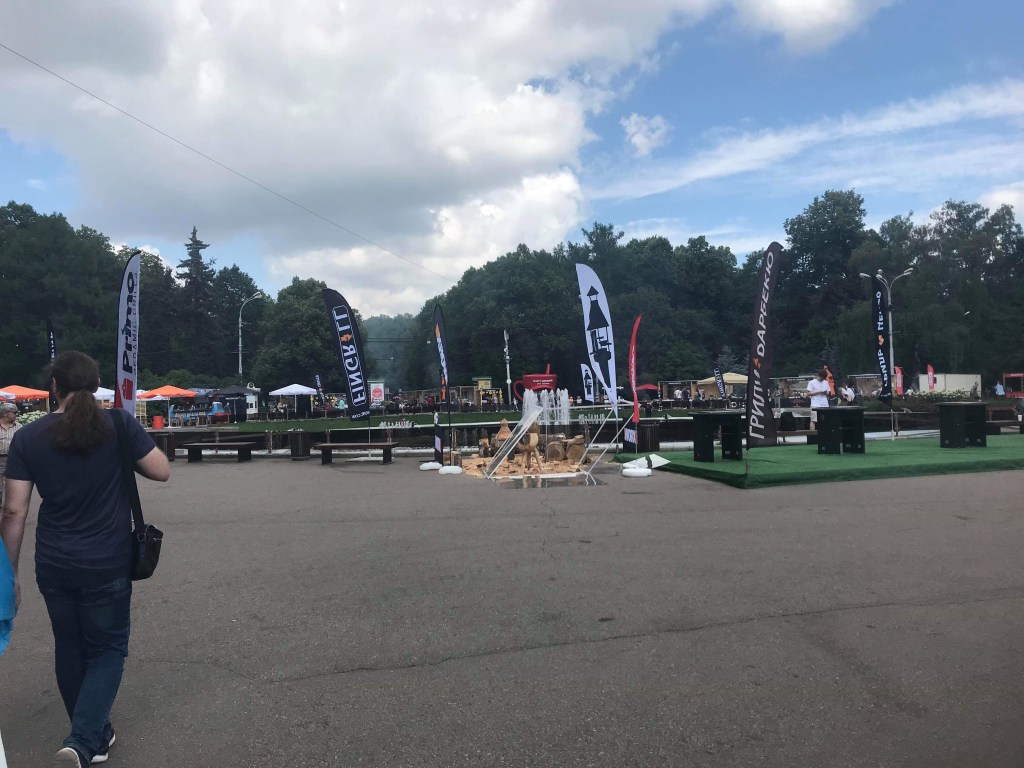
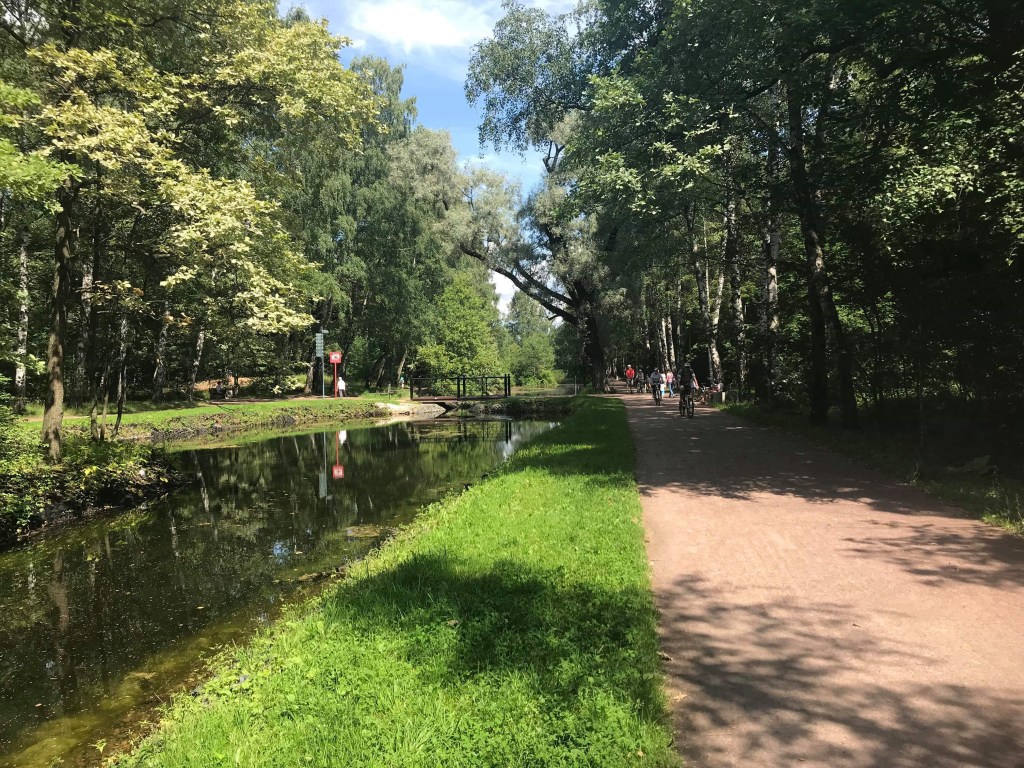
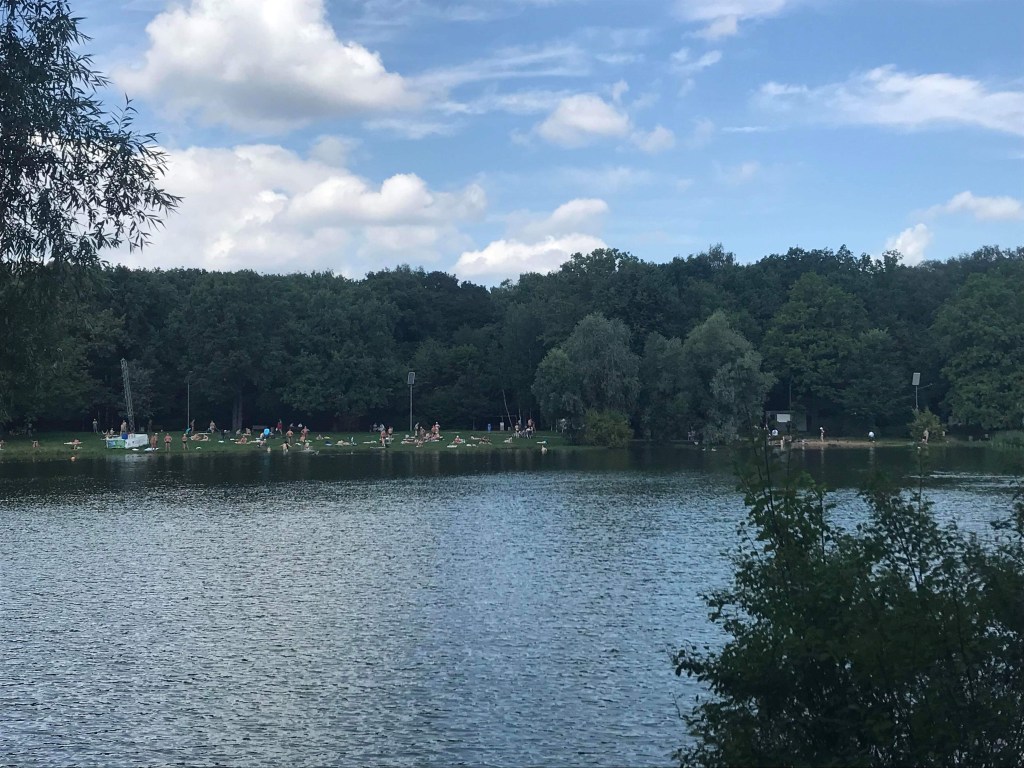
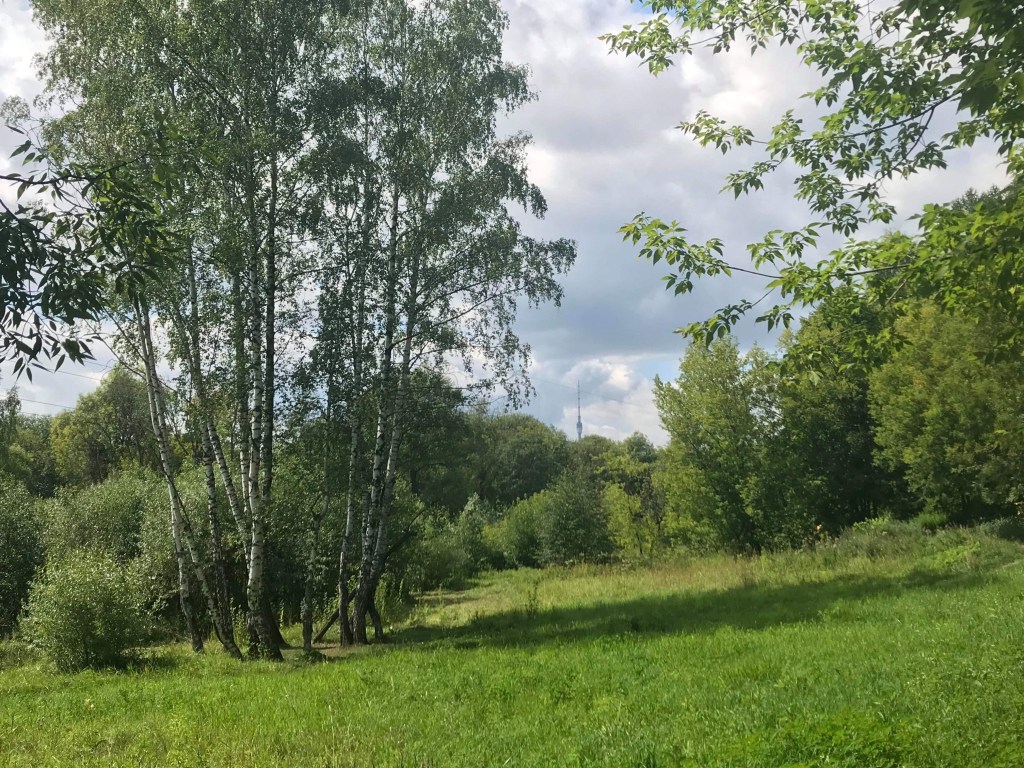
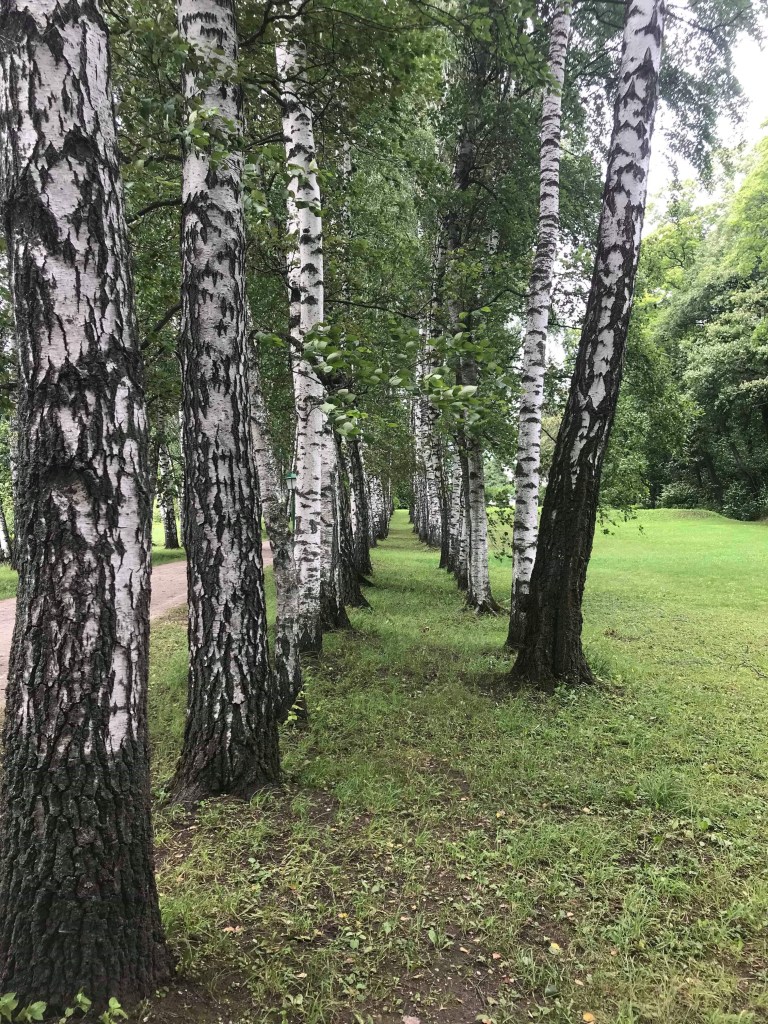
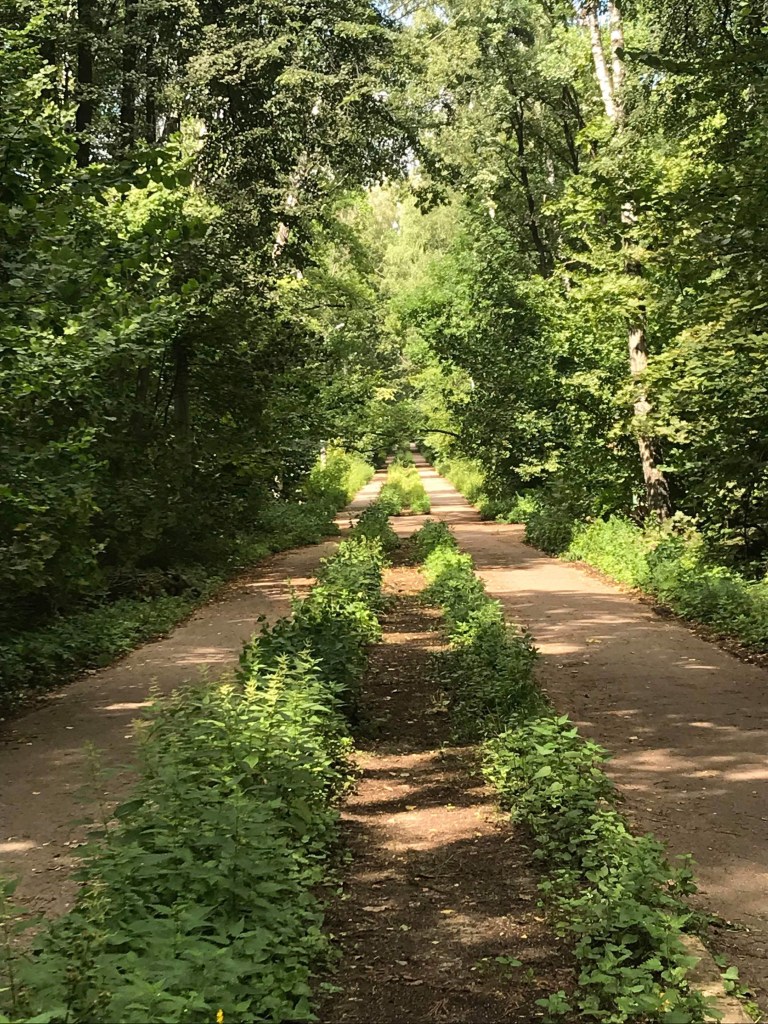
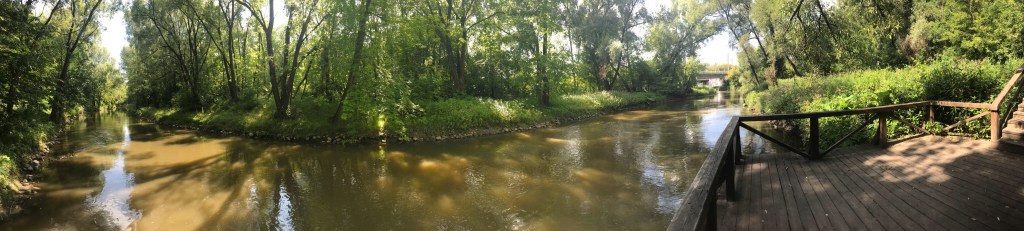
On Sunday, I spent the day exploring Sokolniki Park and the Losiny Ostrov (Moose Island) National Park. Sokolniki Park was incredible- it is a gigantic wooded park with an exhibit area, fountains, cafes, a bird zoo, outdoor theater, walking paths, ponds, swimming pools, and so much more I didn’t even get to see! It was a super popular place, and parts of the park were packed with people walking, biking, roller blading, and swimming. I happened to go during “BBQ Fest” so I had even more shashlik! My favorite part of the park were these beautiful dirt paths along a series of small ponds. The path was lined with picturesque Russian birch trees, and it was so peaceful!

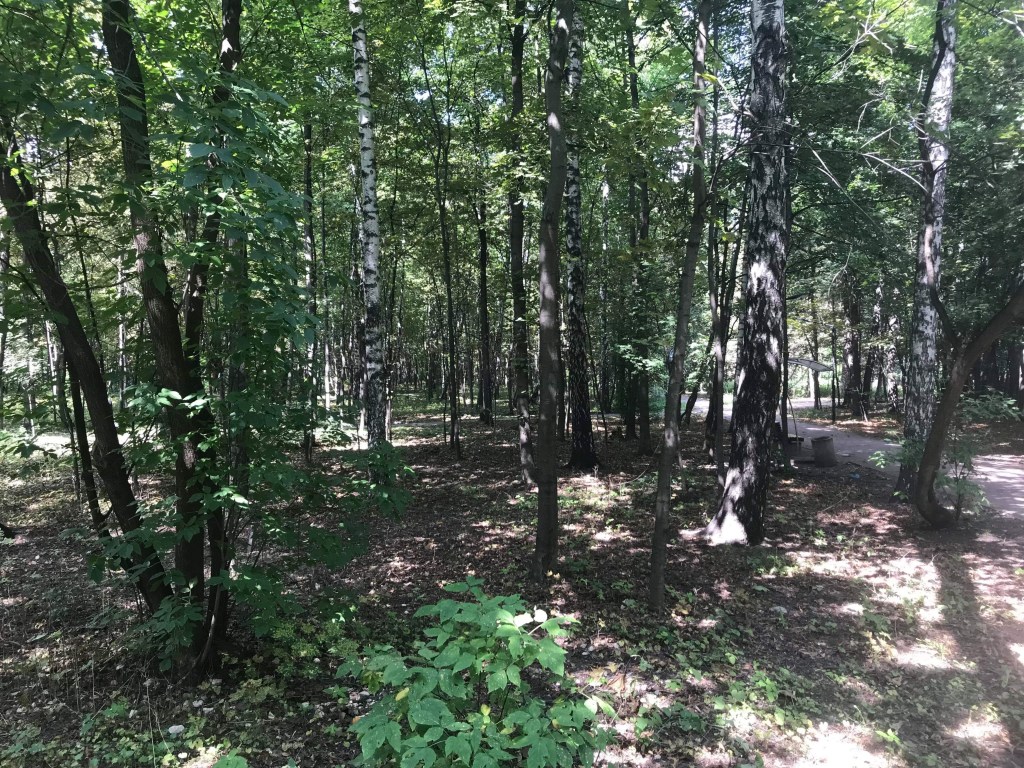
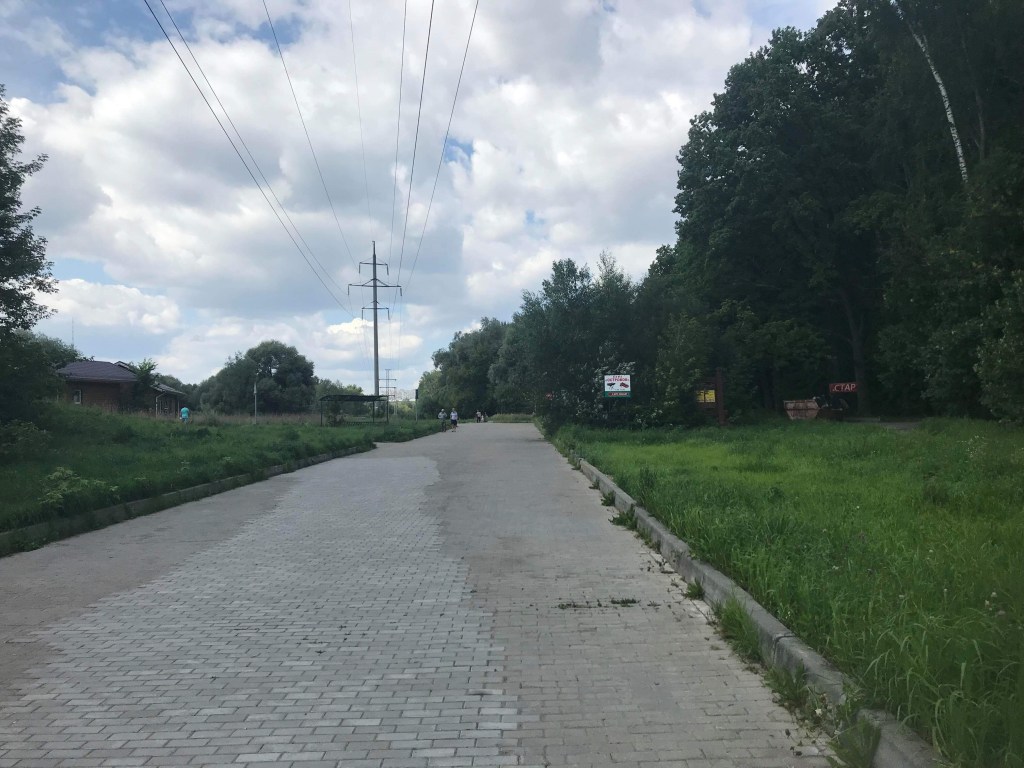
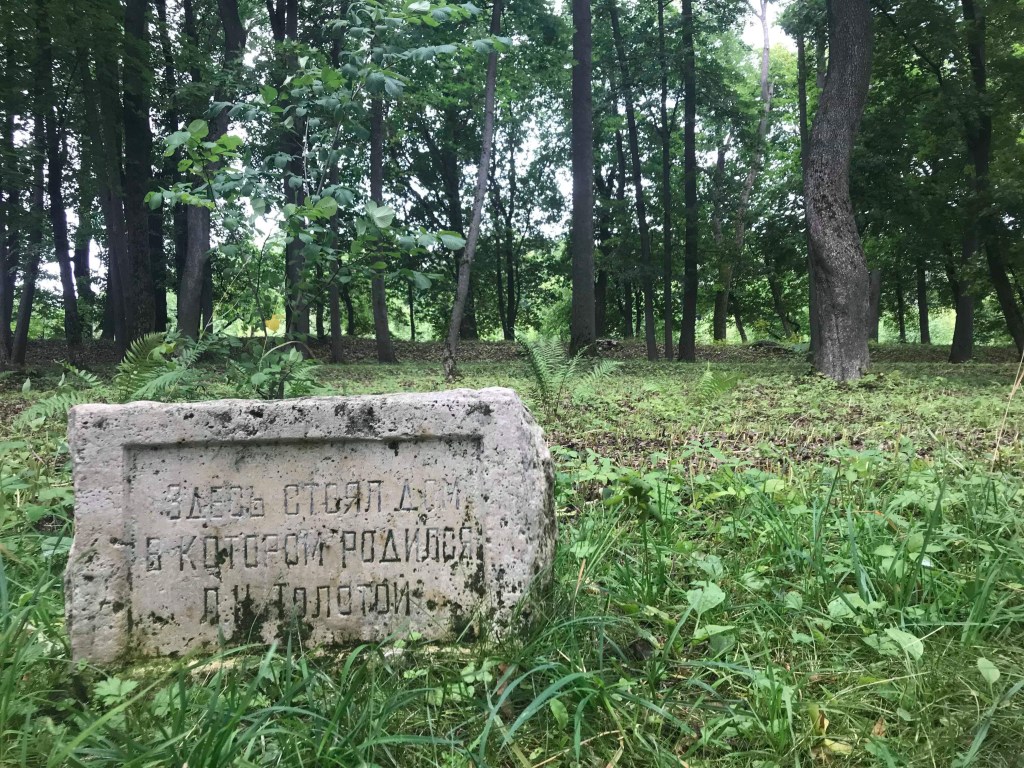
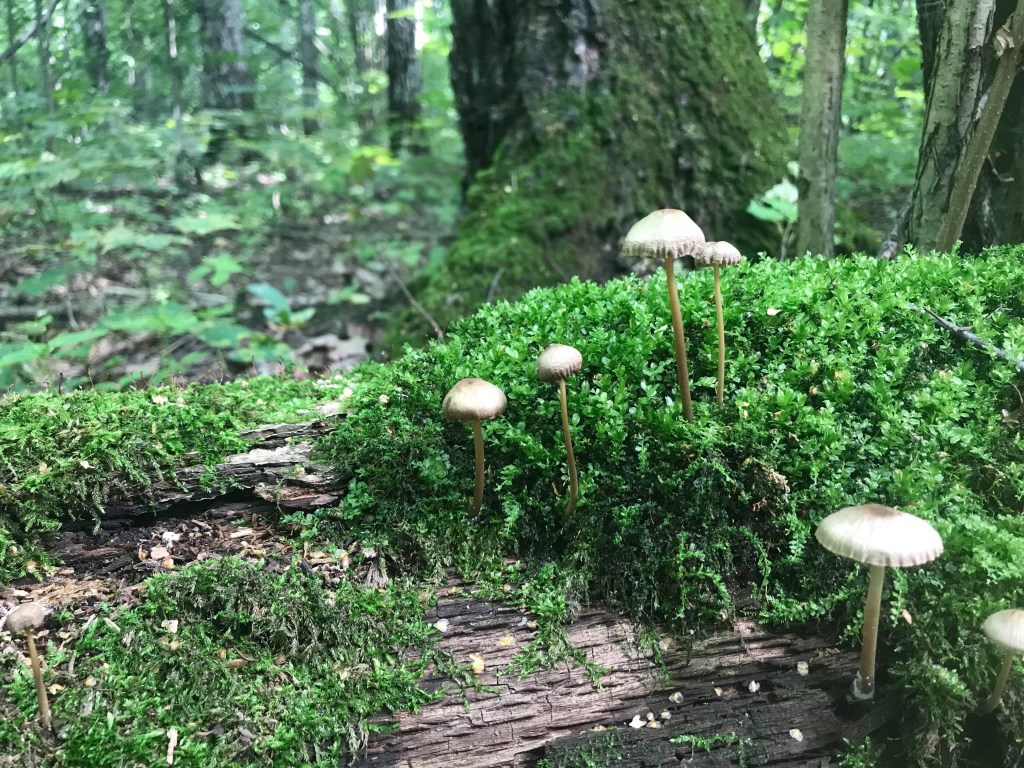
Losiny Ostrov is situated just to the north of Sokolniki, so I just walked straight there. It’s known for being one of the largest parks/natural areas in the territory of a city. It was very different than a national park in America! For starters, you didn’t need a pass to get in, and the entrance was a walking path (no cars allowed!). It was also really hard to find information about the park. I.e., the website didn’t give very clear directions on how to find the entrances, and I couldn’t find any sort of ranger station to ask for a map. My first impression upon entering the park was that it wasn’t very well-kept: it was overgrown with plants, and there were electric wires routed overhead. The main entrance was a wide brick path in a field, with smaller paths branching off into the woods and around a small pond. My opinion quickly changed as I walked through the wooded paths. These paths were all very well traveled and maintained, and some were even paved. Again, it was very peaceful, and it was so nice to breathe fresh air. However, no matter how far into the park I walked, I could still hear cars from the nearby highways. Losiny Ostrov was also a popular park, but not as crowded as Sokolniki.

In all on Sunday, I spent about 6 hours walking around, and by my estimation, walked about 15 miles!

Another highlight of my weekend was docking a Soyuz on the International Space Station. That is, training to dock using the same model of simulator that astronauts and cosmonauts use in Star City! One of the guides at the Museum of Cosmonauts offered to train me in the simulator, and it was fantastic! Many cosmonauts say that the physics and dynamics of the simulator are super realistic, just like you’d find in a good flight simulator. You fly a Soyuz using two joysticks: one controls the position of the spacecraft, and the other controls it’s attitude (orientation). It took a couple tries to get the hang of it, but I quickly found it to be pretty intuitive. Hopefully one day, I’ll be able to compare it to the real deal, too!

Do Vstrecha!
Piper
Learning More Each Day

It is already our last full week of classes here in Moscow! I feel like our academics are wrapping up right as I’m starting to feel really comfortable and confident in class, and just as my group is developing a solid rapport with our teachers. Just like with classes in the States, my group’s rapport with our teachers has changed and evolved over time as we got to know one another.

Recently, I’ve really been enjoying my speech development, phonetics, and literature classes. These classes feel less like a traditional classroom environment, and more like sitting down and having interesting conversations with my classmates and teachers. Since I really want to target my conversation skills this summer, I’ve absolutely loved this chance to practice speaking and expanding my “conversation comfort zone” in an academic setting. Never would I have imagined I could hold intelligent conversations about Gogol and poetry, poverty and economics, gender inequality and stereotyping in Russian! It’s been a huge boost to my confidence and language skills to converse about more abstract topics like these, even without knowing all of the relevant vocabulary.

Since my group is only four students, it’s been much easier to form a personal relationship with the teachers. All the teachers demonstrate through their actions and how they conduct class that they genuinely pay attention to each student, and their strengths and weaknesses. While I myself haven’t felt much improvement in my Russian day to day, I’m proud of myself because several of my teachers have independently commented on my progress and improvement in class. During orientation, the program staff told us this would probably happen with our language skills. Just like you don’t notice yourself growing up each day, it’s easy to look back over a larger chunk of time and see your progress.

Outside of class, volunteering at the Museum of Cosmonautics continues to be a highlight of my summer. Everyone in the office is so incredibly kind and knowledgeable, and genuinely excited about the work they do at the museum. They are very hard working, and usually work until 7 or 8 in the evening. I’ve found this to be typical of Muscovites – they are hard working, passionate, and busy folks.

At the museum, I’ve been translating documents, press releases, website pages, and even descriptions and texts for the main exhibition hall (currently undergoing modernization). It means so much to me, that my translations might help inspire someone else to pursue engineering and space exploration! This museum played a large role in inspiring me to pursue aerospace engineering, so I’m happy for the chance to give back!

I’ll close with a tip for any other Russian language learners, especially from my generation: watch Spongebob in Russian. It sounds a bit silly, but I’ve started watching Spongebob in Russian if I need a break, and it’s been a great language learning tool! First of all, since it’s a cartoon for kids, the language is very simple and oftentimes repetitive. Secondly, Spongebob is also popular in Russia, so the quality of the dubbed Russian is very good. Finally, my siblings and I watched Spongebob growing up, so I’m already familiar with the plot of many of the episodes. I can watch an episode of Spongebob, catch most of the words, and understand the plot in a very low-stress environment. Going forward, I think this will be a great way for me to work on communicating in Russian more naturally, without having to translate back and forth into English in my head.

Do vstrecha!
Piper
Liftoff!

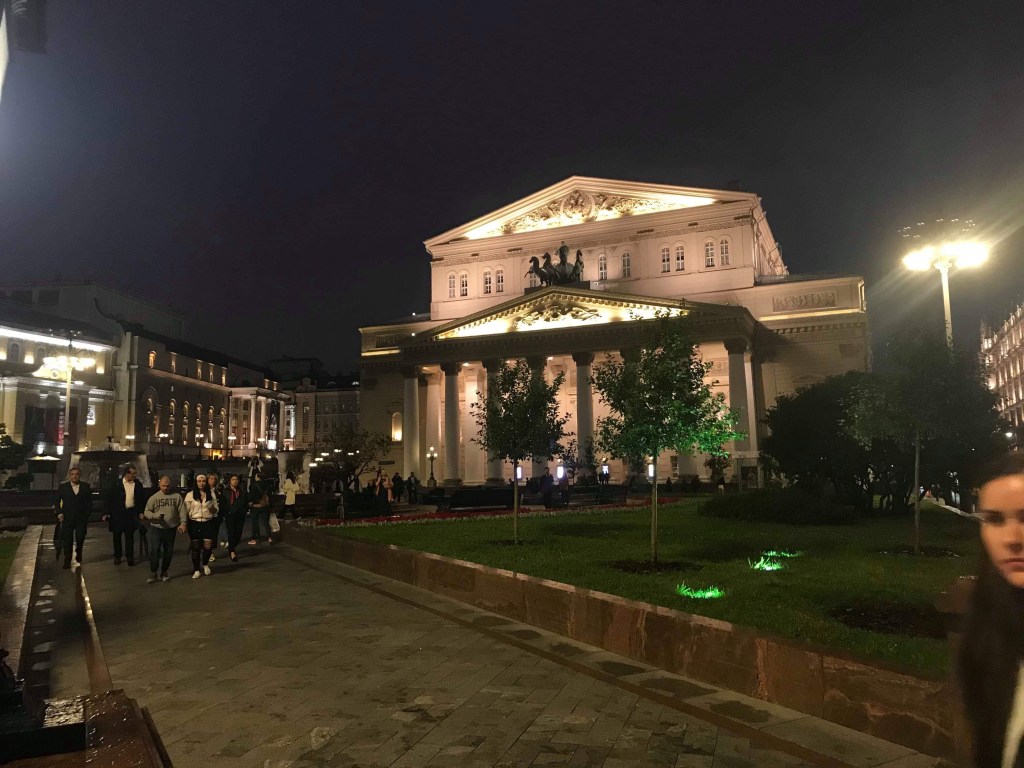
I had the most incredible week! On Wednesday, I saw the ballet Onegin at the Bolshoi Theater with one of my classmates. I’ve wanted to see this ballet for several years, and it was so worth the wait! The ballerinas were incredibly talented, the set was fantastic, and the costumes were gorgeous. I especially loved the choreography. Onegin is based off of Pushkin’s novel-in-verse of the same title. Thus, the choreographer made certain to include nods to Russian culture in the ballet: I recognized several dance moves that we have learned in our Russian dance class!

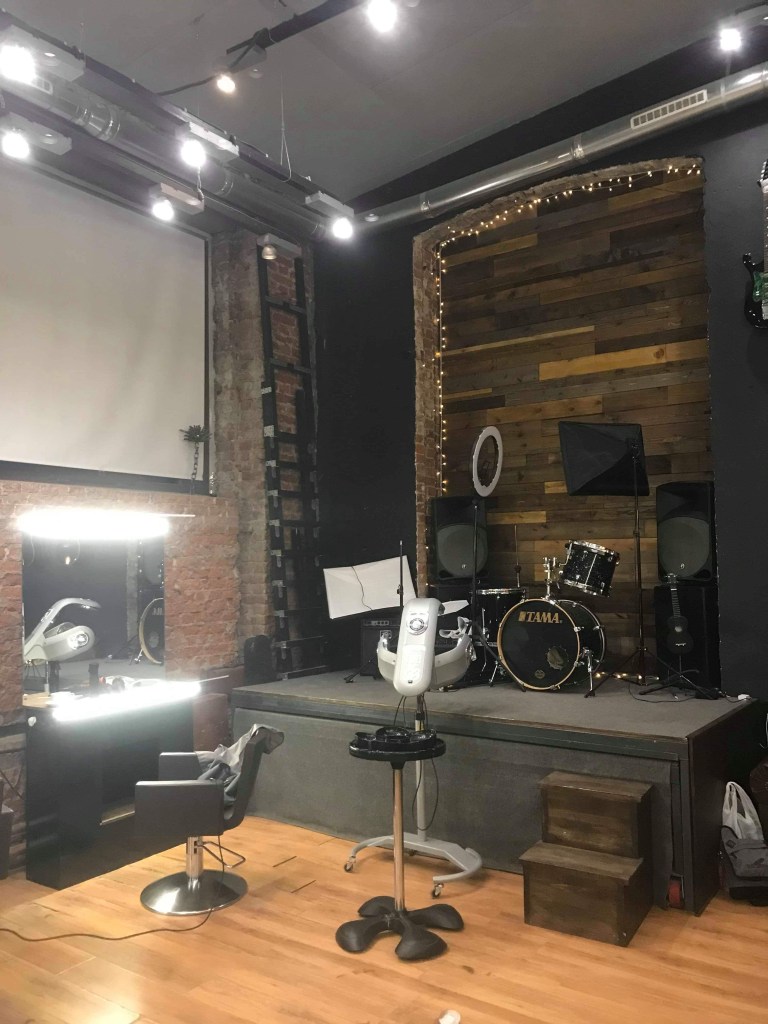
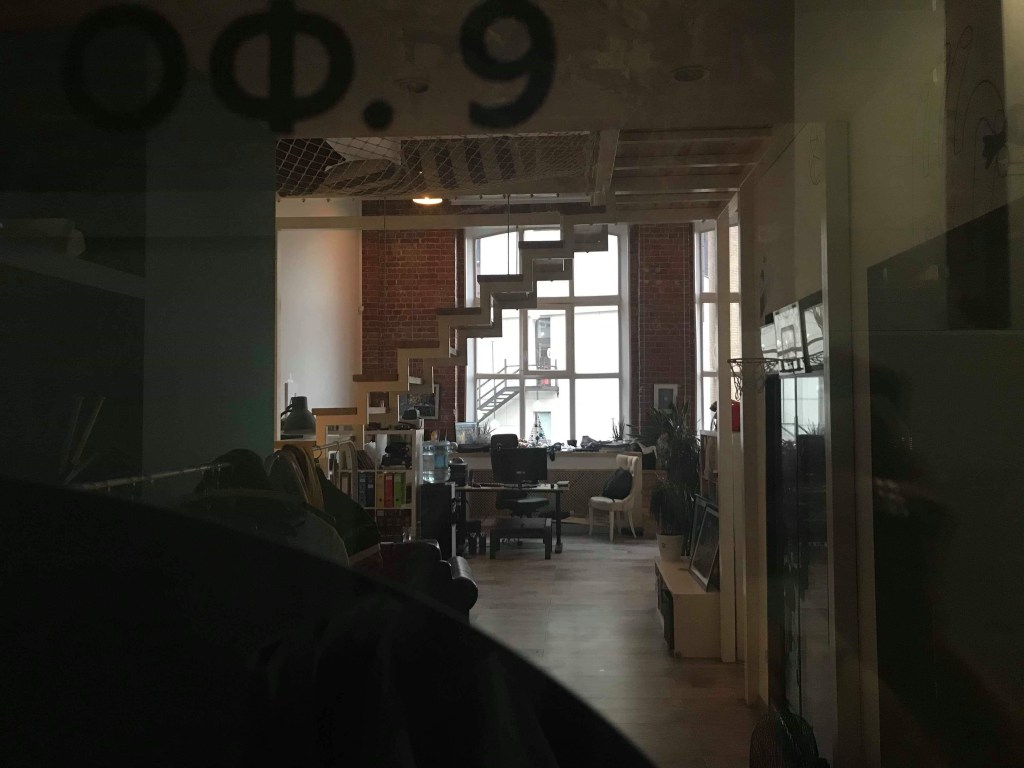
I also got a fresh new haircut. Getting a haircut is one of my favorite things, so I definitely wanted to have that experience here in Moscow. I found a fantastic barbershop right near the campus of a British international design school. The barbershop was on the second floor of a beautiful old building with exposed brick walls and tall ceilings. It was surrounded by all of these incredible art studios, and had it been earlier in the day, I would have loved to spend hours wandering through and talking with the artists. For those in the DC area, the place reminded me a lot of the Lorton Arts Center and the Torpedo Factory in Alexandria.

My stylist was a young Russian lady who was very surprised and excited that I was American! She’d never cut an American’s hair before, so it was really fun talking with her. It was easy for me to communicate and understand her, but just like I do in the US, I brought a picture of the haircut I wanted just to be clear. In all, my experience was very similar to getting a haircut in the states.

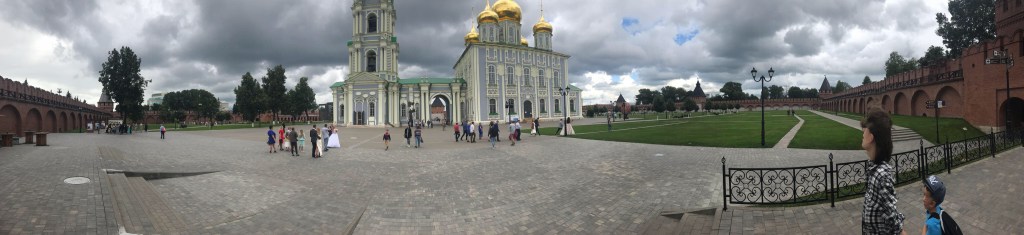
On Friday, our group had an excursion to the city of Tula, a suburb about 3 hours south of Moscow. Tula is known for its gingerbread, beautiful kremlin, and Tolstoy’s estate. It was obviously much smaller than Moscow, and even smaller than Perm, but much larger and more developed than a Russian village.

Each region of Russia has its own special recipe for gingerbread. For example, last year when I was in Perm, I got the chance to take a masterclass in making Permskiy gingerbread. Tula is especially known for its gingerbread, and while we didn’t get to make any ourselves, I definitely enjoyed eating it! Russian gingerbread is much thicker and softer than American gingerbread, and usually filled with jam or condensed milk.

“Kremlin” in general simply refers to a fortress, that was often used as the seat of government because of its defensibility. So, each oblast (region) in Russia has its own kremlin, in addition to the national Kremlin in Moscow where the Russian president works.

Tolstoy’s estate, Yasnaya Polyana, was located outside of the main part of Tula. We took a tour of the estate, and even saw Tolstoy’s grave. I loved learning more about Tolstoy as a person. He despised the typical grandiose and luxurious lifestyle of most Muscovite aristocrats, and tried to live a more modest life in Tula. As an avid crochet-er myself, I really enjoyed seeing the actual blanket Tolstoy used, crocheted for him by one of his family members.

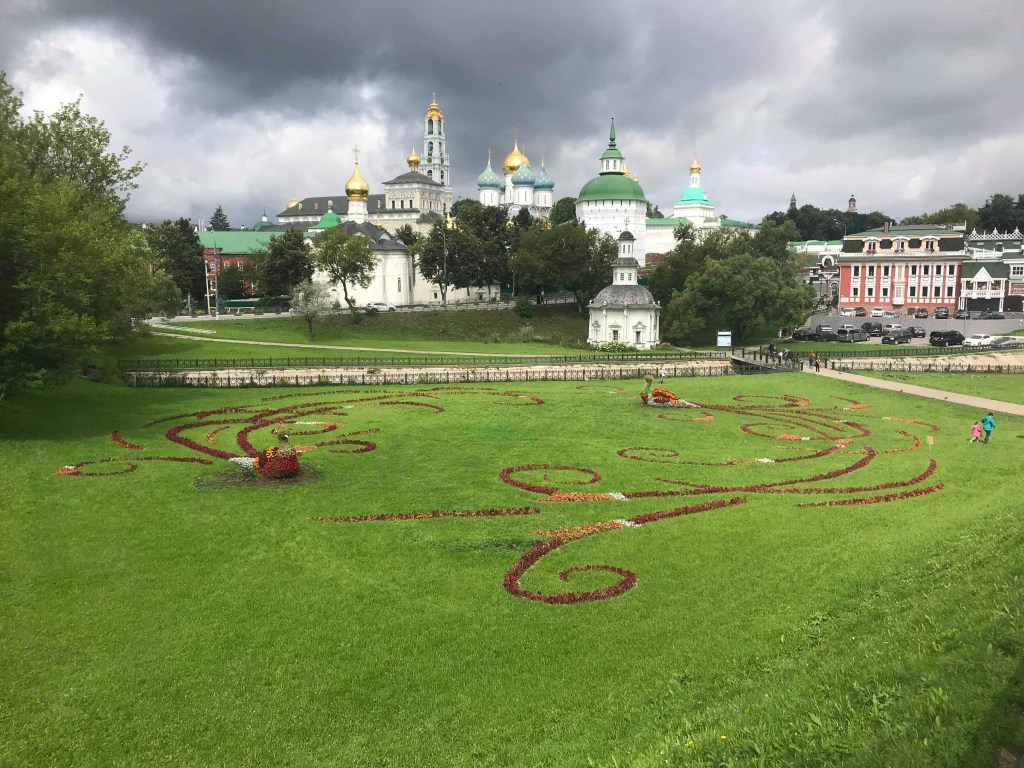
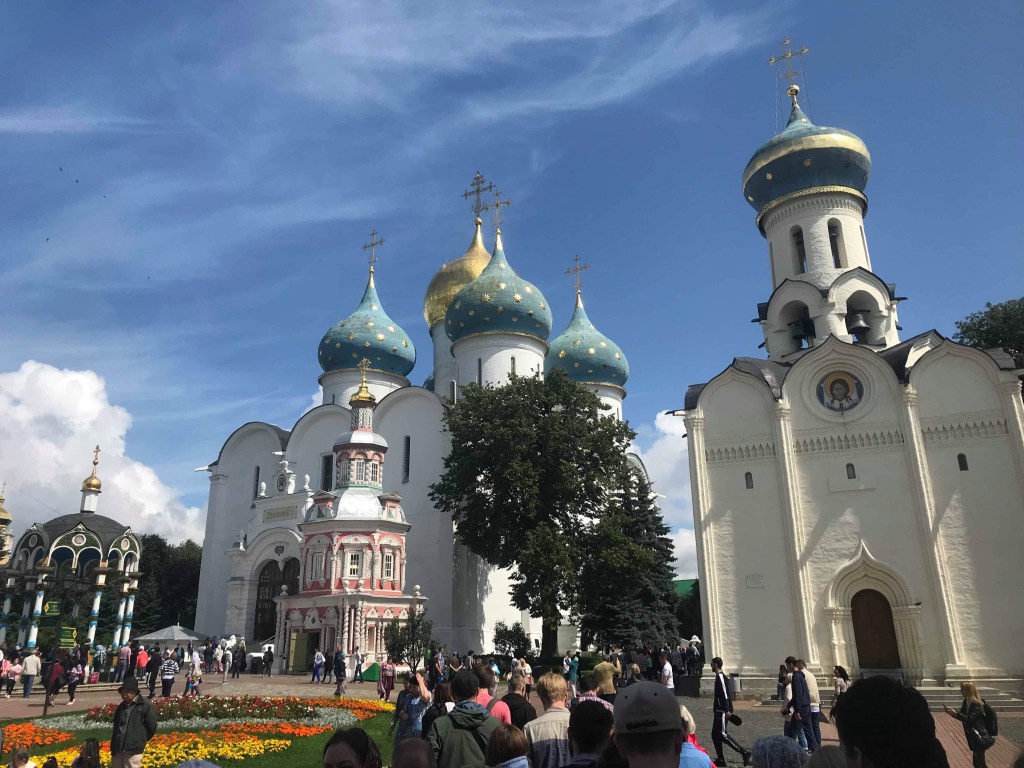
We also took an excursion to the Sergiev Posad monastery, a short hour-long train ride outside of Moscow. I had a harder time understanding the tour – my brain was a bit tired and the crowd was fairly noisy. But, nevertheless, the architecture of the monastery was incredible, and it was a beautiful opportunity to experience a Moscow suburb.

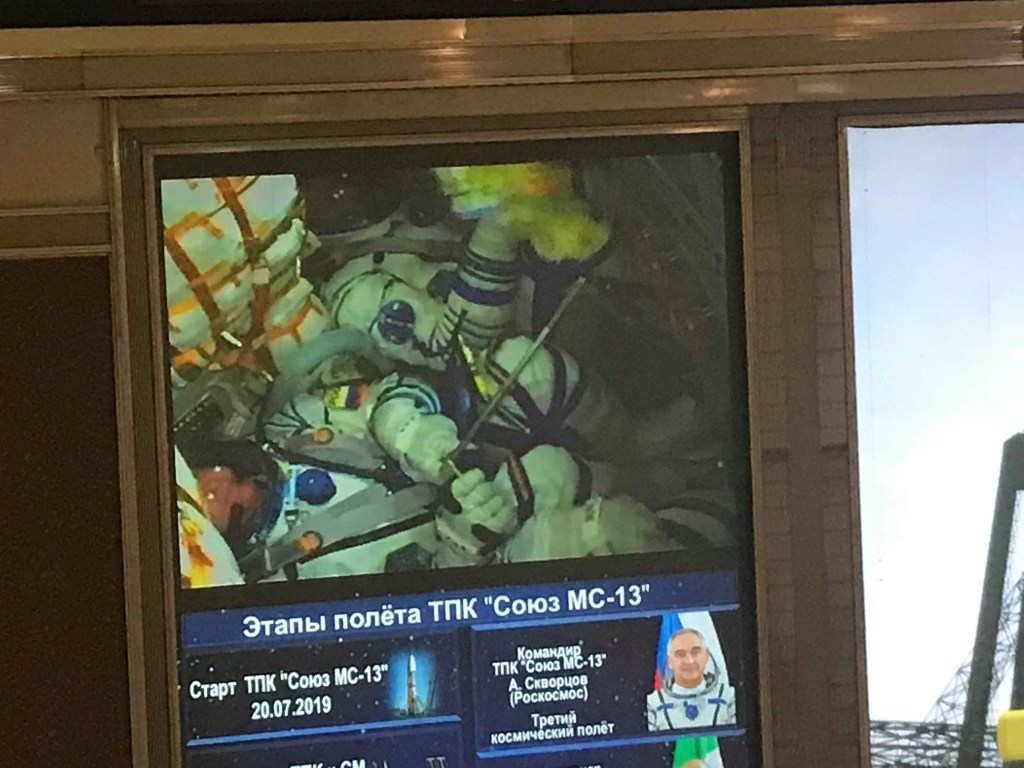
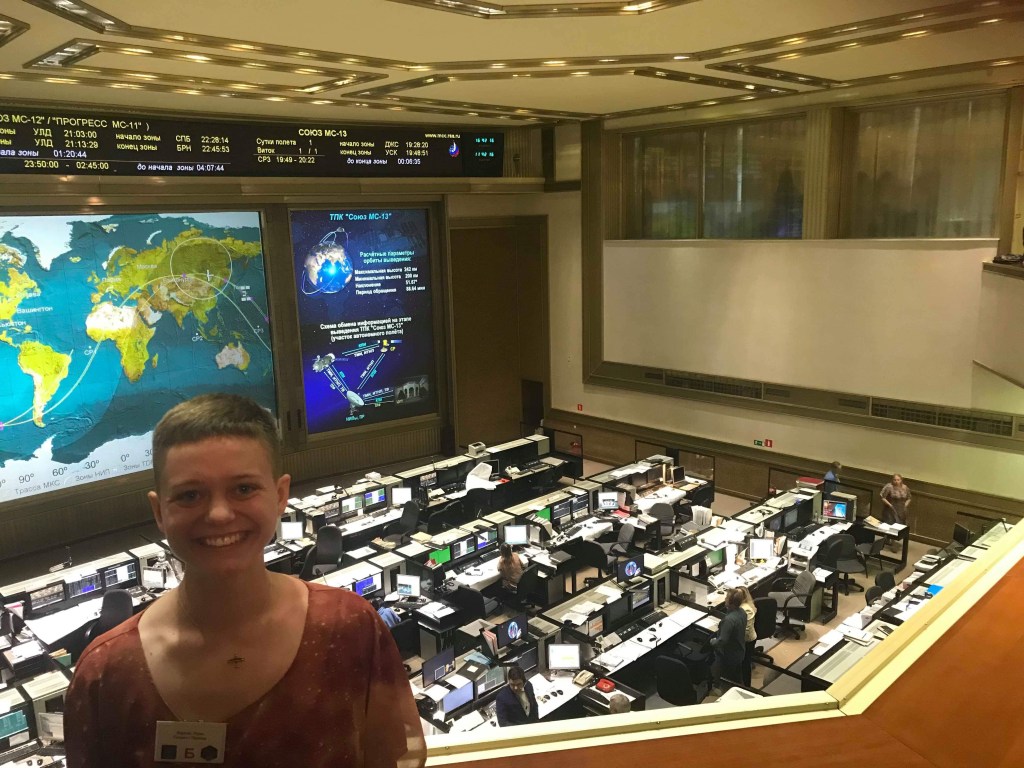
The highlight of my week was watching the launch of Soyuz 59S… from Roscosmos Mission Control in Korolev! The launch carried a Russian cosmonaut, an Italian astronaut, and an American astronaut up for their mission on the International Space Station. Just like launches in the states, the launch controllers displayed live video feeds and animated infographics during the launch. It was much quieter than I expected, though! When I watch a launch with my friends, I’m used to loud cheering and clapping and exclamations. At this launch, it was clear that everyone was excited and eager to see the launch, but people’s reactions were more internalized. Each person there admired the launch in their own way.

I was also so excited to get to speak with NASA astronaut Kate Rubins! In Russian, of course. She spoke and understood Russian very well, and even held a short Q&A in Russian with our tour group. This was my first time interacting with a NASA astronaut in Russian, so it was super cool to see her language level (this is my goal, after all!)

The launch was almost like a pilgrimage for me. In addition to being an incredible experience by itself, the launch coincided with the 50th anniversary of the Apollo 11 moon landing. I have been to Roscosmos mission control once before in high school, nearly seven years ago, for the International Space Olympics. In addition to enthusing over the wonder of human space exploration, the launch was an opportunity for me to reflect and think back on how far I’ve come, and how much I’ve learned over the past years, as an individual, an engineer, and a Russian speaker. As our time in Moscow draws to a close, I’m going to take advantage of every opportunity to keep learning and developing my language skills and cultural aptitude!

Do vstrecha! Until next time!
Piper
“The Days are Just Packed”

I had an absolutely fantastic week here in Moscow. Classes this week started at 10 instead of 9, and it was really nice to have the extra hour of sleep in the morning! We also started learning the tango in our dance class, which has been an absolute ball (I could not resist the pun…) one of the hardest parts about speaking more in Russian is having to change how I communicate my sense of humor. I love making puns, jokes, and word play in English. But, my Russian isn’t good enough (yet) to banter like I do in English. I tried telling a joke to my host family in Russian, and it did not translate at all!

We also got our first test back in our speech development class. The task was to write a composition using key vocabulary words in context. The teacher said that written exams were the best for finding mistakes and misunderstandings with the language. Due to the phonetics of Russian, you could get by making mistakes in speech that would be completely revealed in writing. I wrote a silly story about a town that sold hand-woven blankets from goat wool, and was proud to get a good mark on the exam! In Russia, grades are given 1 through 5, with 5 being the best grade. If you are a “straight-A student” in America, you would be a “pyatorochka” in Russia!

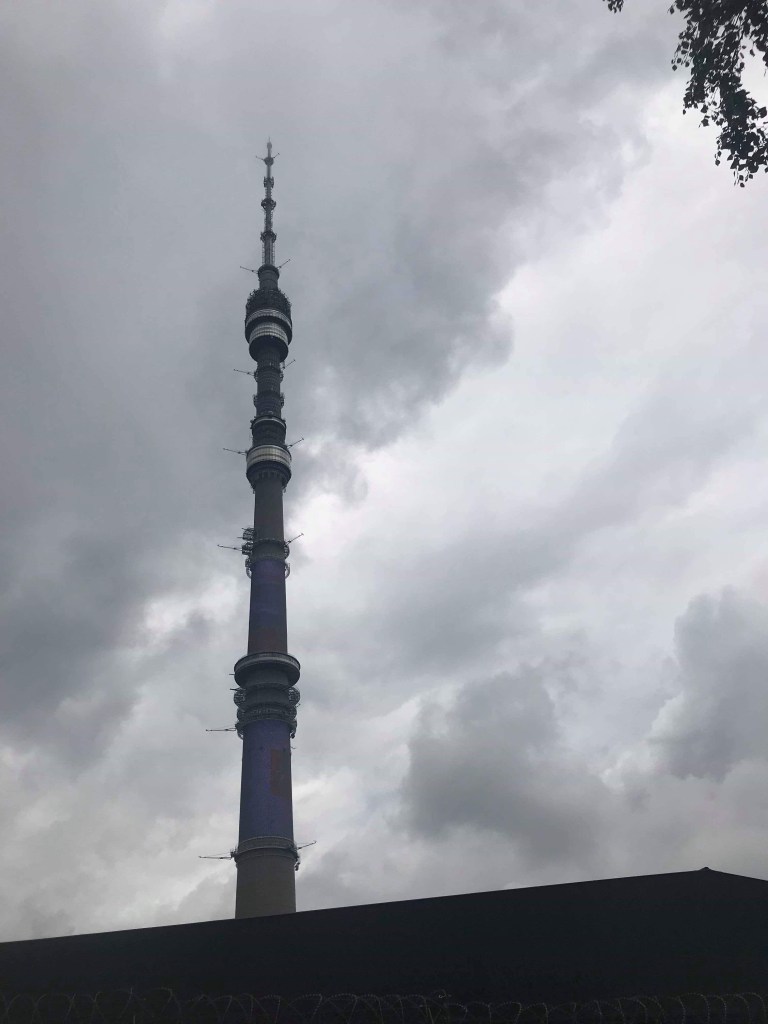
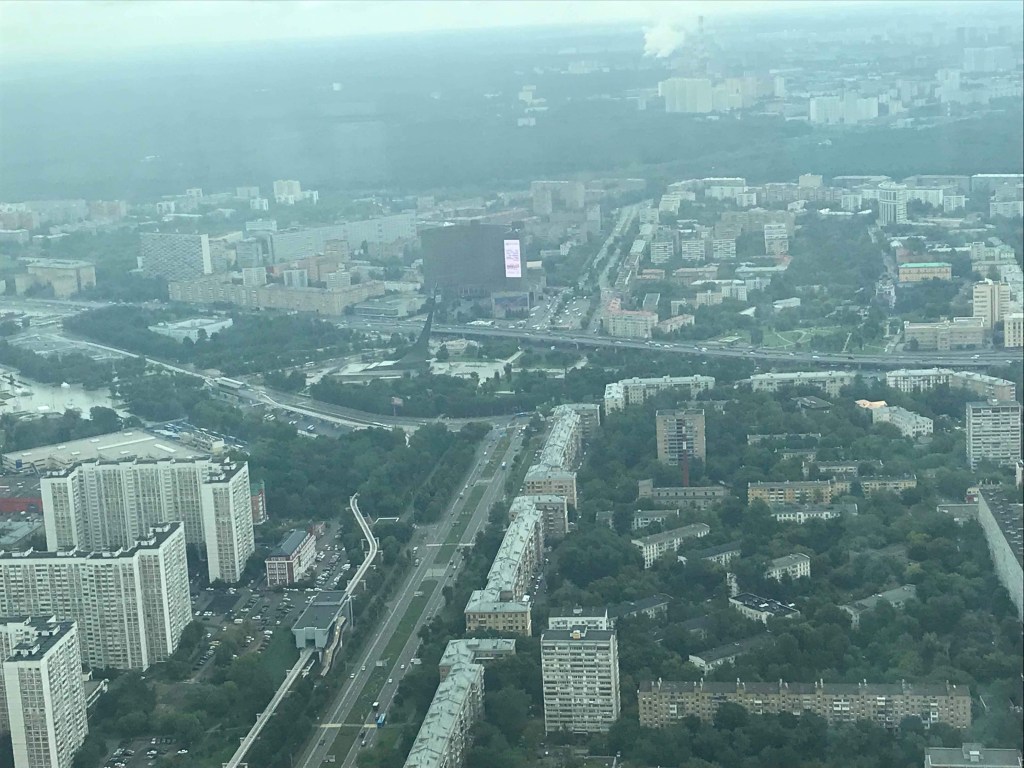
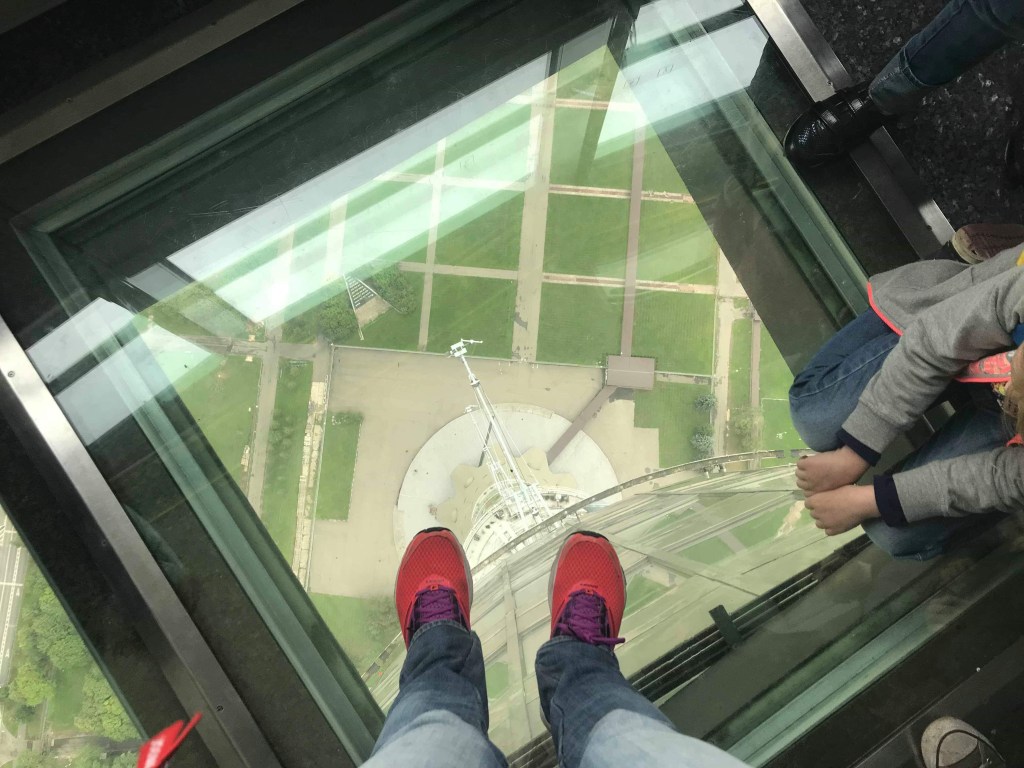
Outside of class, I loved visiting the Ostankino TV tower (telebashnaya). It’s the tallest building in Moscow (and Europe), standing at 1,772 feet tall, and was constructed to honor the 50th anniversary of the October Revolution. We visited the observation deck at about the 1,100 foot mark. The view was stupendous! I couldn’t see the university or my host family’s house (Moscow is huge, after all, and it was a bit hazy), but I quickly picked out the iconic Museum of Cosmonautics. I even got to sit in a rotating cafe and enjoy the view over a cup of coffee and some homework. It was definitely my favorite place to work so far, both for the view and the light Russian conversations in the background.

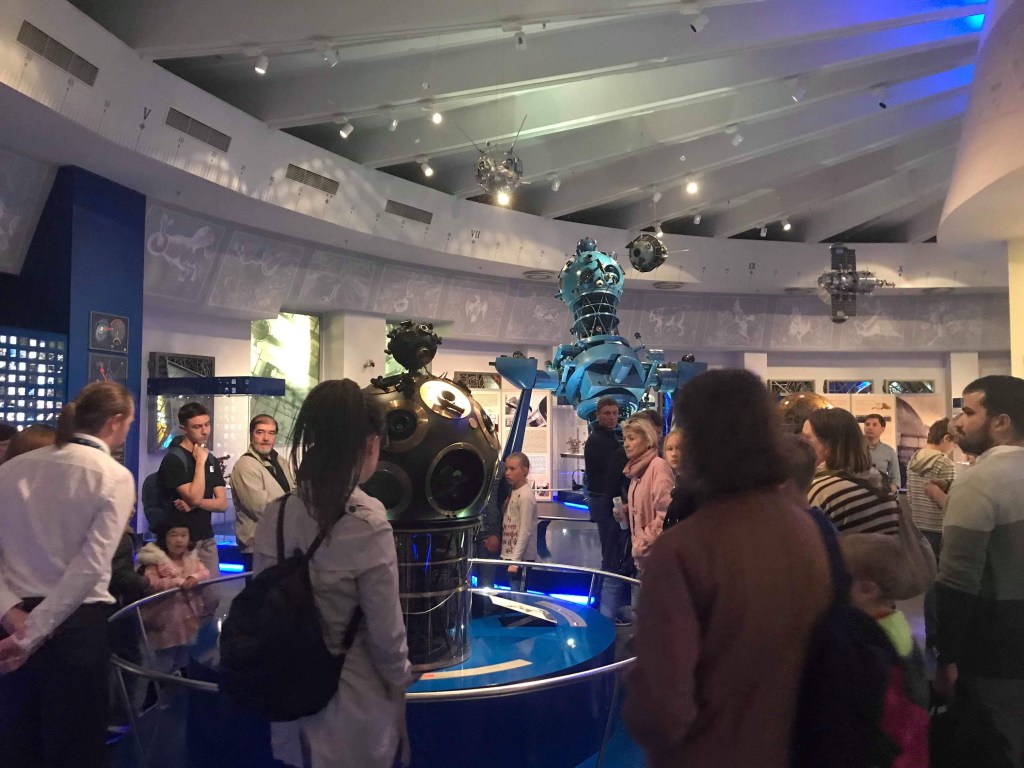
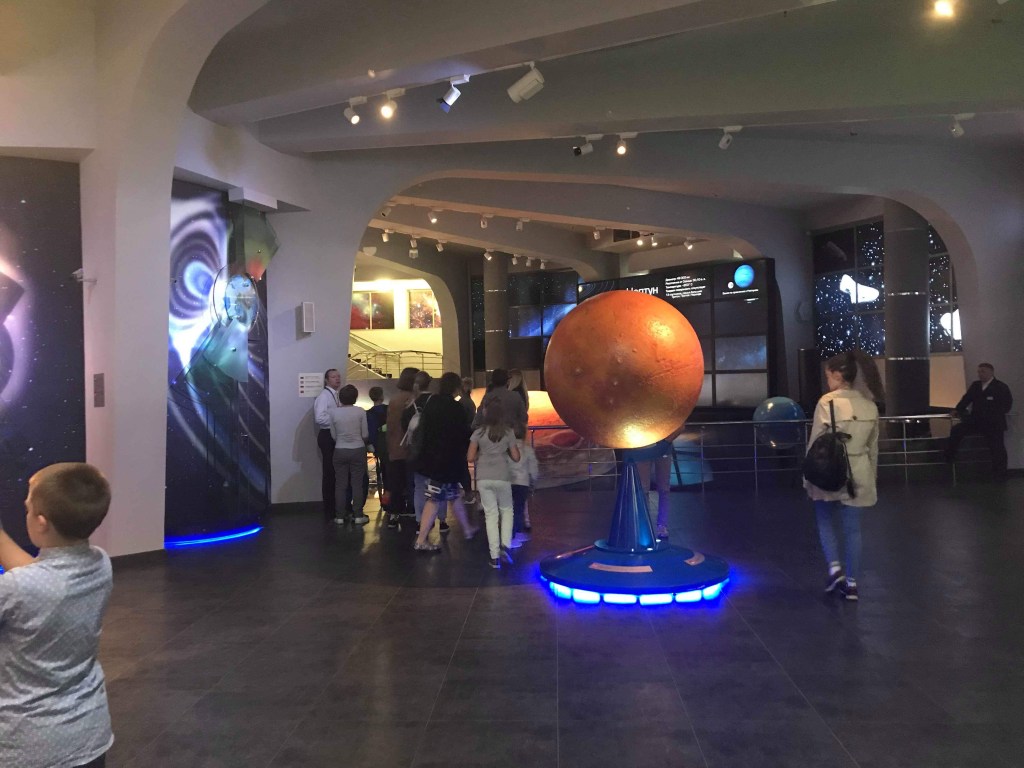
That evening, I treated myself to a show at the Moscow Planetarium. The Planetarium was huge, and included a neat museum with exhibits about the Planetarium itself, the solar system, and space exploration. The show was fantastic. It was a two-part show. In the first part, we went on a “tour” of the night sky (the typical Planetarium show with the beautiful stars!). The second part was a show about the development of our current model of our solar system. Both shows were in Russian, but with a pre-recorded voice rather than the live narrator that I’ve commonly seen at planetariums in the US. I loved listening to the Russian, and picked up some awesome vocab. Fortunately, most of the planets and stars in Russian are cognates, meaning that the Russian word is very similar phonetically to the English word. I especially enjoyed reviewing Venus’ retrograde orbit in Russian!

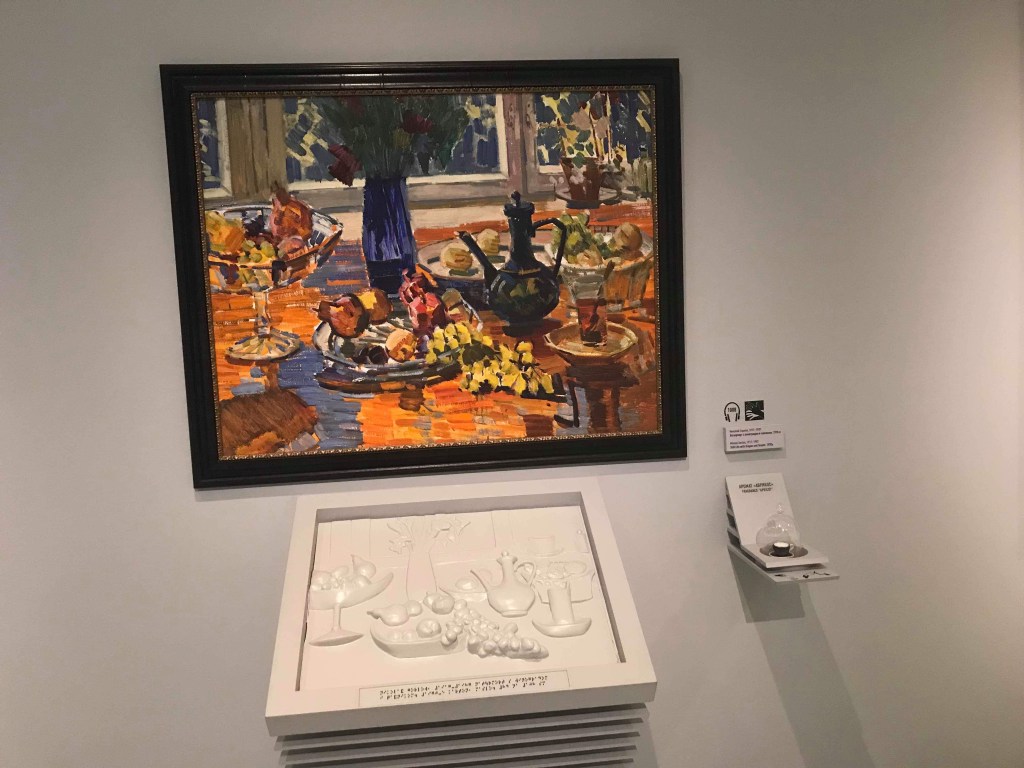
On Saturday, I finally made it to the Museum of Russian Impressionism! There is an American graduate student here studying modern museology, and she organized a fascinating outing for us to the Museum. Beforehand, we learned some Russian art and analysis vocabulary, and discussed some strategies for better engaging with the art. At the museum, we discussed what strategies the museum used to make its exhibits more interactive and engaging. This museum in particular was a small private collection of art from Russian Impressionism. Many art pieces were accompanied with a little glass jar containing an associated “scent” of the painting. For example, a still life of fruit was accompanied by the scent of apricots (a very popular fruit here in Russia). Other paintings featured a 2D carved rendition, for people to interact with the art in a tactile manner. The museum also did a great job of having both Russian and English texts available. They had some neat technology exhibits to learn about different tools for creating art, and their audio guide was even an app that you downloaded onto your phone. All in all, I really enjoyed the trip to the museum, and I’m glad that I had the chance to learn more about the academic approach to museums, with a focus on language learning.

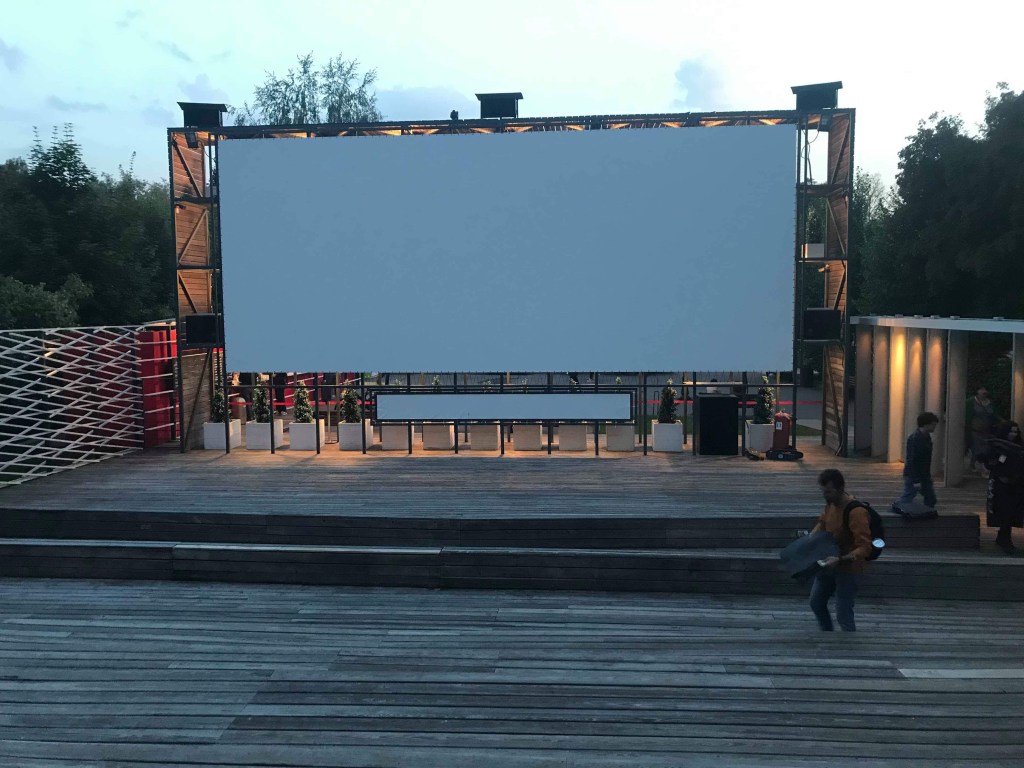
That evening, I went with some friends to see the new Spider-Man movie, at the outdoor theater in Gorky Park! The movie was fun, and I really loved the outdoor theater. The weather was fantastic, too. (Moscow weather in the summer is very unpredictable. You cannot trust the forecast! It’s been cold and rainy recently.) normally, when you see an international movie in Russia, you can see it in the original language with Russian subtitles, or dubbed into Russian language. There is a whole huge industry behind dubbing movies into Russian, and just like the same actors are hired for a movie series in Hollywood, the same Russian actors are usually hired to dub movies in the same series. This movie was shown dubbed in Russian. While I didn’t get a lot of the jokes and nuances of conversation, I was able to follow the main plot easily enough! Fun fact, in Russian, Peter Parker is called Chelovek-Pauk, Man-Spider!

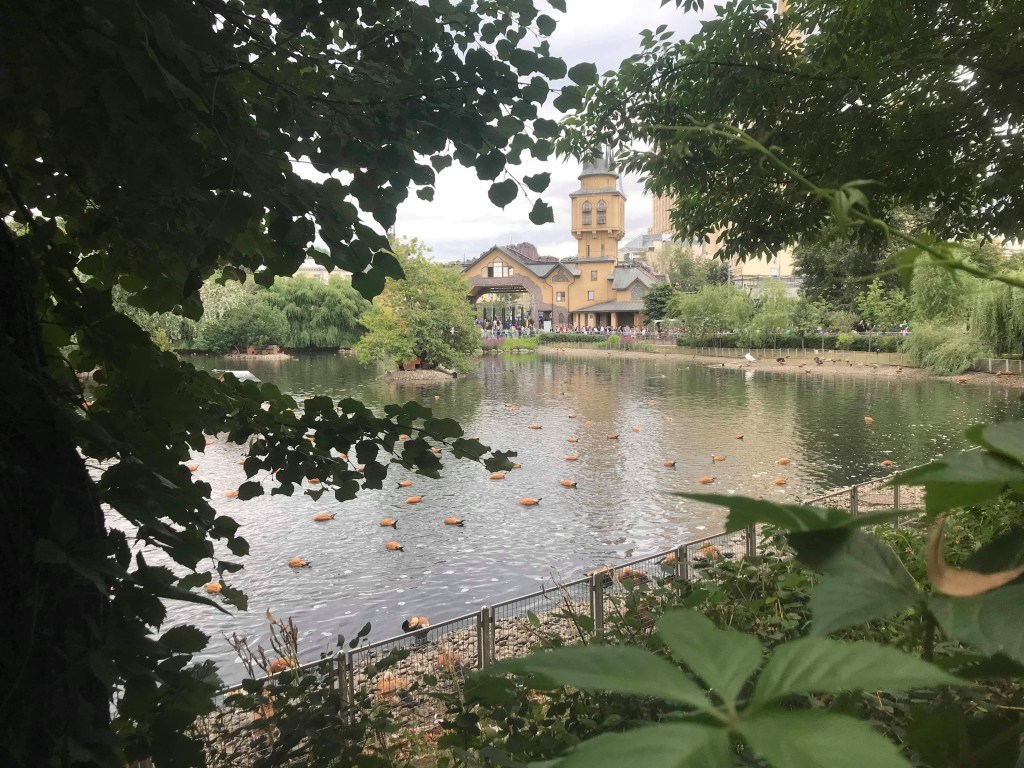
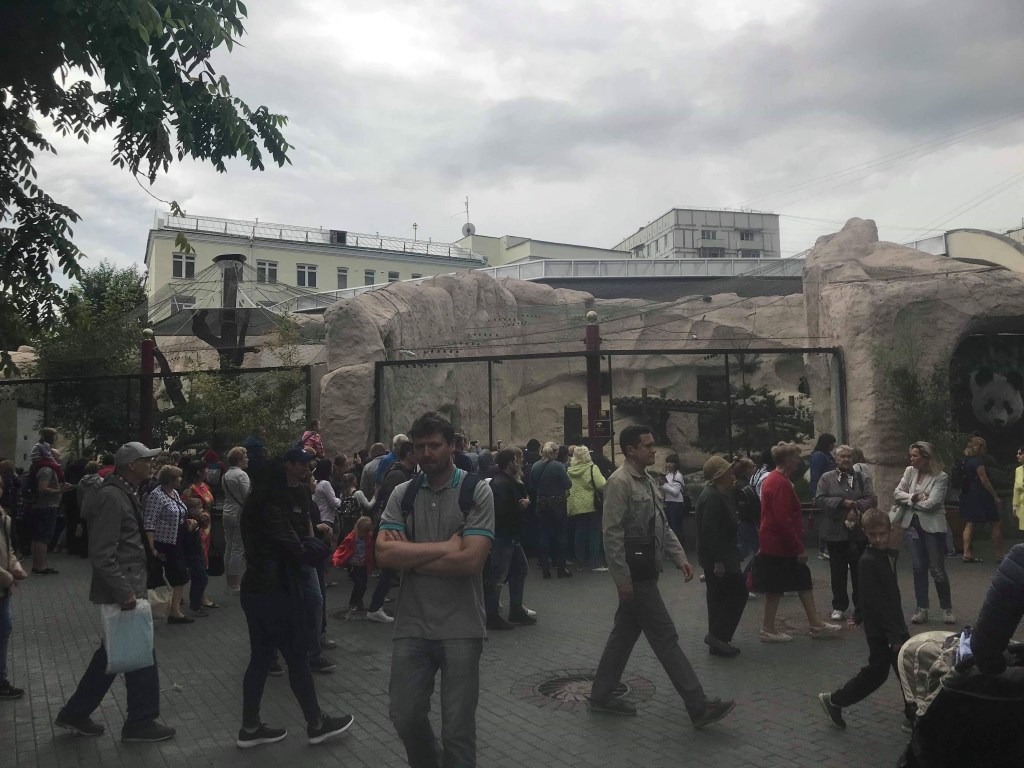
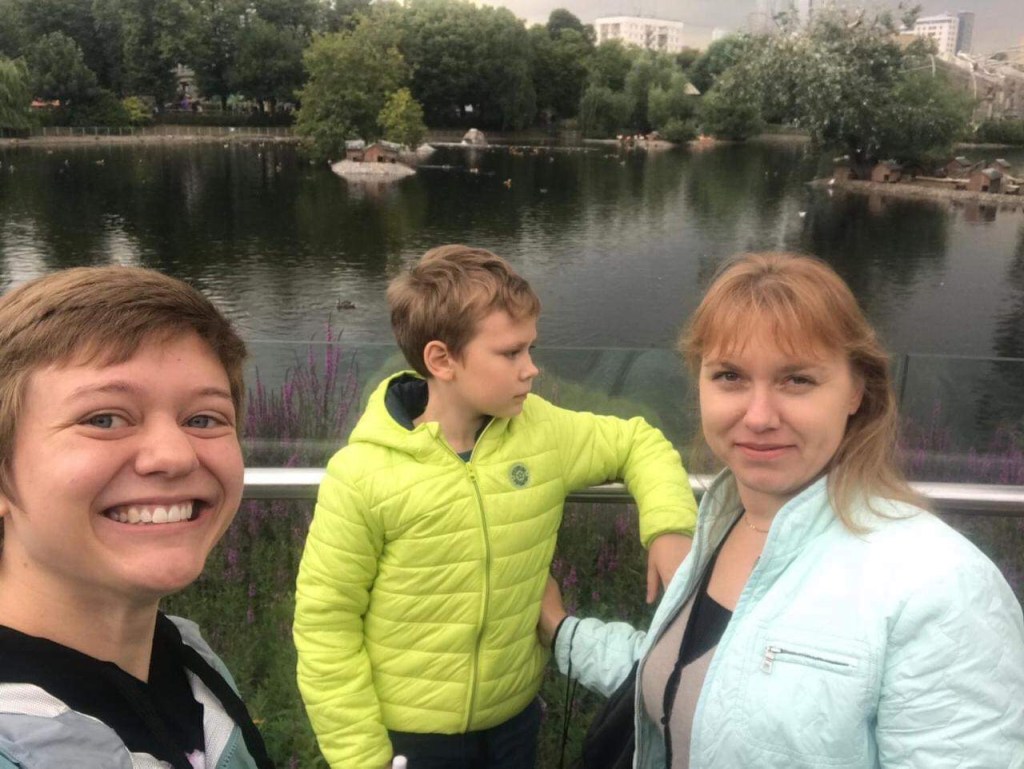
Sunday was very relaxed. I got to go to the zoo with my host mom and my younger host brother! It was so fantastic! The zoo was very popular, decent-sized, and clean. They had all the classic animals (lion, tiger, giraffe, elephant), plus some fun ones I’d never seen before (musk ox, tapir, and a vulture with the largest wingspan I have ever seen). We got lunch at a fun cafe in an old brick building nearby. Then, I spent the rest of the day at home with my family, doing homework and hanging out.

My host mom even taught me how to boil chicken. I’ve never boiled chicken before, and was a bit skeptical at first, but it was very tasty, and seems to be a popular way to cook chicken here. I was excited the other morning to cook “eggs, American style” for my host mom and brother. It was pretty simple for me – an egg fried hard with some cheese on top – but my host brother had never had cheesy eggs before! I’ll have to make scrambled eggs with cheese next time, or some classic American Mac ‘n cheese!

Do svidaniya,
Piper
P.S. title credit goes to the inimitable Bill Watterson, creative mind behind Calvin and Hobbes. I’ve even found a Russian translated version of Calvin and Hobbes here!

To Tourist or Not to Tourist

Hello all! Privet vseh!

Time really flies – we are already halfway through our time here in Russia. Classes are going really well. It’s interesting to look back over the past few weeks and notice how I’ve grown more comfortable and confident in my classes. I feel much more confident speaking up or asking questions in class, and much less worried about making mistakes. Sometimes, I still feel a bit of imposter syndrome that I was placed in too advanced of a group. I think that’s a normal part of language study, and I just remind myself that everyone has their own strengths and weaknesses when it comes to learning language.
I particularly enjoy phonetics class and speech development class. One of my language goals this summer is to improve my conversational Russian, and in these classes I have the most opportunity to engage and speak in Russian. Plus, the teachers are very engaging and interesting. In general, the academics here are pretty different than in America. The biggest differences are in the interactions between the students and the professors. The relationship between a student and a teacher is more professional, in that the hierarchy feels more pronounced. At the same time, the relationships feel more personal, because the class sizes are very small (4-6 people), and the professors make strong efforts to get to know each student individually. Russian teachers also tend to go on tangents. We might start class discussing Russian migration, and end up learning how different prefixes change the nuanced meanings of the verb “to sew.” At first, it was tough to see the benefit of such tangents, but I’ve come to find them very interesting and a great vocabulary-building and culturally-enlightening exercise. In this sense, Russian classes are less organized or structured than American classes. There is no such thing as a “syllabus” in Russian classes- the professor will tailor the class along the way to suite the needs, interests, and learning of the students. Performance is judged not against an absolute scale, but in terms of progress and improvement.

Outside of class, I enjoy trying to blend in with the locals – not smiling at strangers, walking purposefully through the metro, and abstaining from taking pictures of everything I see! Each day, I feel more and more adjusted to Moscow life. I can now ride the metro without holding on to the handrails, and can pick out the tourists who stand still on the left hand side of the escalator, instead of the right.

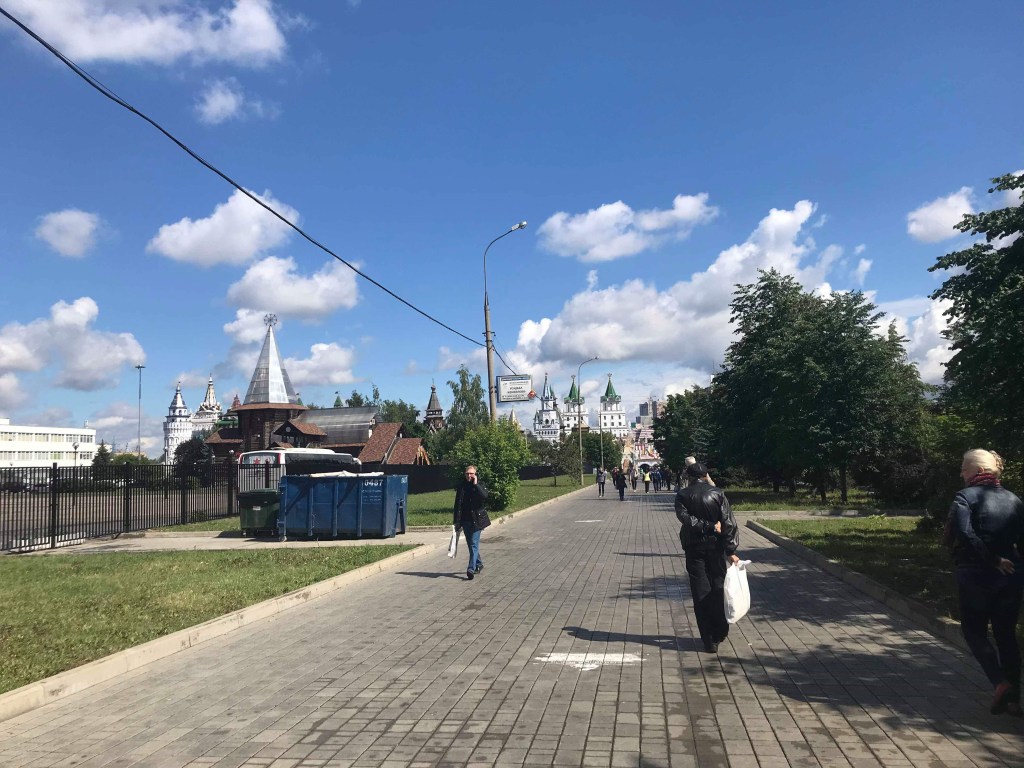
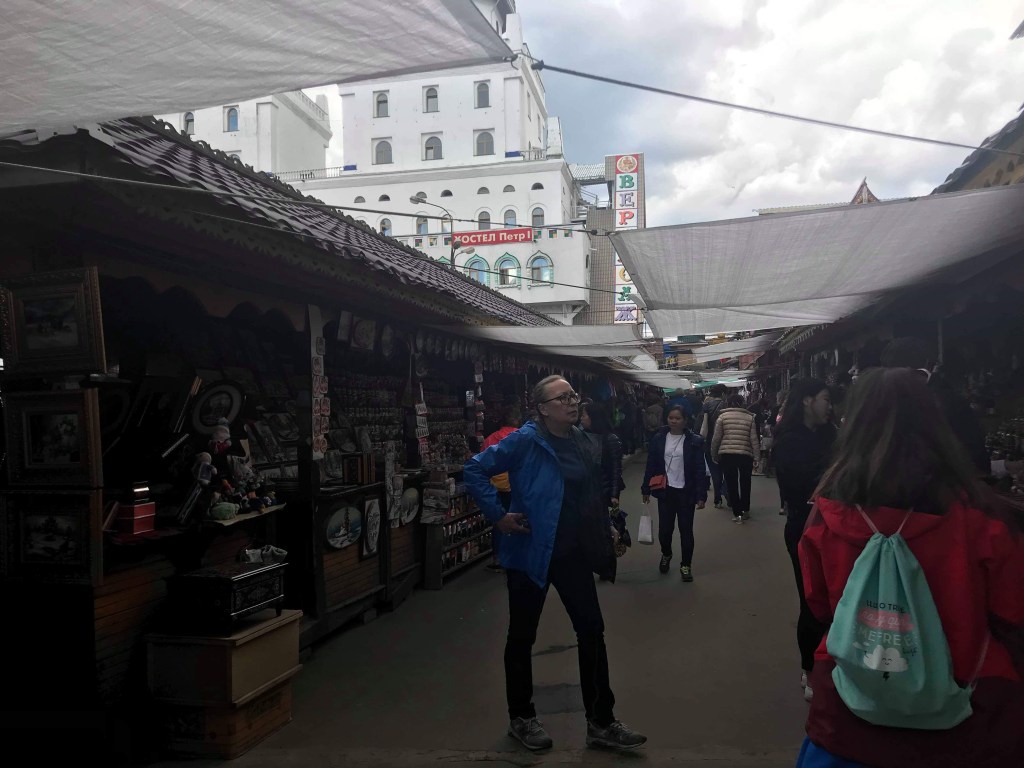
But, sometimes, I still like to be a bit of a tourist! This weekend, I channeled my inner tourist at the Ismailovsky Market. Towards the outside of the Moscow ring, there is a huge market inside of a very stereotypical, traditional Russian-style “town.” There, you can find everything from cheesey themed matroshkya dolls, army surplus, old religious icons, Soviet antiques, and hand-made crafts. I think the most interesting thing I saw were hand-knit socks… made from dog wool! Supposedly, it’s even warmer than goat or yak wool. I tried my hand at haggling, but I’ve never been very successful at bartering, even in English. The market was absolutely packed with both Russian and international folks, and it felt a lot like organized chaos! I wandered through the stalls for several hours, and I didn’t even manage to see everything there.

After buying some souvenirs, I sat by Patriarch’s Pond to sketch and do some homework. One of my favorite pastimes is to sit in a park, read, sketch, study, or even just people-watch. It’s a great way to observe Russian culture and pick up conversational/colloquial Russian phrases. Patriarch’s Pond is an especially popular site with Russians. (If you are familiar with Russian literature, Patriarch’s Pond is the setting for part of Bulgakov’s novel, The Master and Margarita. I especially like to sit there because I feel like I’m stepping back into a historic piece of Russian culture!).

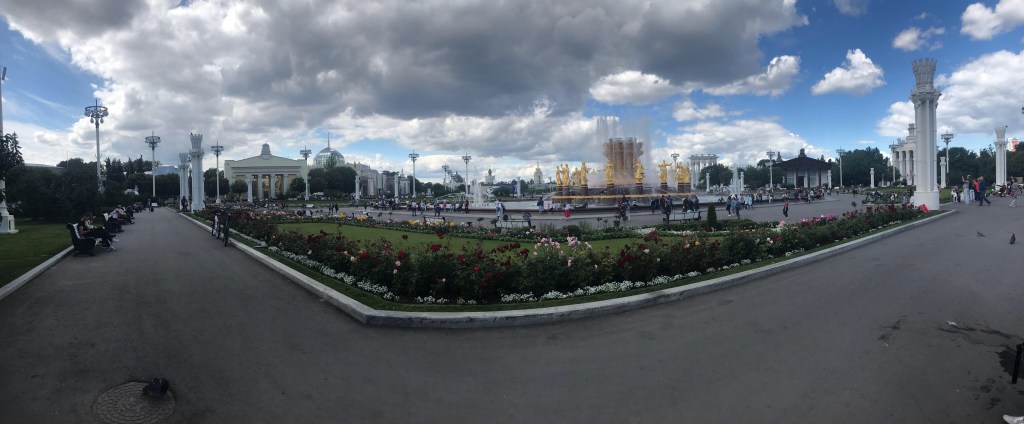
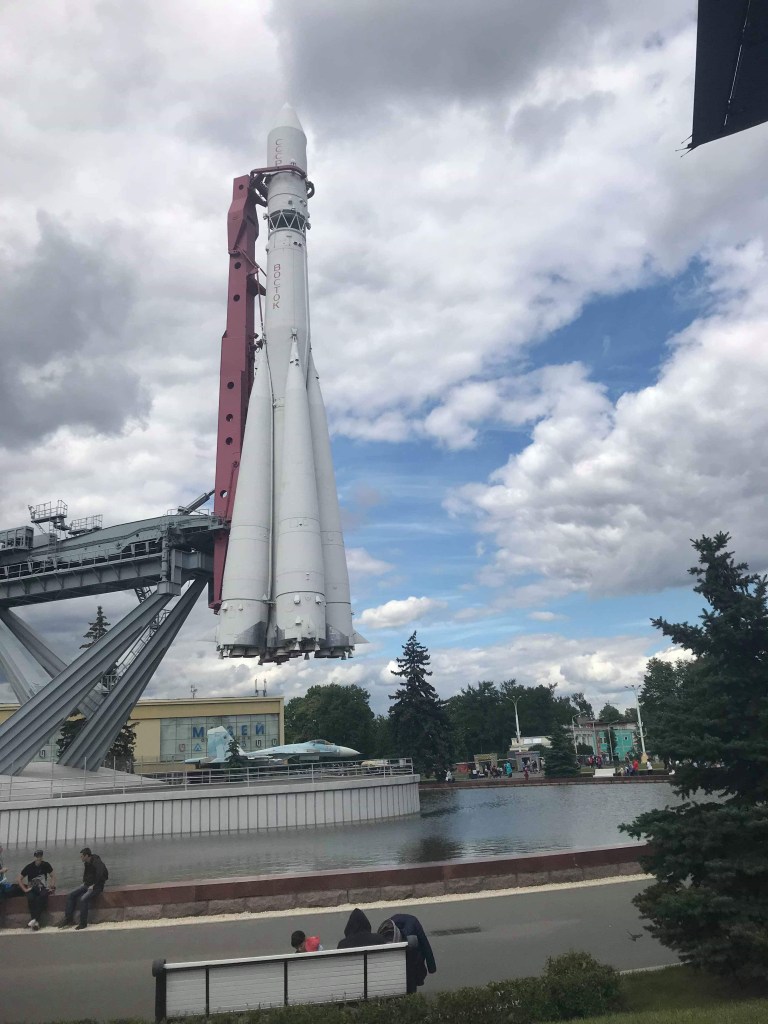
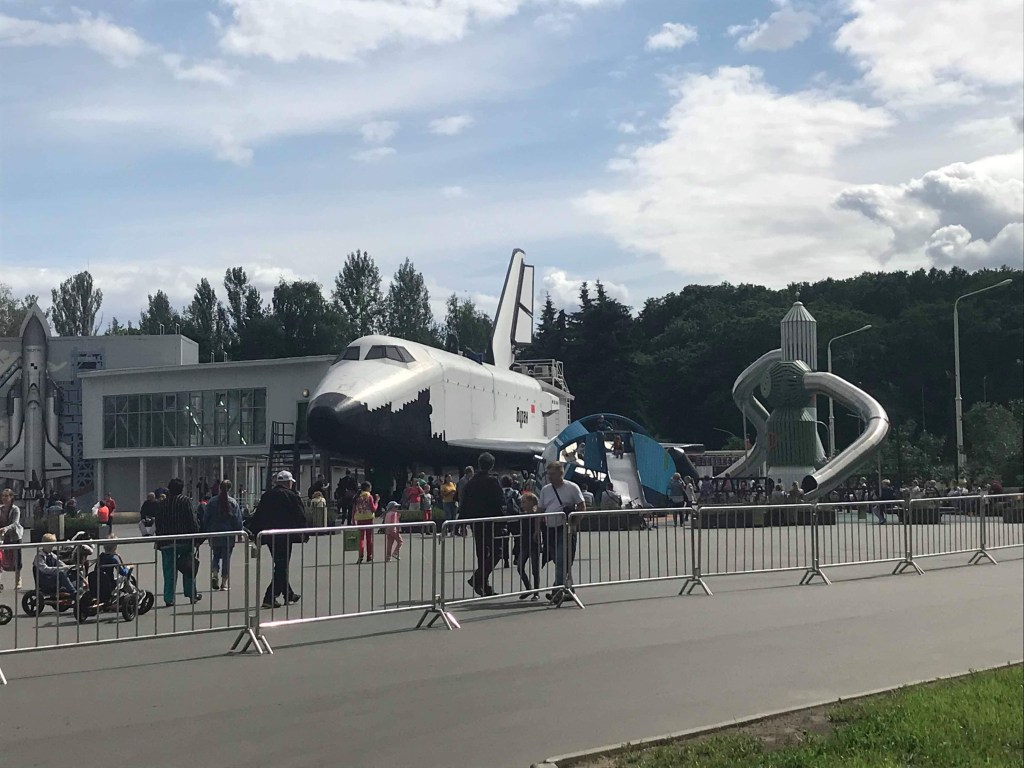
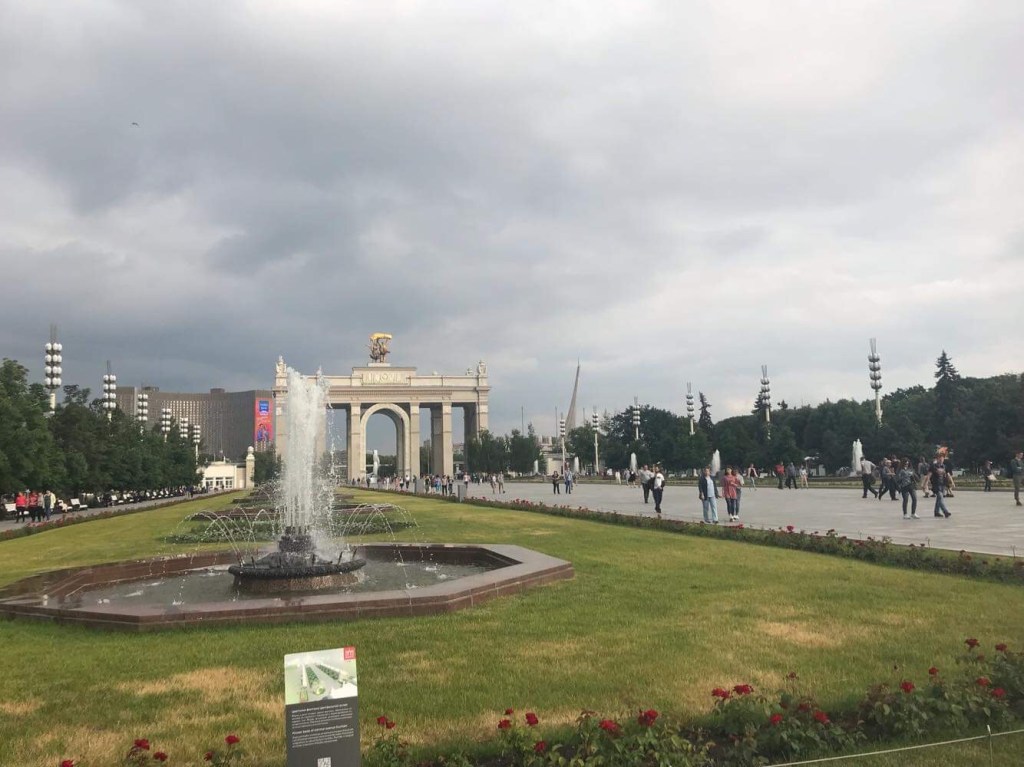
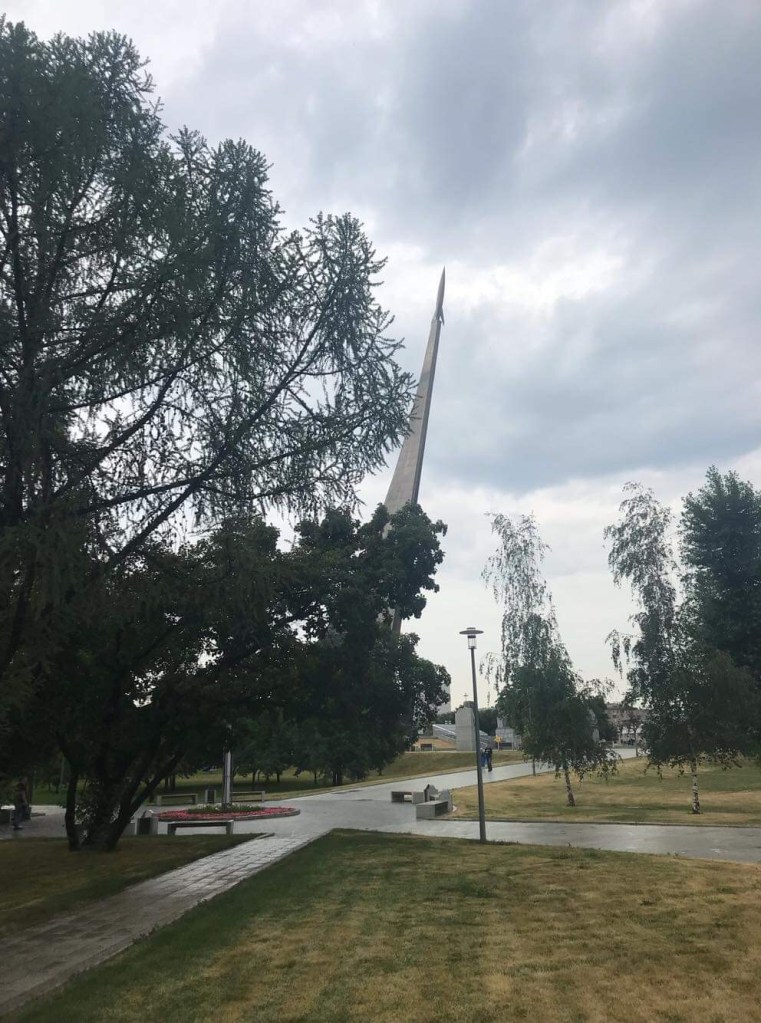
I also really liked exploring VDNKh, the huge fair/expo/museum in the north of Moscow, by the Museum of Cosmonautics. It reminds me of the Smithsonian in DC. I enjoyed some beautiful fountains, stumbled upon a Belorussian market, and, of course, managed to find some spacecraft!

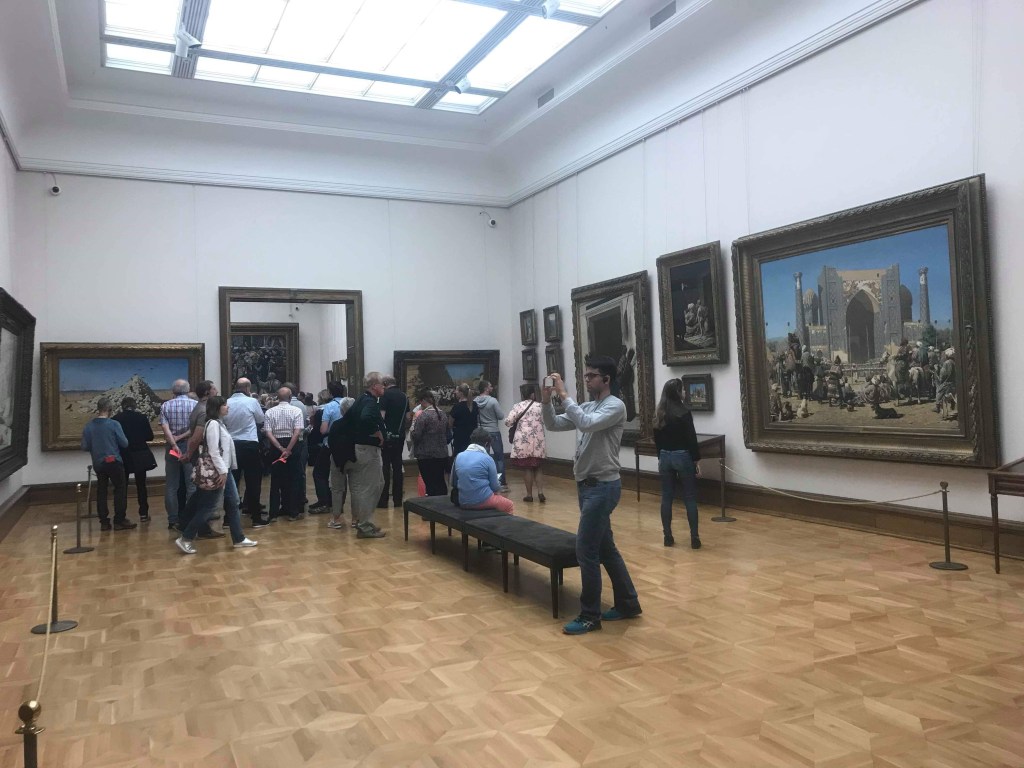
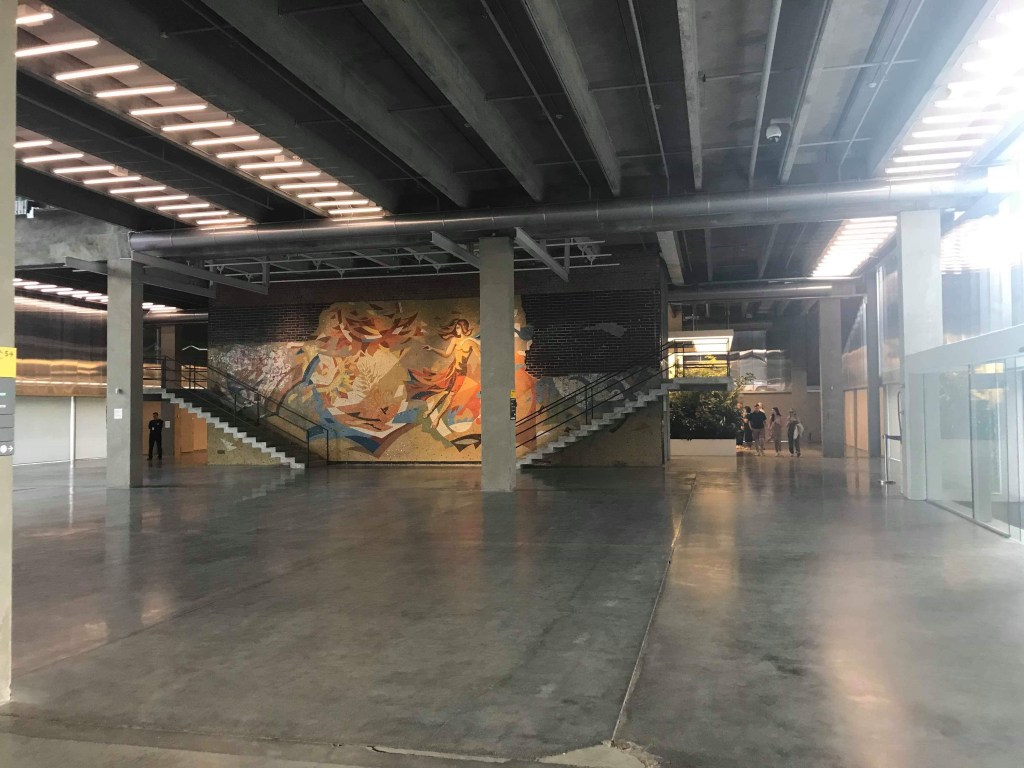
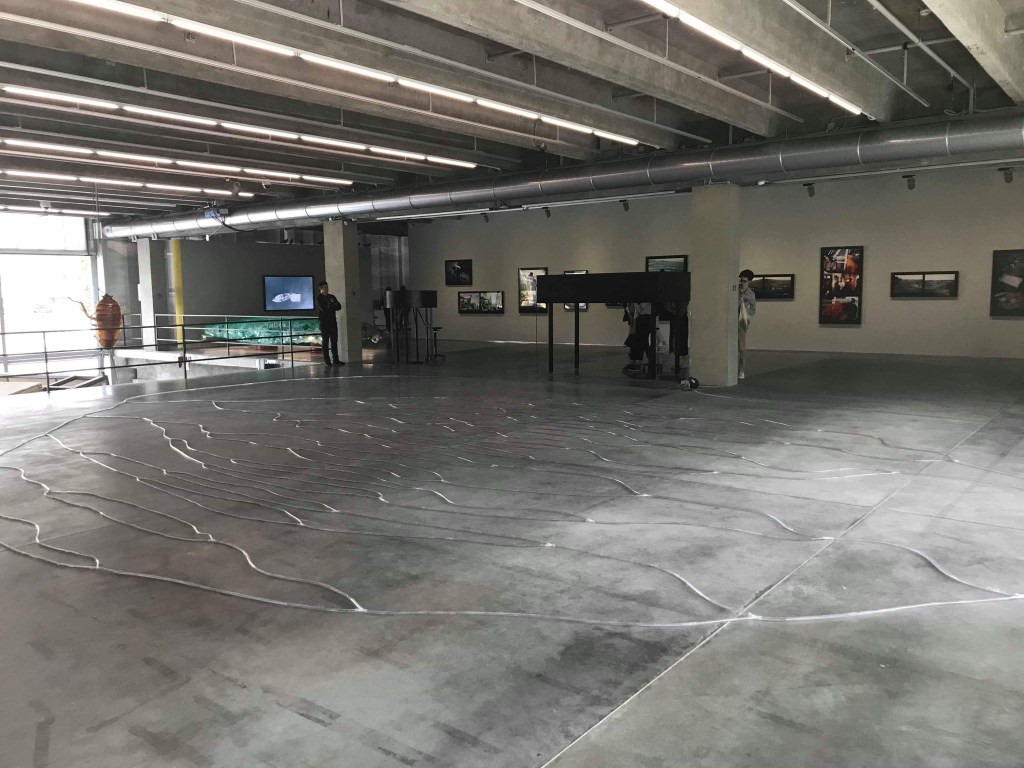
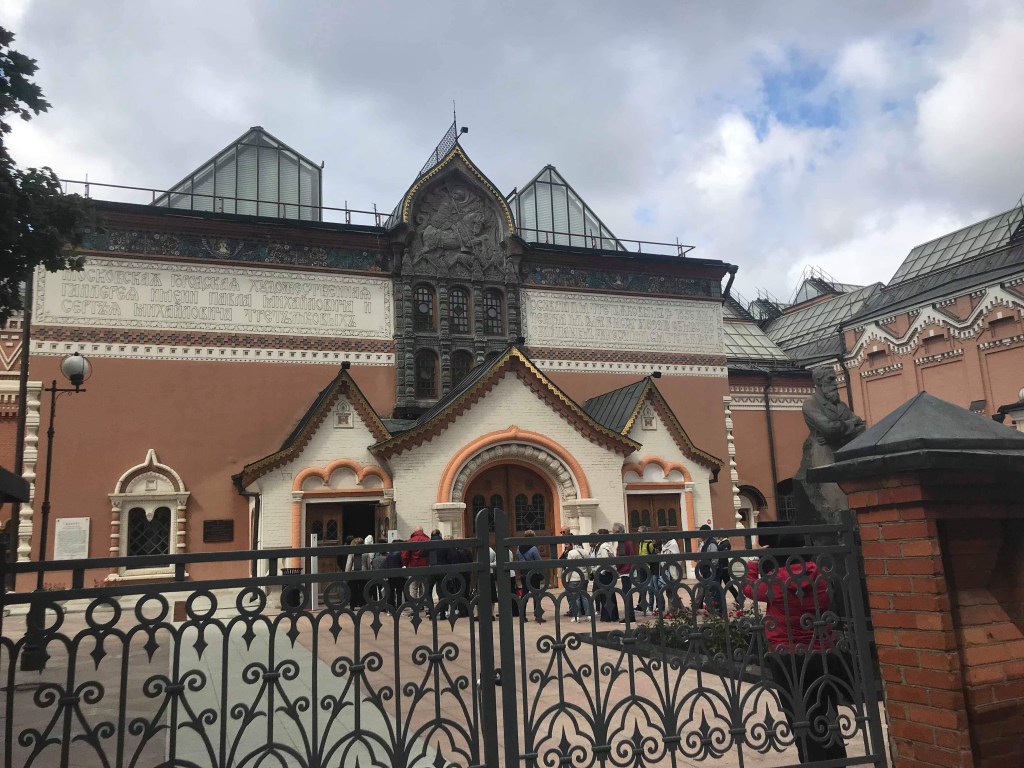
This weekend, I also loved visiting two very different galleries: the famous state Tretyakov Gallery, and the GARAGE Museum of Contemporary Art. The Tretyakov Gallery was cool to see, but I must say that I preferred GARAGE. Tretyakov focused more on portraits and older art periods, and I find myself more interested in Impressionism. I found Levitan’s works beautiful- up close, they looked like paintings. But far away, they were as realistic as photographs. GARAGE’s current exhibition focused on ecology and protecting our Earth. I really liked one piece, that asked visitors to “vote” for the Russian water resource they thought most important to protect. Next week, I hope to visit the Museum of Russian Impressionism!

In th evenings, I love spending time with my host family. They have been so welcoming and good to me! My little host brother taught me some Russian card games, and I taught him Go Fish – he loves it! Most evenings when I come home, I’ll eat dinner and drink tea in the kitchen with my host family and talk. Then, sometimes we’ll help my host brother practice reading or memorizing multiplication tables, listen to Detskiy Radio (Children’s Radio), play 20 Questions with cities around the world, or just talk and drink more tea! Once, my host mom told my host brother to sit politely at the table because they had a guest (me). My host brother goofily responded, “She’s not a guest, she’s here every day!” It made me smile and feel right at home!

Do vstrecha, until next time,
Piper
Rockets, Airplanes, and Tanks

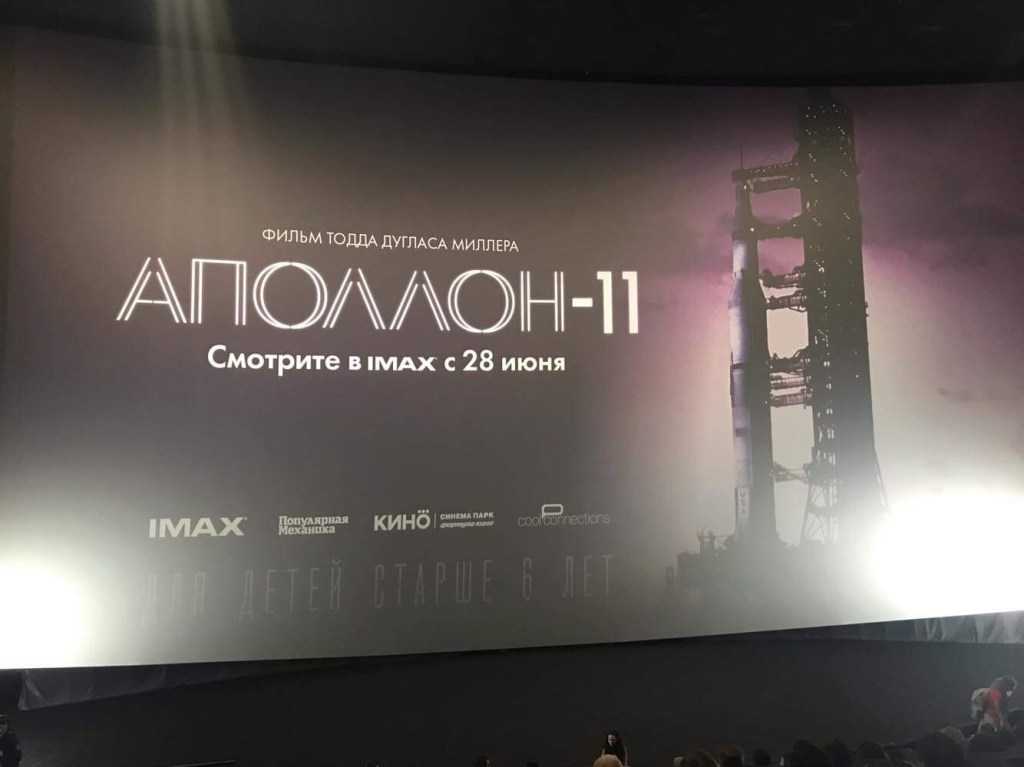
Even here in Moscow, I’ve found it so easy and fun to stay involved with my more technical passions. Last week, I had the incredible opportunity to attend the premier of the American movie Apollo 11 here in Moscow. The movie was shown in the original English with Russian subtitles, so it was a great vocabulary exercise. I especially found it interesting that, where an American launch operator might say “copy that” to affirm a message or “all systems nominal” to verify the status of the flight, a Russian operator would respond with “understood” or “ready.” I think it demonstrated a key difference between Russian and English conversational language: English tends to use more words than Russian language.

The movie itself was fantastic. The theater showed it in IMAX, and it was much like an American theater with very comfy seats and a full array of over-priced snacks. The movie-going crowd was very diverse: everyone from 5 year old kids to professional Russian tech bloggers were present, and many folks were decked out in “space swag.” After the film, there was a discussion with several of the aforementioned tech bloggers, and NASA’s technical liaison to Roscosmos! It was fascinating to hear different perspectives and ideas on the benefits of human space exploration versus robotic exploration, future moon landings, and international collaboration and competition in space.

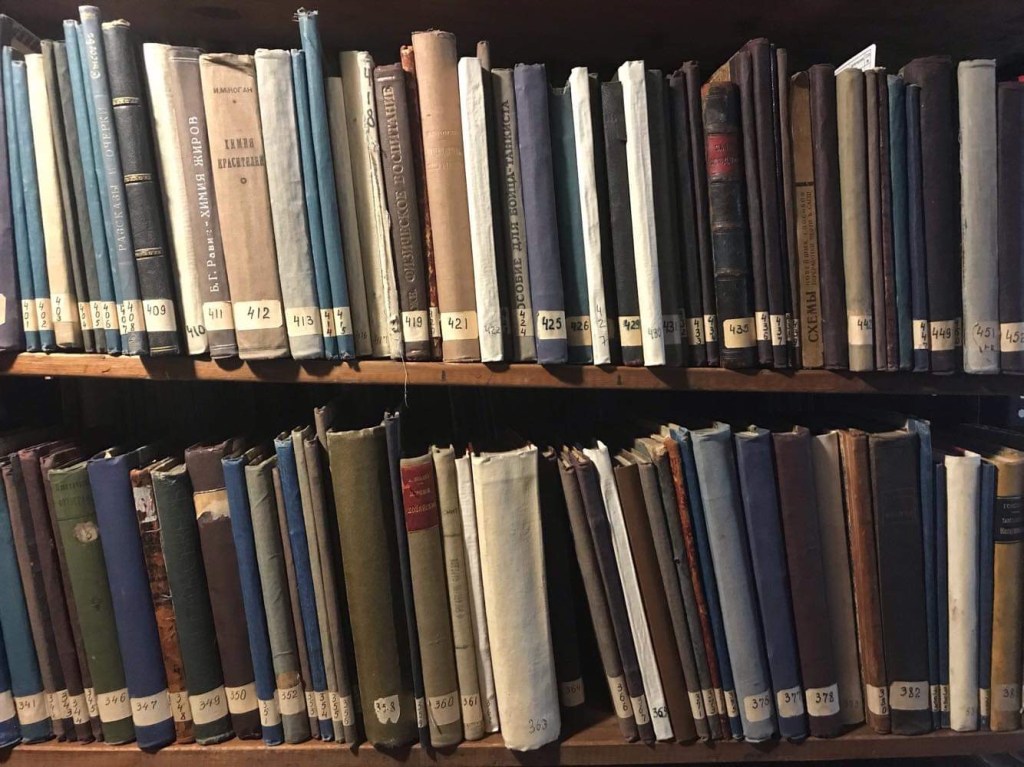
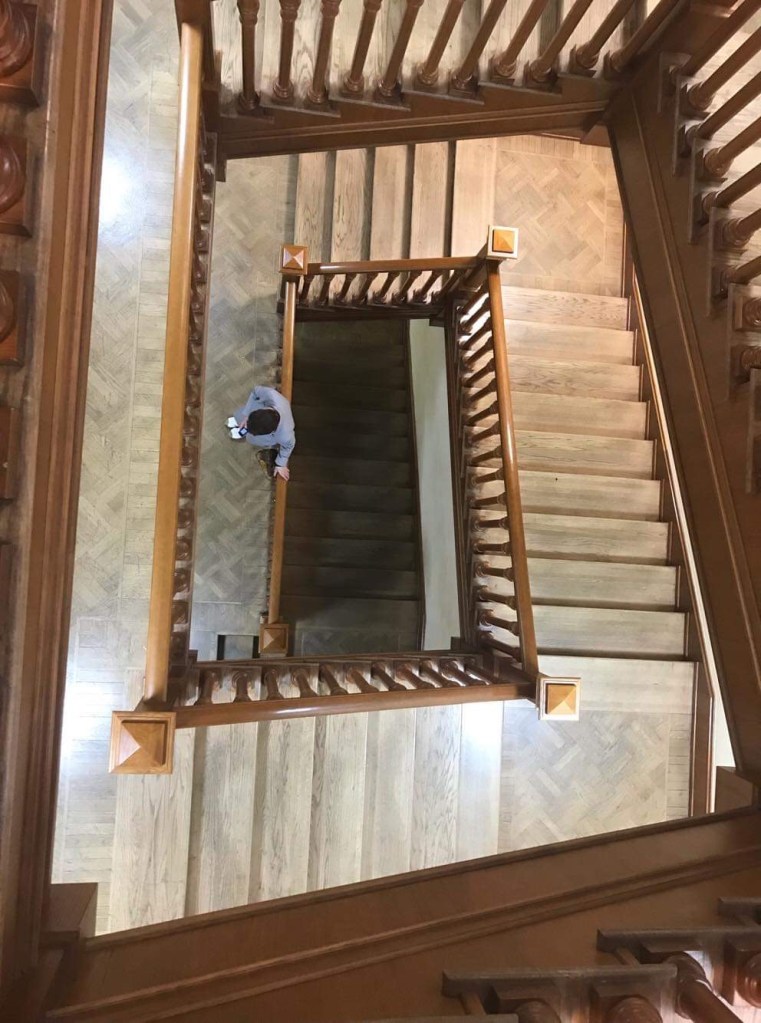
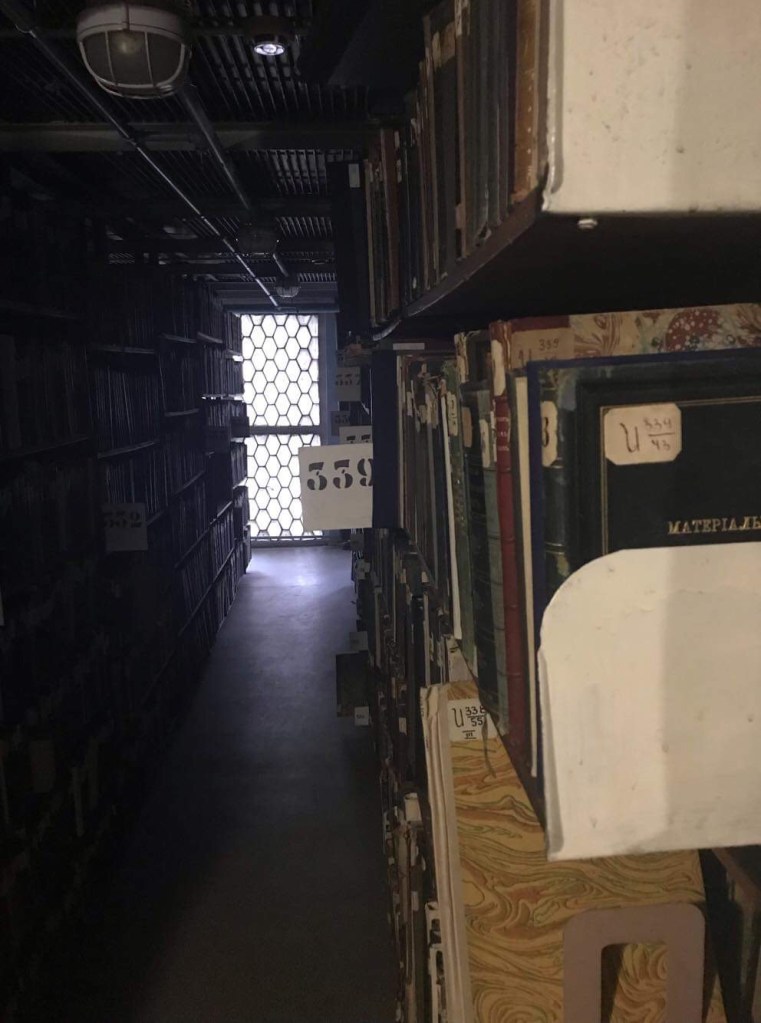
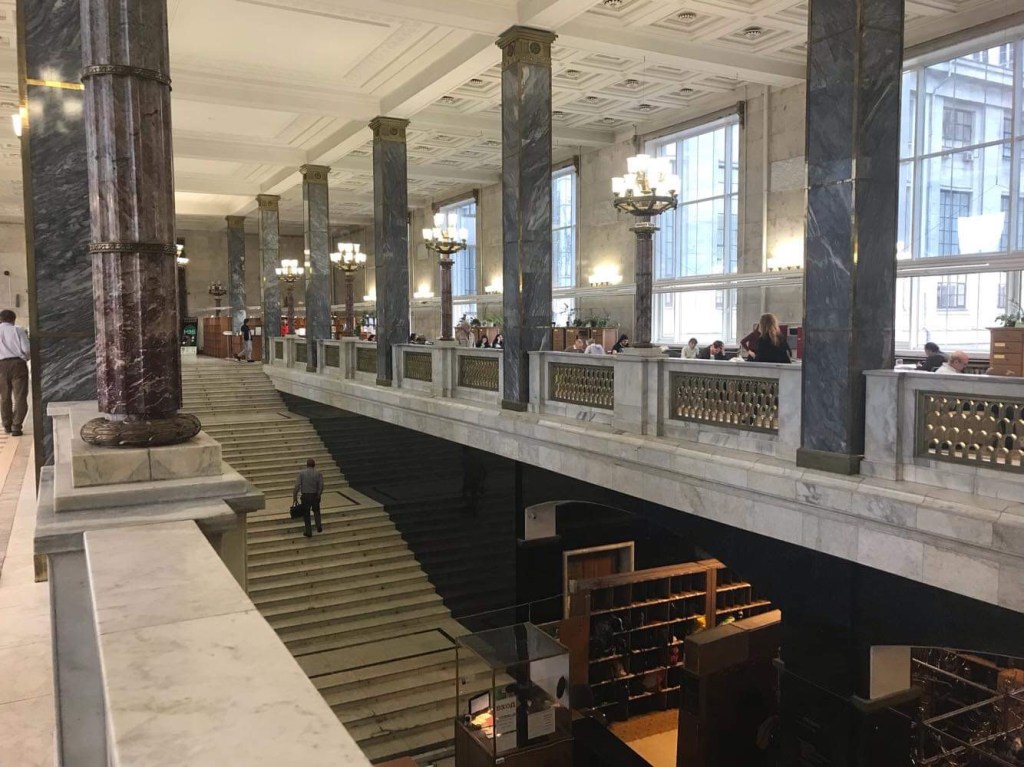
I also had the awesome opportunity to take a behind the scenes tour of the Russian Lenin State Library. It was so cool to see their system of organization, and mind boggling to walk through row after row of catalogues and antique books. One interesting difference is that many books cannot be checked out from the library, and that readers often need to consult a library for help with retrieving a book. There were many beautiful reading halls were library goers could enjoy their books, meet for classes, or use public computers.

Another favorite experience this week was attending the concert of a local musician, Kira Lao. Her concert was more like performance art than just music- she was very emotive and enhanced her songs with custom designed costumes and dancing. It was a bit experimental, and just outside my typical music taste, but I really enjoyed how she conveyed emotion and addressed current social issues in Russia through her songs. Afterwards, my group had the chance to talk with her, and hear about her life as a musician in Moscow, her inspirations, and her creative process. I saw her as a very determined, hard working, creative, and passionate young lady.

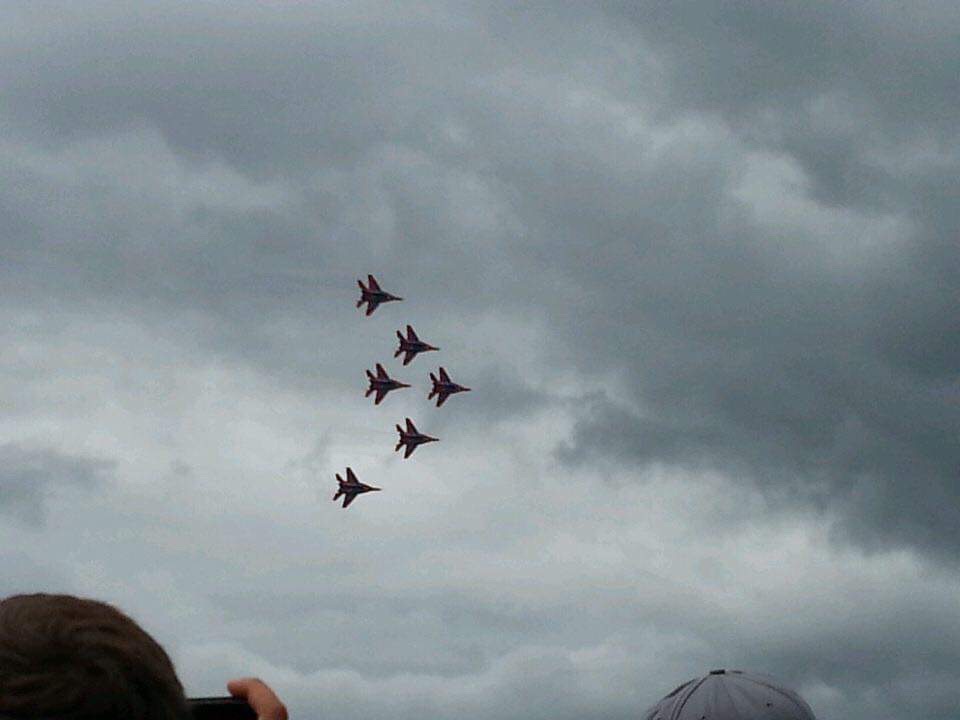
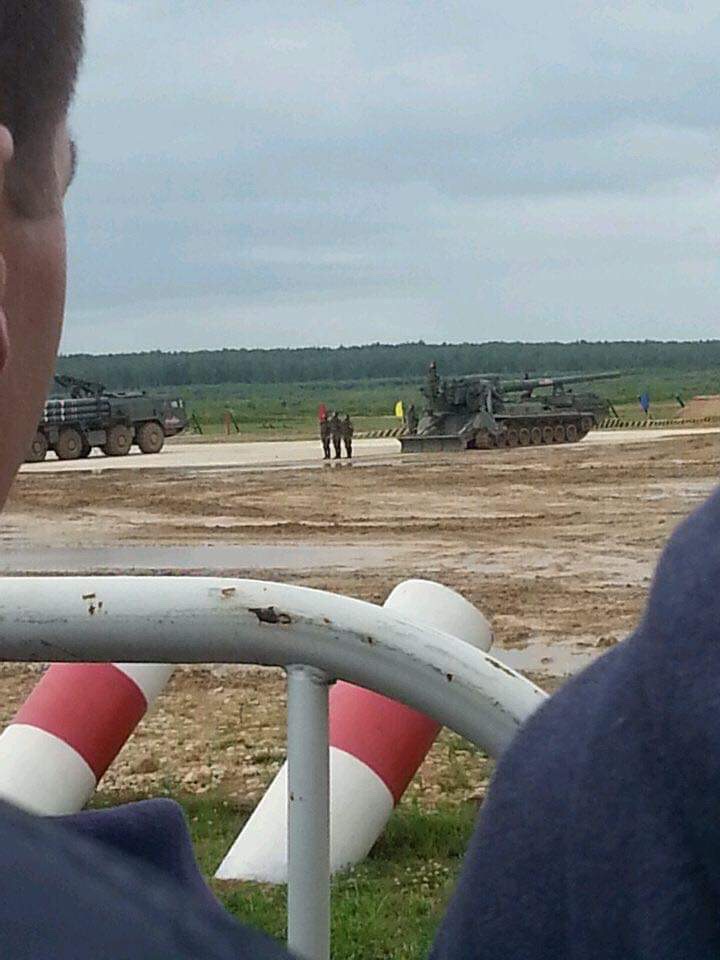
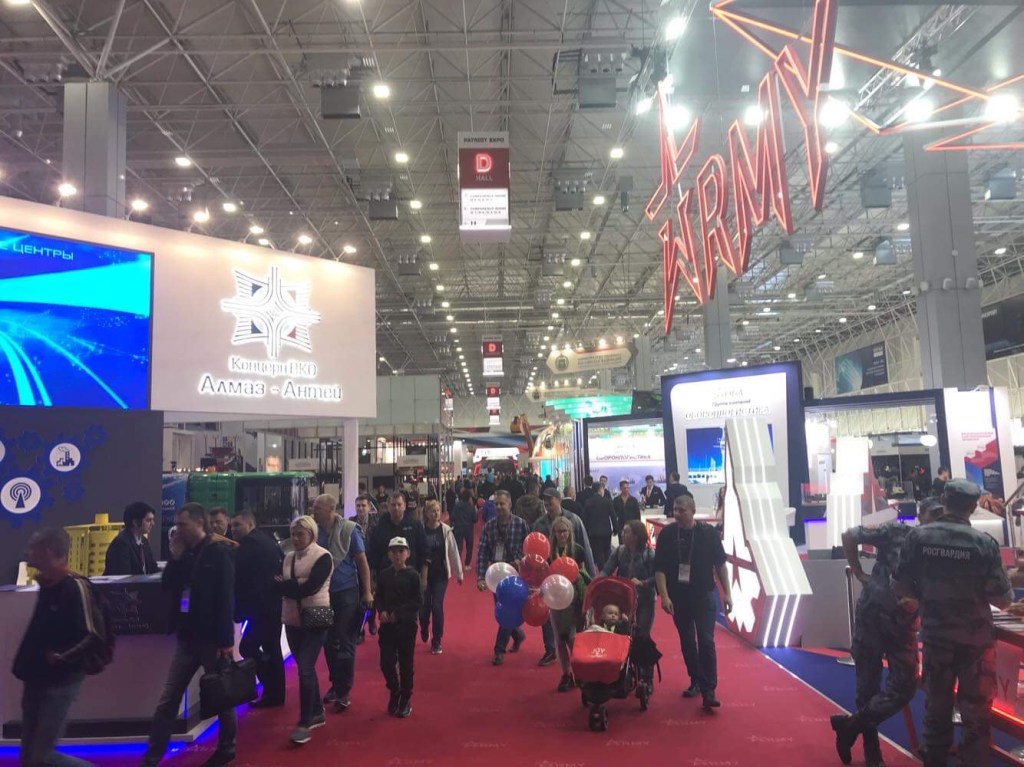
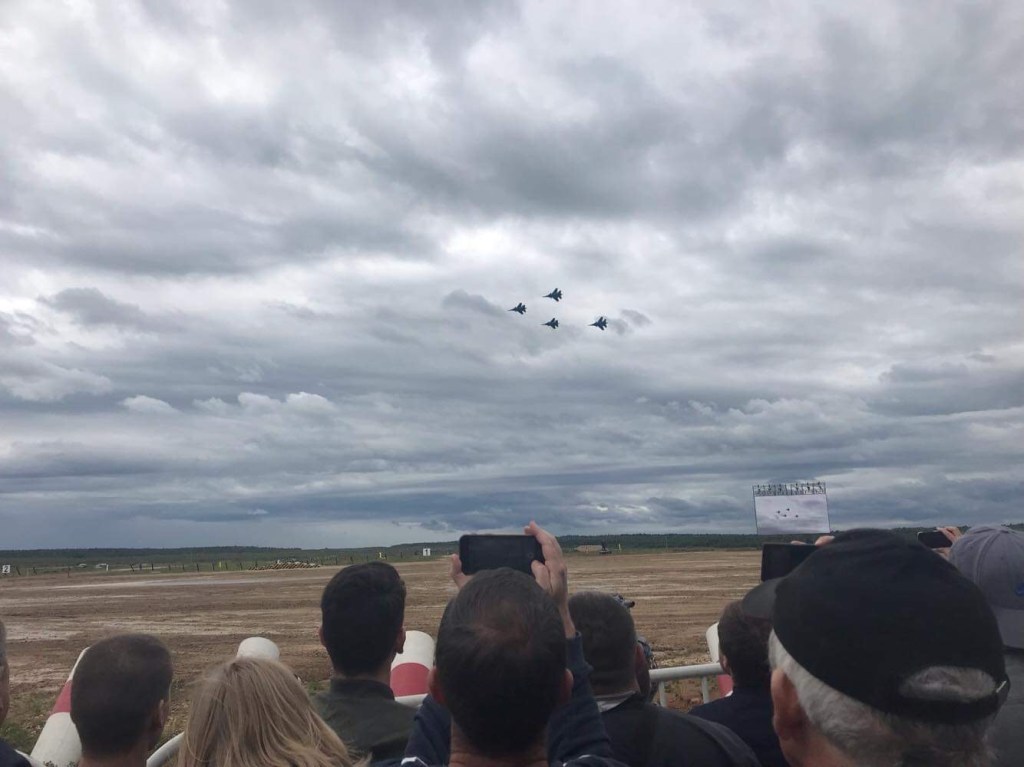
Last weekend, I went to the annual international Russian Army expo with some of my American classmates. It was so cool! There were live demonstrations of tanks, Russian flight teams, and other combat vehicles. I especially loved seeing the Sukhoi’s and MiG’s in action! In addition to the live demonstrations, there were acres of static displays, an exposition center with company booths, and even a live performance by the Russian Army orchestra. I don’t think we have an analog to the expo in America. The closet thing I can think of is the EAA airshow in Oshkosh, Wisconsin, but the Russian expo was entirely focused on military technology as opposed to civilian tech. It was neat to see how Russians show their patriotism and support of their military; just like many Americans are proud of our US military, Russians are also proud of their military! Lots of folks of all ages and backgrounds were in Army hats or T-shirt’s, and were excited to learn about the technology.

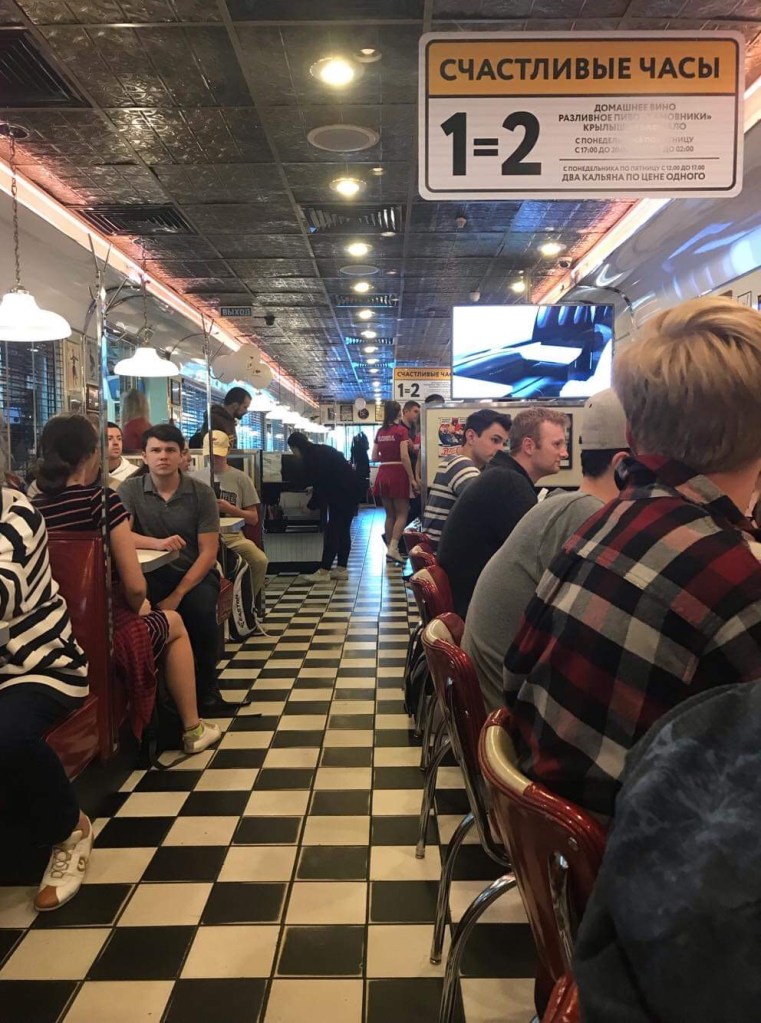
I missed the traditional American Fourth of July celebration this summer! It was a quiet Independence Day here in Moscow. Normally the US embassy hosts an event, but it is invitation only and we weren’t able to attend. So, instead, we all went to an American diner in the heart of Moscow. It felt just like going to a diner in the states, down to the checkered black and white floor tiles, red vinyl booths, and Elvis posters hanging on the walls. They served a pretty good burger, too!

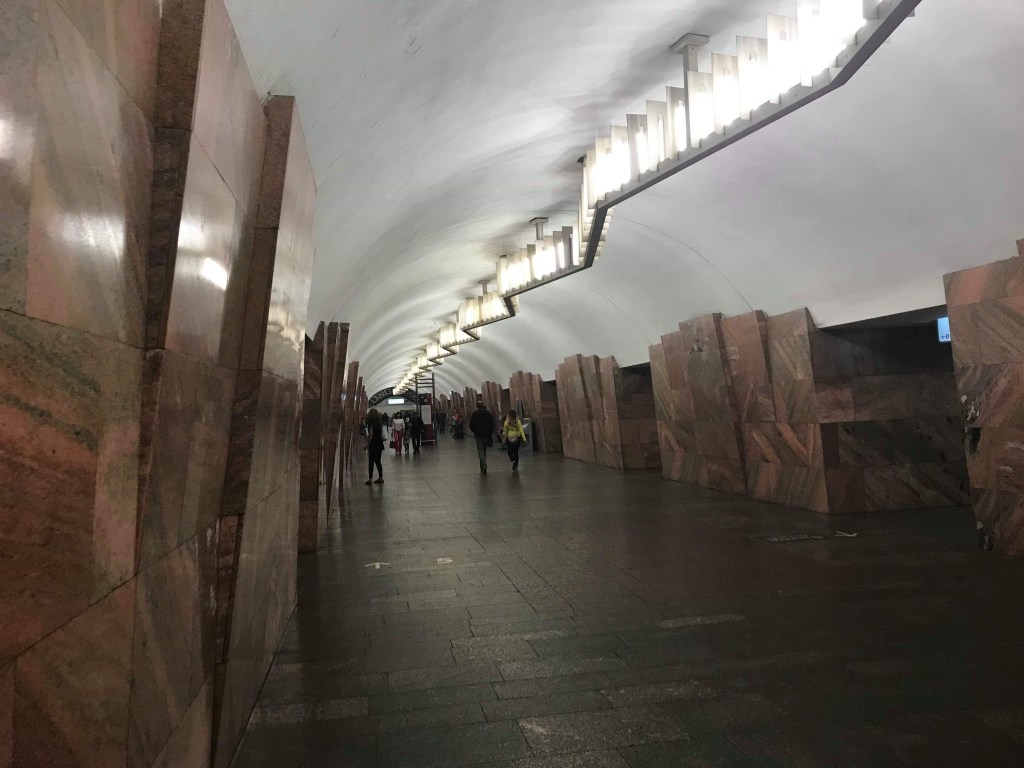
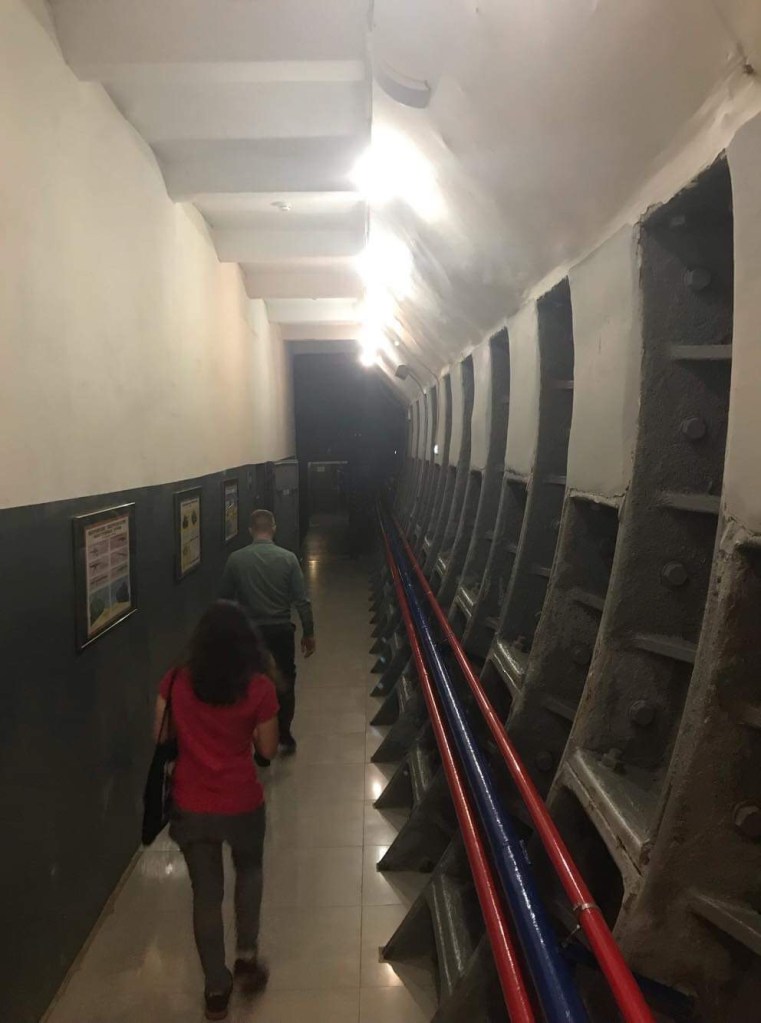
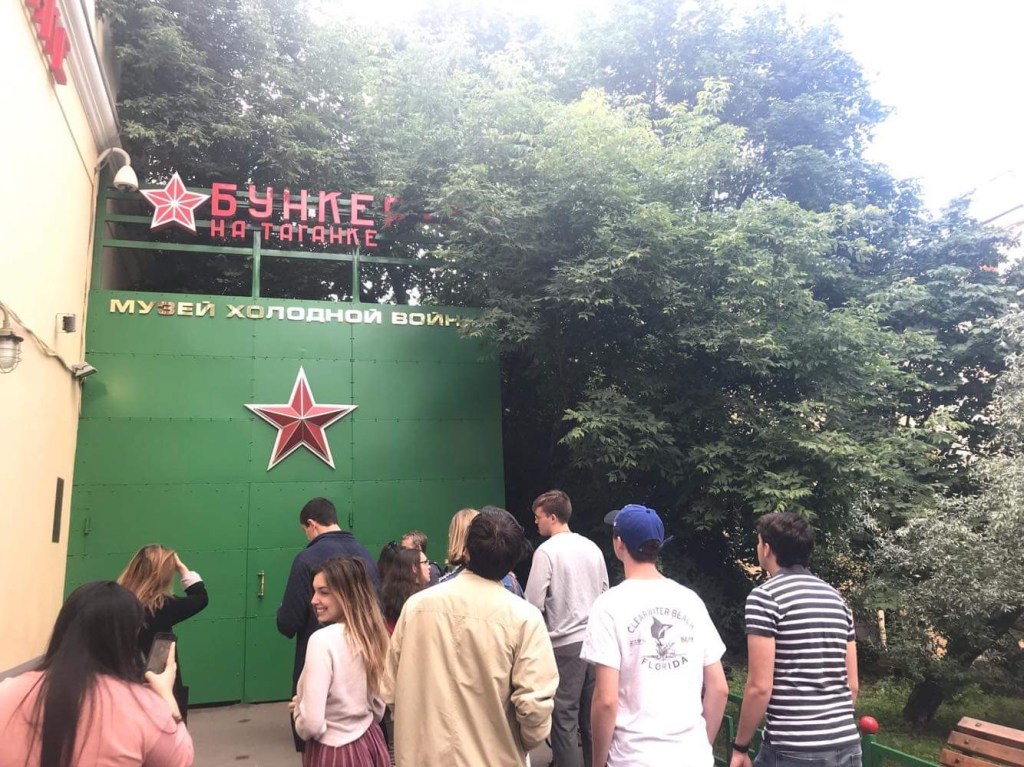
We finished the week with a trip to the Cold War Museum. Other than the Museum of Cosmonautics, I think it’s one of the coolest museums in Moscow so far. The museum was located in a real bunker from the Cold War – a chilling 65 meters (~213 feet) below ground! It was deeper than the Moscow metro, and we could actually hear the rumble of trains from underground as they passed through the nearby metro station. In addition to being highly interactive and engaging, I found the museum especially interesting in how it presented information. History can usually be seen through multiple perspectives, and it was neat to see the Russian view of the Cold War. The exhibits focused on Soviet technical feats, main events of the war, the bunker itself, and even the typical procedure for launching a warhead (that exhibit in particular was somber and unsettling). It was clear that the museum was trying to present information in a neutral manner. However, of course the perspective of the CCCP as “the good guys” and the US as “the bad guys” was still evident in word choices, descriptions of things like the Manhattan Project, and even the background music of a short documentary (Whenever American tech/weaponry was discussed, the music was dark and foreboding, like Carmina Burana. On the other hand, Russian tech/weaponry was accompanied by more triumphant big band music.) On a whole, I found the museum very cool and interesting from a historical and cultural perspective.
I’m excited to visit more museums here, and hopefully find some more aircraft and rockets around the city!

Do vstrecha! (Until next time!)

An airfield on the outskirts

Howdy from Moscow!

Each week is busier than the last, in the best way possible!

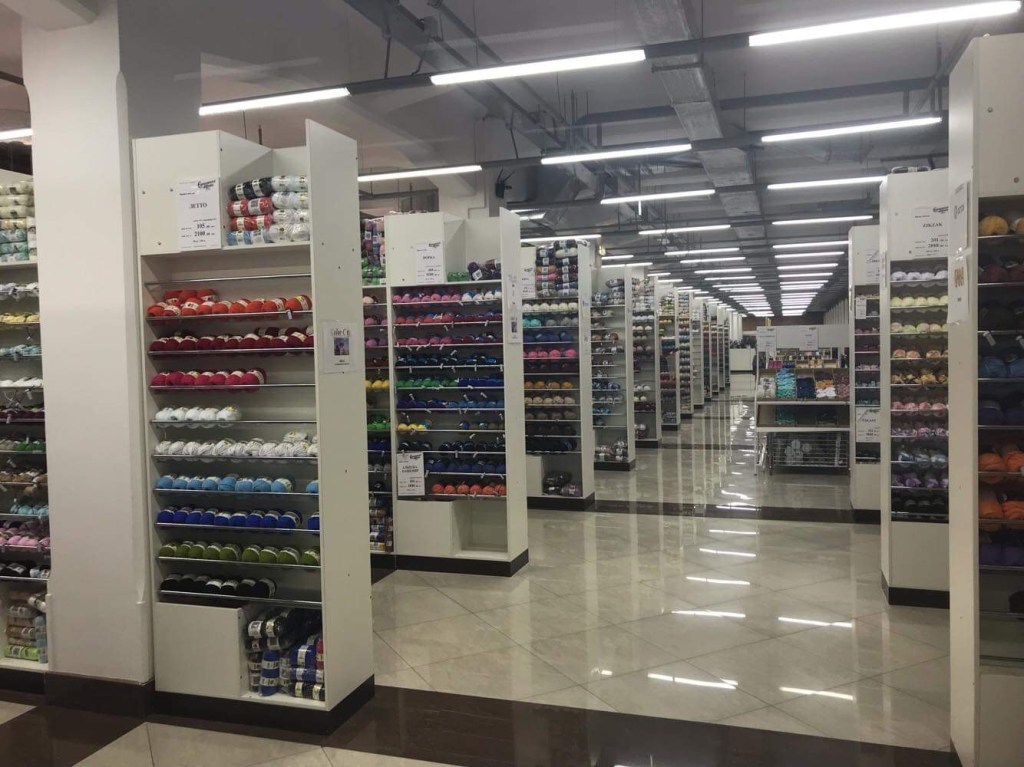
I started off by visiting a gigantic yarn store in northeast Moscow – rows upon rows of yarn. It was a crochet artist’s paradise! I found it interesting that most brands were Russian or European, I didn’t see any American brands that I recognized. We had also just discussed in class the verb “to sew” (шить sheet) and it’s many prefixes- just like in the English language, prefixes in Russian are used to tweak or specify the meaning of the word. For example, in Russian, перешить (peresheet) specifically means not just to sew, but to sew a new article of clothing from an older article of clothing.

This week, I also loved touring the MISHKA museum and chocolate factory – the home of such delicious chocolates as Red October and Alyonka. (Alyonka is my favorite chocolate, because the label features the daughter of a Soviet cosmonaut! Russian candies are well-known for their intricate and beautiful designs. This goes back to the Soviet times, when many artists found work designing chocolate labels.) The museum was very interactive, including life-size diaramas and a short 3D film. Then, we got to take a tour of the factory itself, and sample all sorts of delicious chocolates. I’ve never been inside a factory before, and loved looking at all of the machinery and equipment. Most of the factory was automated, and assisted and supervised by attendants.

I also had the very unique experience of buying someone flowers. It was my host mom’s birthday recently, and I decided to get her some flowers. There is a large culture surrounding flowers in Russia, and almost a science behind what type of flower and how many to give on any given occasion. Never, ever give someone an even number of flowers! Even numbers are reversed for funerals, and solemn occasions. One of my Russian friends from swing dancing accompanied me to the flower shop, and along with the shop owner helped me pick out the perfect bouquet based on my host mom’s age, and the occasion of her birthday.

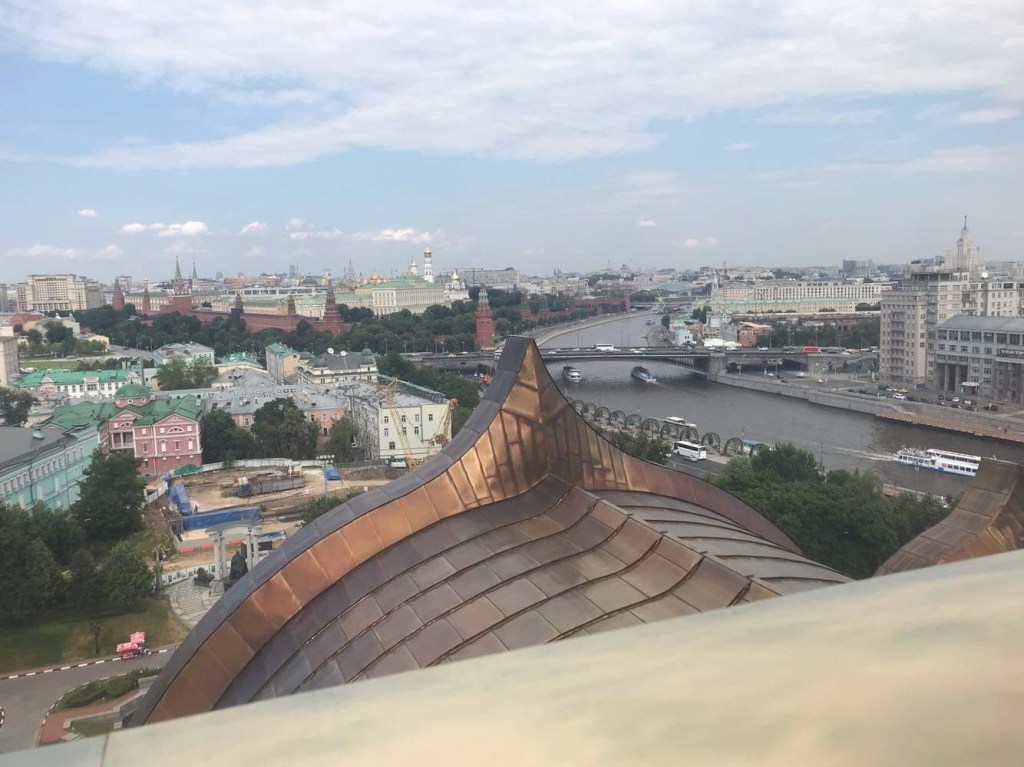
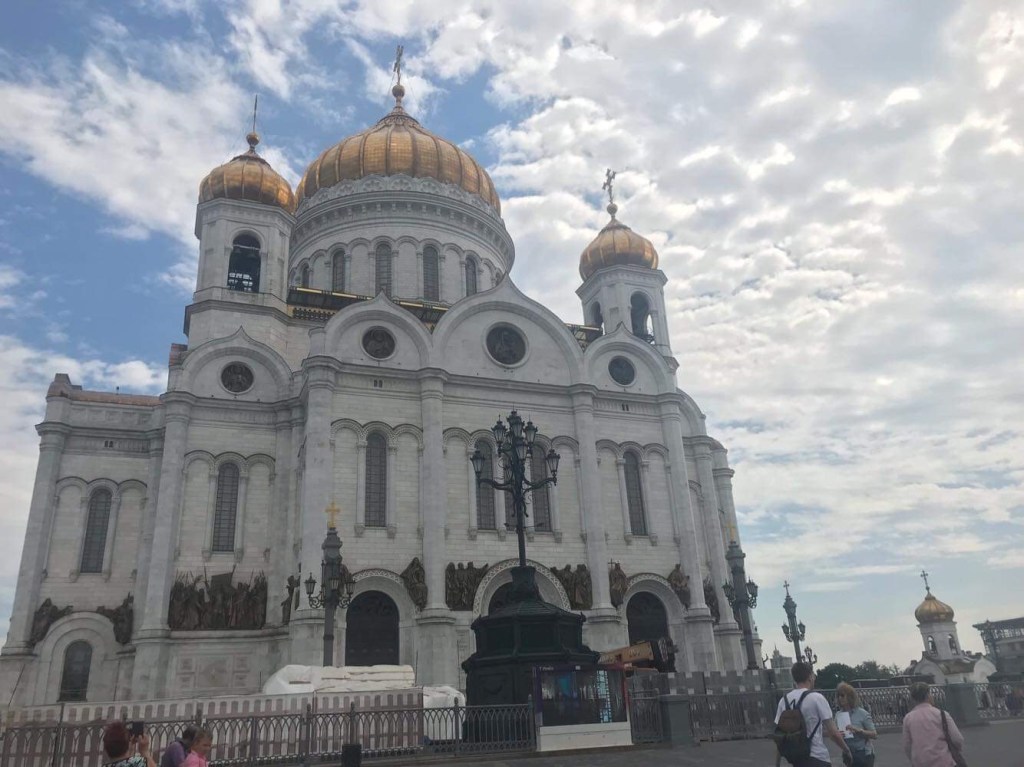
One of the linguistic highlights of my week was taking a tour of the beautiful Cathedral of Christ the Savior. The tour was given entirely in Russian, and I was able to follow along and glean meaningful information from the tour guide. Located in the heart of Moscow, the cathedral was erected in the 1800s to celebrate the retreat of Napoleon from Moscow. It took 50 years to build the cathedral, and another 17 year just to paint it! We got to see the main cathedral, the basement, as well as the balcony where the choir stands.

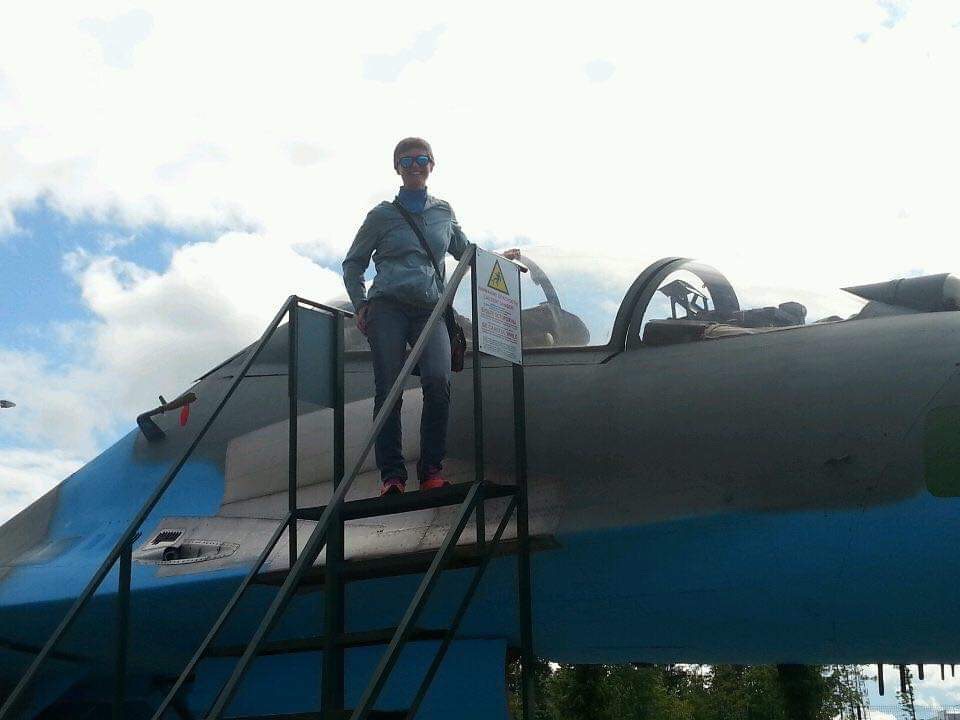
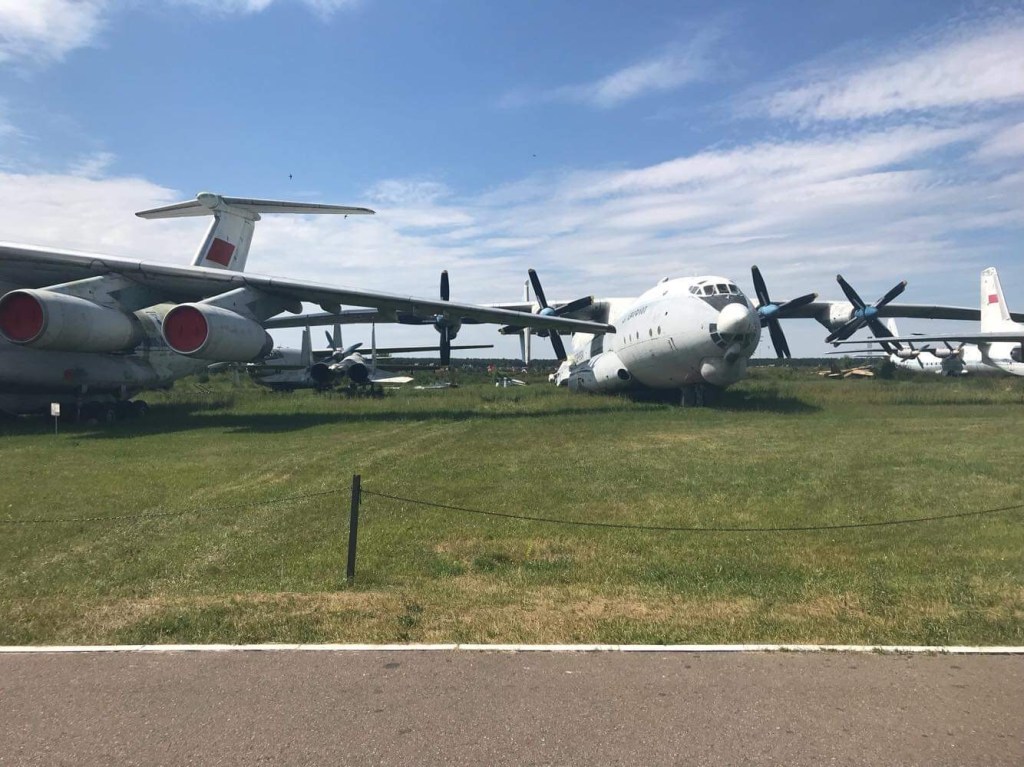
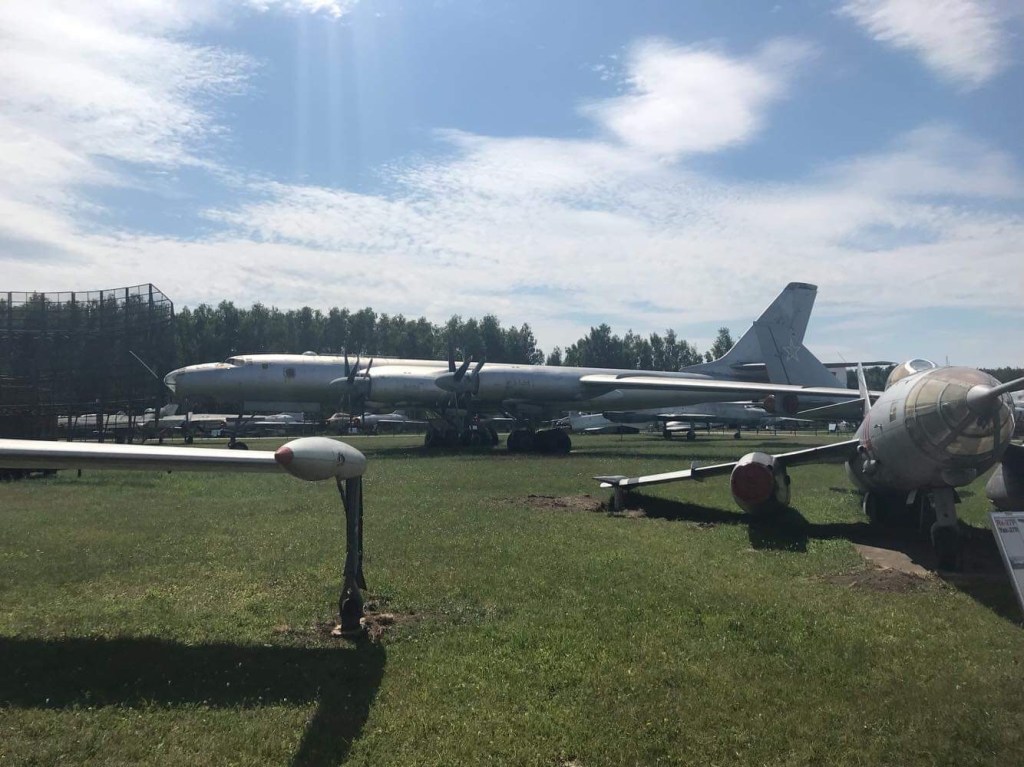
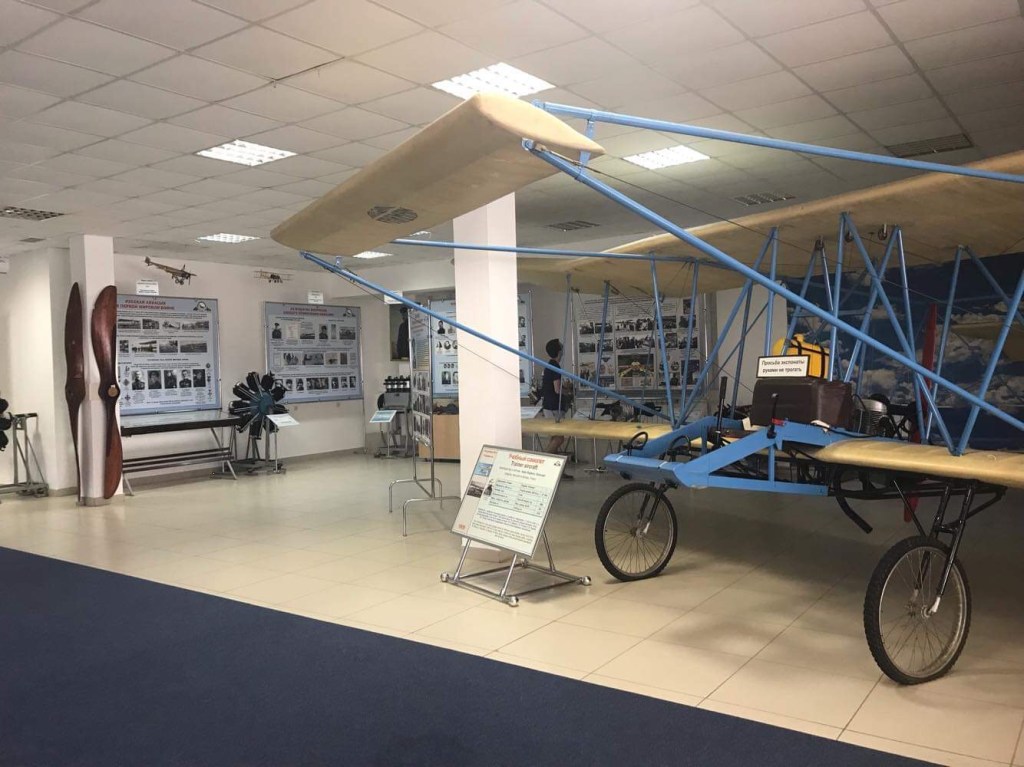
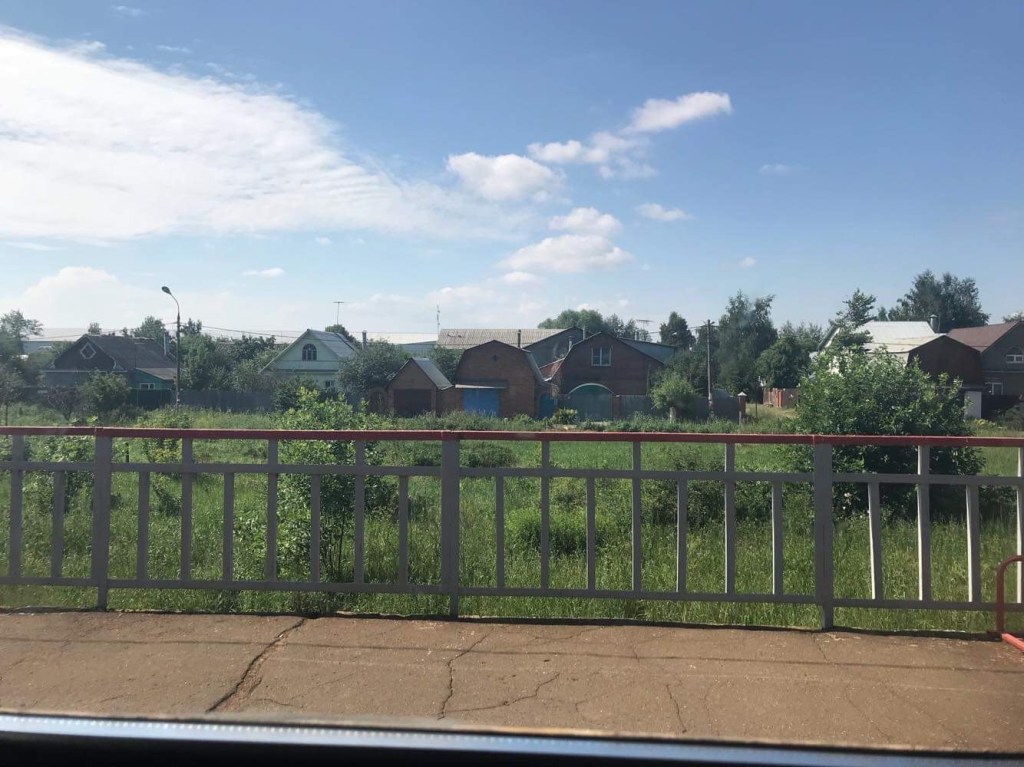
Perhaps my favorite excursion this week was to the Air Force museum in Monino. Monino is a small suburb of Moscow, about an hour train ride southeast of the city. The train ride was spectacular – while the seats were very bare bones, and there was no air conditioning, the ride was still very relaxing and almost put me to sleep! Add in the beautifully forested Russian countryside, and it’s simply picturesque. Monino itself was a beautiful town. It was more green and forested than suburbs or towns I’ve seen in the States. It seemed that folks there enjoyed a slow and comfortable pace of life. To get to the museum on foot, you had to take a short walk through the woods. The museum was a large building with an attached hangar, full of artifacts, photos, and old engines. But the most glorious part of the museum was the open air exhibit. It felt just like the air show in Oshkosh, Wisconsin! There were fighter jets, bombers, commercial airliners, and even some helicopters. Several of the planes looked similar to American classics like the B-29, DC-3, and (British) Concorde. Plaques by these aircraft explained that they were inspired by these international counterparts.

It was awesome to see how popular the museum was. There were many visiting families, and people of all ages. I especially loved seeing exhibits about the brave female pilots in the World War II (Great Patriotic War) era. This war was incredibly costly for Russia- nearly every family lost a loved one, and the war remains a source of both pride and sorrow for Russians to this day. In WWII, female pilots would fly dangerous night bombing missions, without lights on their aircraft!

However, I was a bit saddened to see the state of the aircraft in the outdoor part of the museum. These aircraft sit in a field year round, exposed to both the hot sunny summers and the treacherously cold Russian winters. Many aircraft were rusty, missing tires, or even wings! But, in spite of it all, it was clear that the airplanes were loved and appreciated by all!

Overcoming Two Left Feet

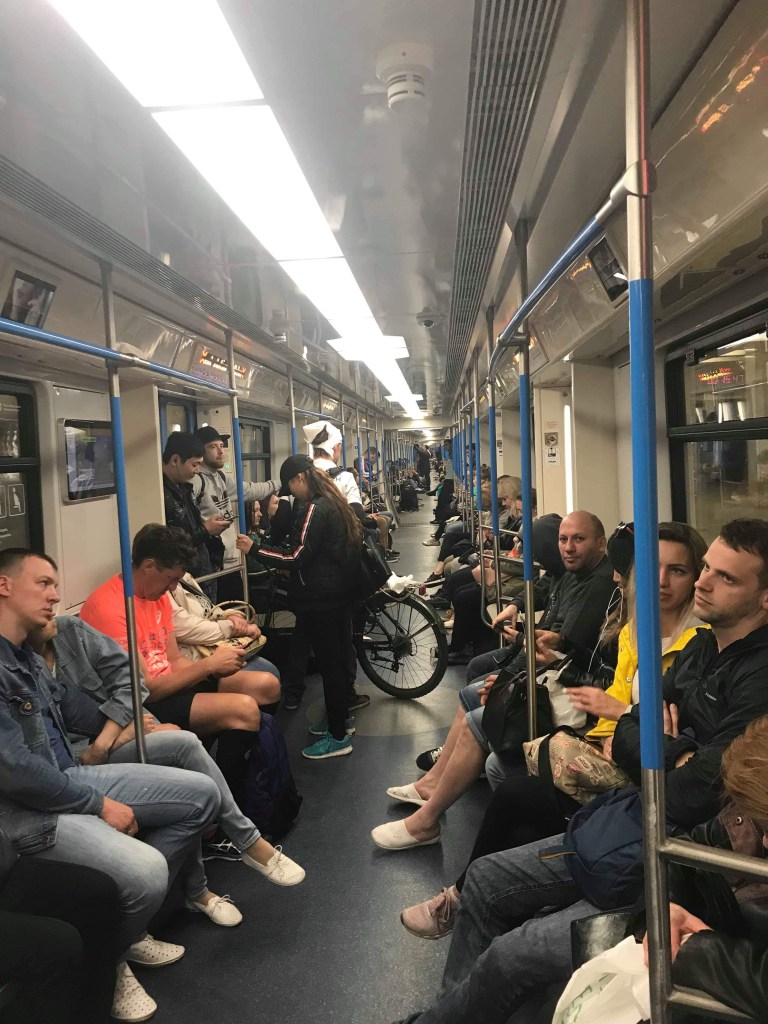
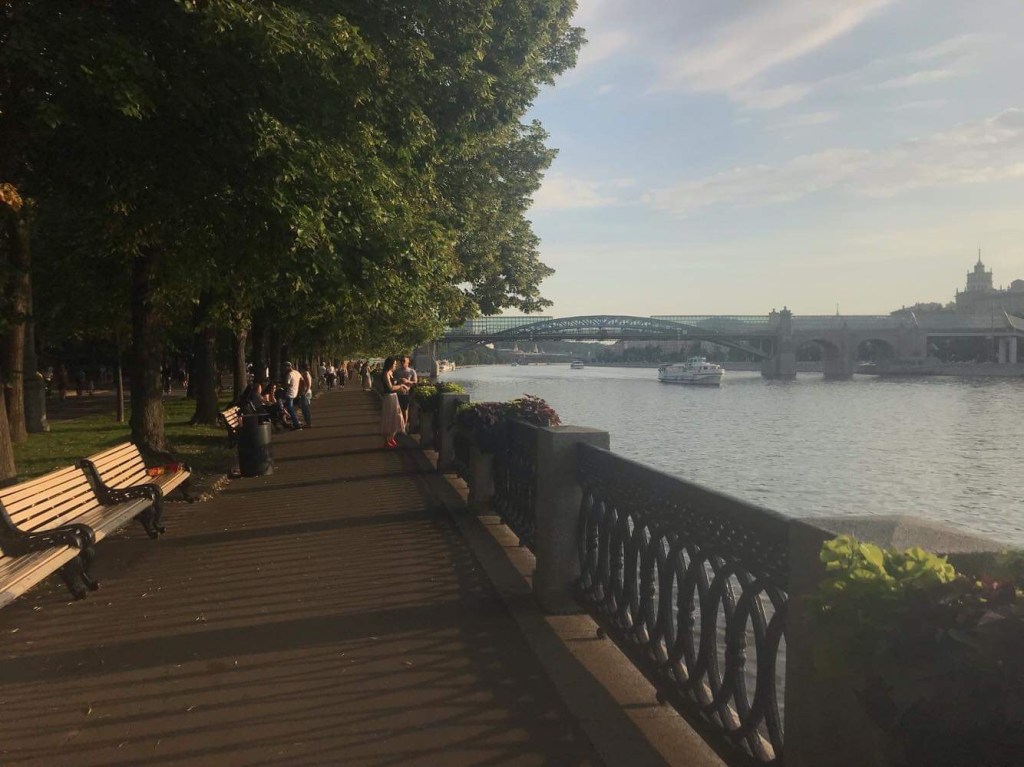
It’s been another amazing week here in Moscow! I’m feeling settled in, and have started to work out my daily routine with class, homework, and exploring the city. It’s been super busy, in no small part due to the long commutes in Moscow. Most students in our program have a 20-30 minute ride on the metro to the university each day. Including walking time, it takes me about an hour to get to class! Having always lived a 10-minute walk from campus, the commute has definitely been an adjustment for me. However, it has given me a great appreciation for the Moscow subway. It’s perhaps even bigger than the NYC metro, and trains come reliably every minute or two. It’s also super easy to navigate.

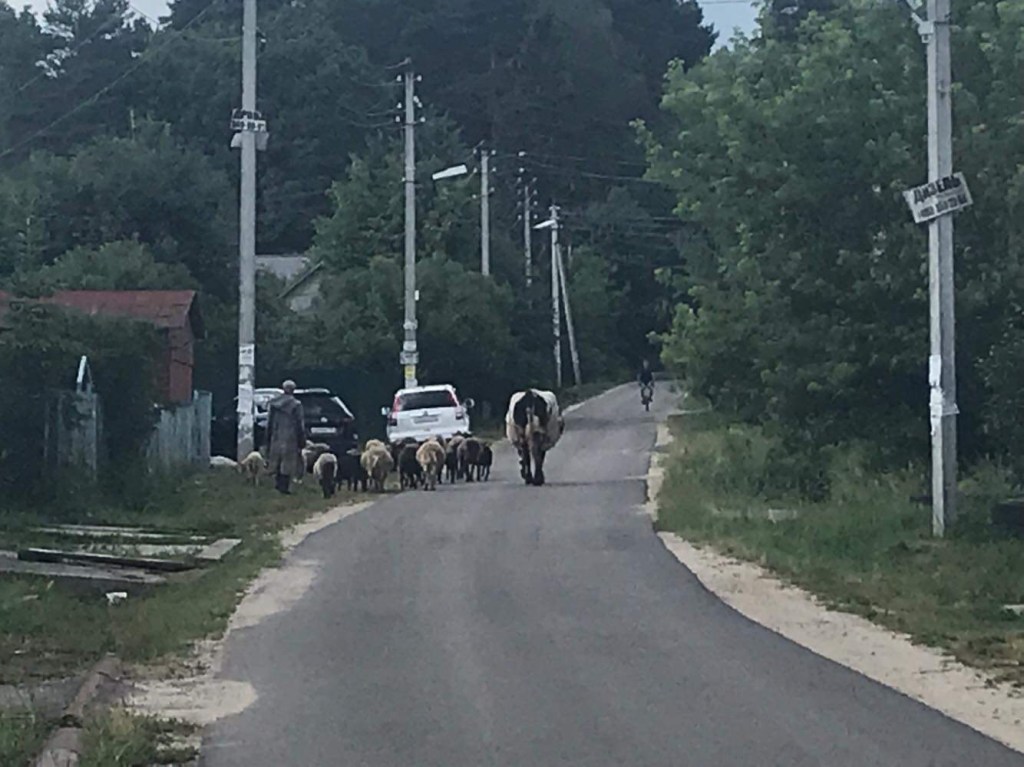
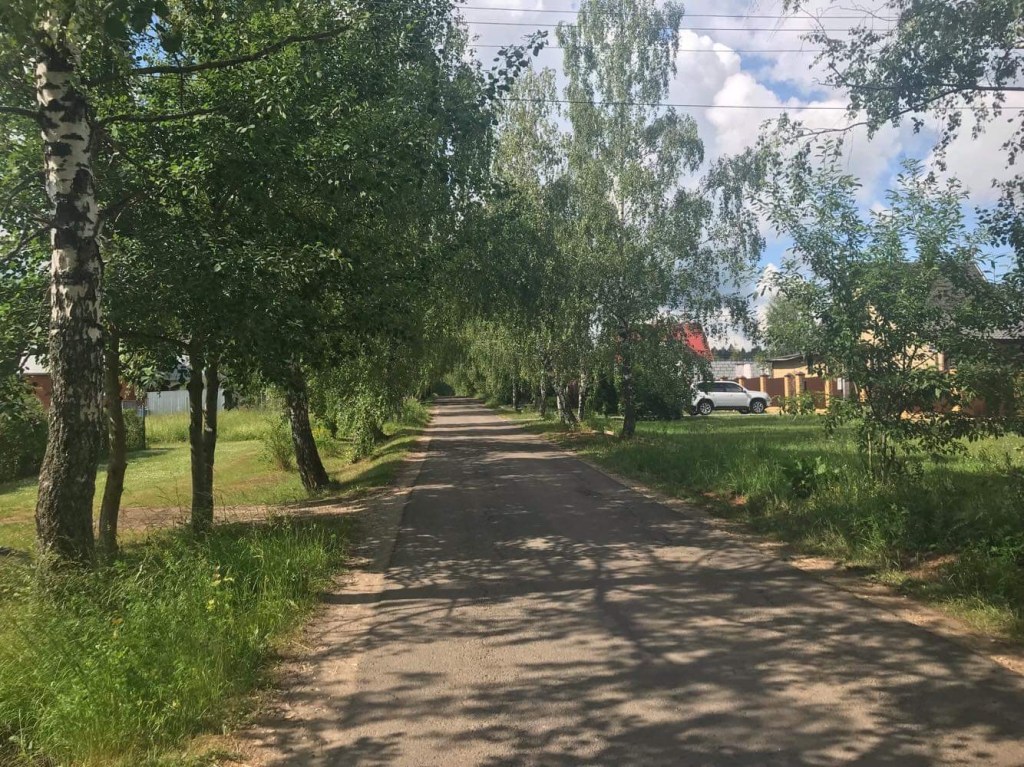
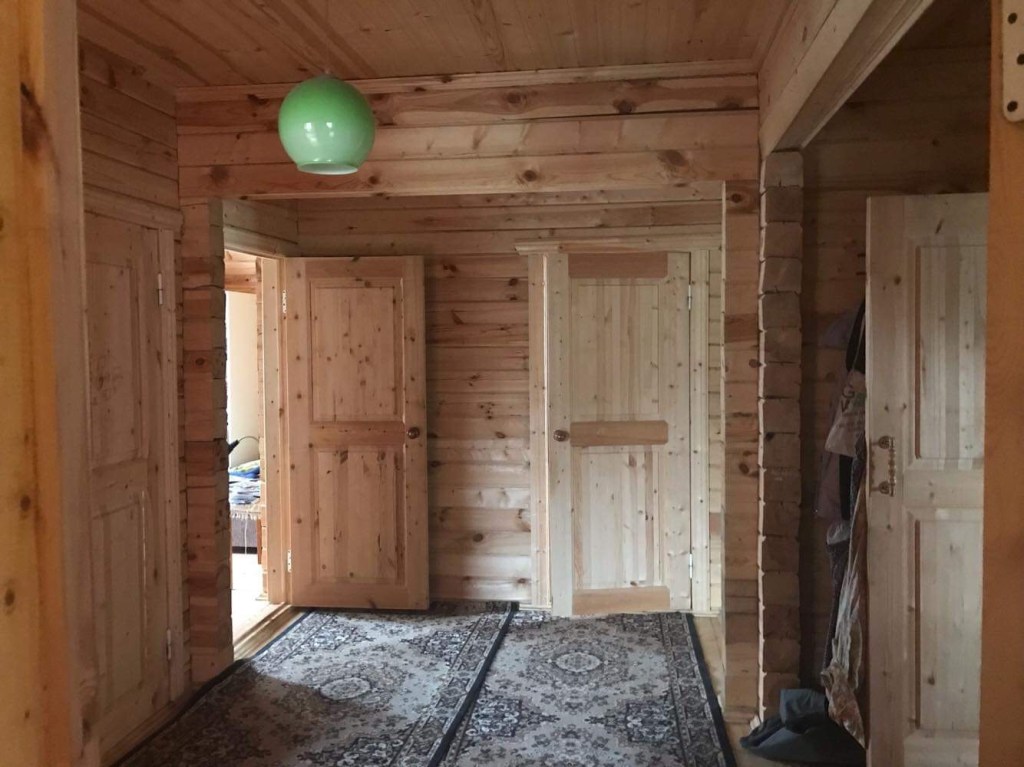
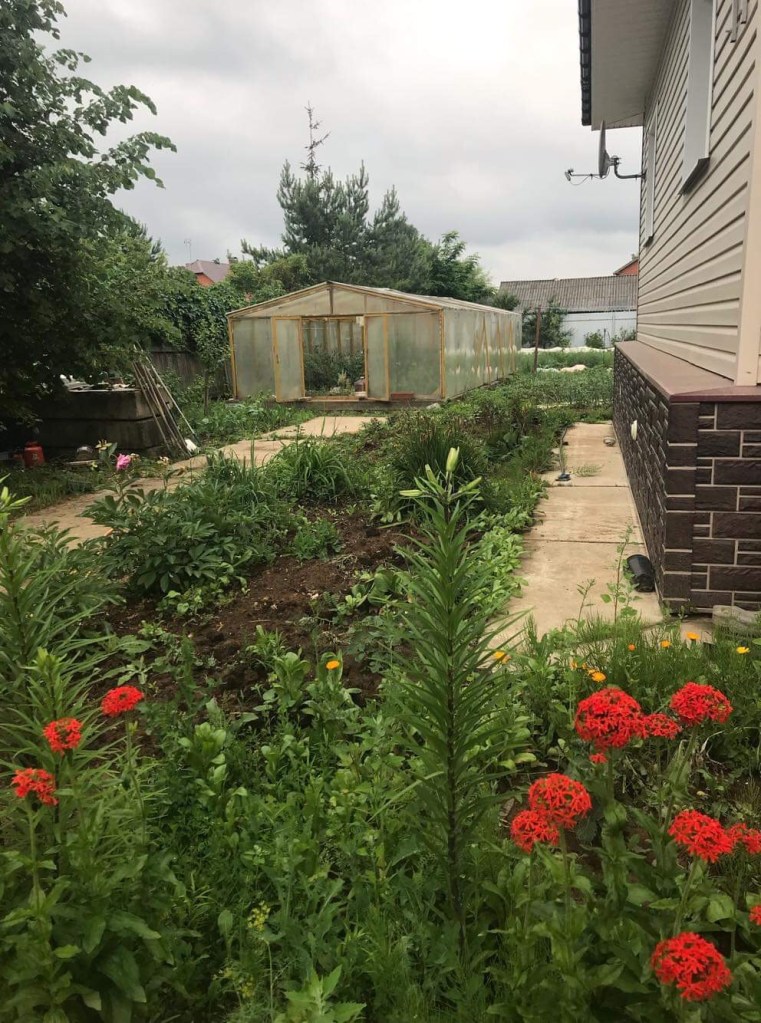
Last weekend, my host family and I went to their dacha to take a break from the Moscow commute. It was such a lovely time! My host mom’s mother lives at the dacha, and she had a beautiful garden. I think every dish she prepared was at least 50% produce that she grew herself, including strawberries, tomatoes, garlic, beans, potatoes, cucumbers, and dill. I learned that married folks usually refer to their parents-in-law not as “mom” or “dad” like I’m used to, but rather by their first name and pastronymic (the traditional polite form of address in Russia).

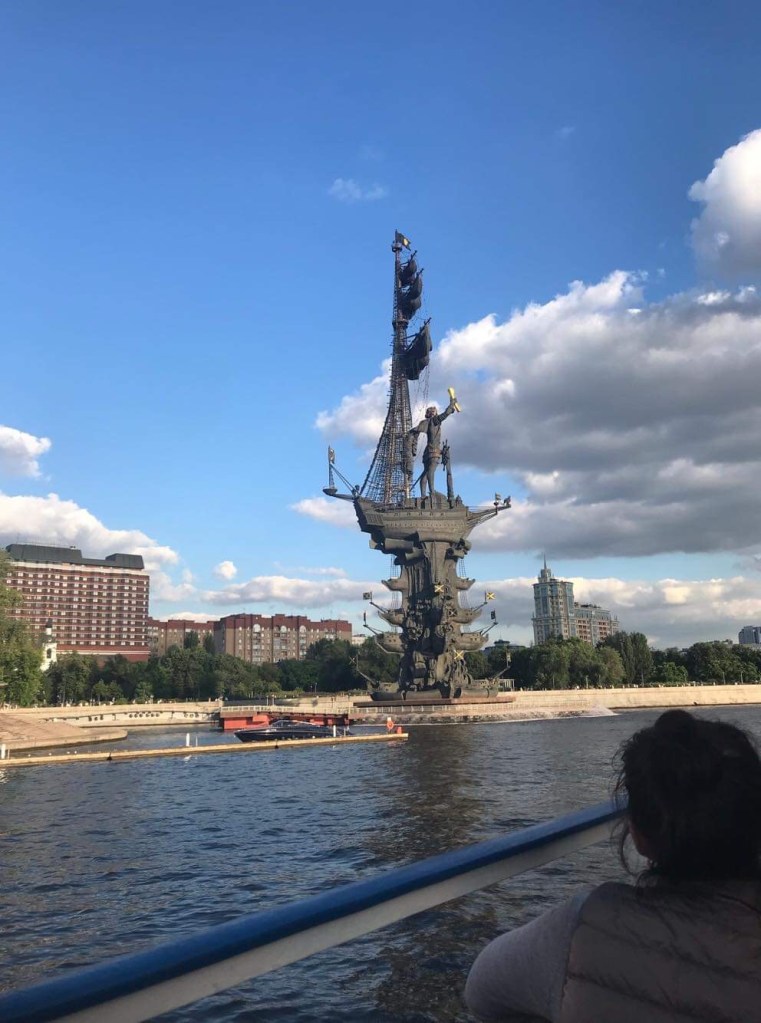
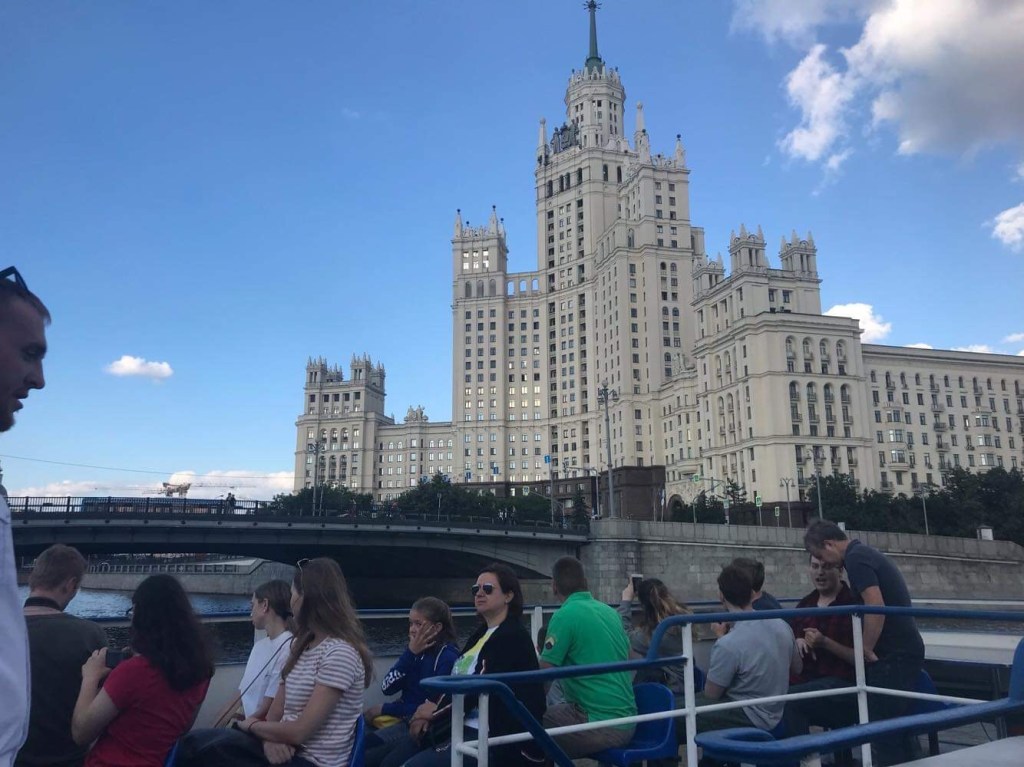
This week, I also really enjoyed going on a cruise on the Moscow River with my program. The views of the city were unbeatable, and the weather was perfect. I sat next to a couple of our resident director’s previous students (native Russian speakers), and I had the chance to practice my conversation skills. I was proud of myself because they thought I was one of the language tutors for the program at first!

But, as I’ve quickly learned, such is the nature of studying language immersively. One minute, I feel very confident and comfortable with Russian and can hold a solid conversation. The next minute, I can barely eek out a sentence! I’m learning to be patient with myself during these more frustrating moments, and take a moment to think before trying to speak.

I’ve also noticed (moreso than when I interact in English) how every person talks differently: some people talk very quickly and articulately, while others talk slower or quieter. Immersing myself in the language will really help my listening comprehension, because I am exposing myself to people with many different speaking styles.

After classes, I’ve been volunteering at the Museum of Cosmonautics, translating articles and exhibition descriptions into English. This is the museum that started it all! I first came to Russia and a Moscow when I was in high school for a “Space Olympiad,” and I remember being so inspired by the museum. It’s truly mind boggling to now be working behind the scenes to help other international enthusiasts enjoy the museum and experience the awe of space exploration. The office where I work is cozy and humble – an un-air conditioned room with nice windows, four or five desks, and equally many kind and passionate people! The walls are covered with space posters, books, memorabilia, and mementos. It reminds me a bit of my room at school…

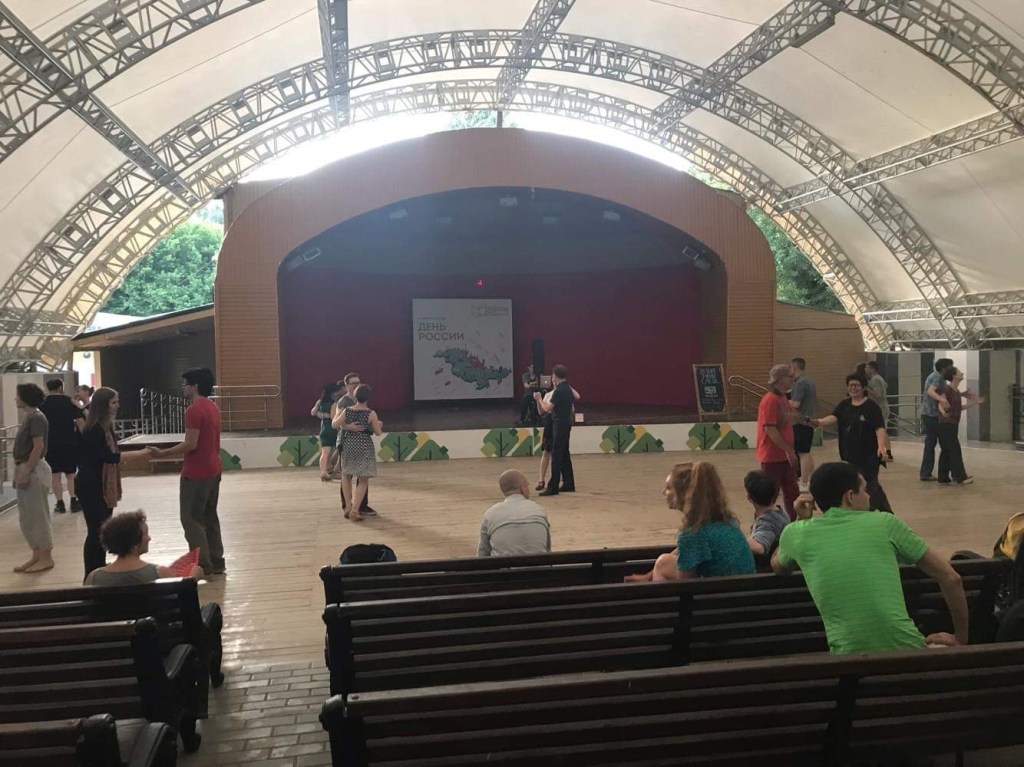
One evening, I went to a swing dance social in a park. I’ve been swing dancing for the past year in Ann Arbor, so I thought it’d be a great way to meet some Russian folks. I had a blast! Swing dancing (and dancing in general) seems to be pretty popular in Russia with people of all ages. I especially liked the social for several reasons. First, there’s no pressure to hold a conversation for very long (maybe 3-4 minutes), and it’s easy to find conversation topics (How long have you been dancing for? What’s your favorite style of dance? What type of music do you like?). Secondly, because I’ve been dancing in the states, a social dance is a place where I feel comfortable meeting new people. I typically feel very shy and like I have two left feet, but I know the basic “cultural steps” of a social dance, so I was able to meet and talk with folks successfully. Finally, dancing in Russia was a great language exercise. I had to think about what my feet were doing, while at the same time actually concentrating on what I was saying. My brain really had to multitask. I’m excited to keep dancing in the weeks to come!